
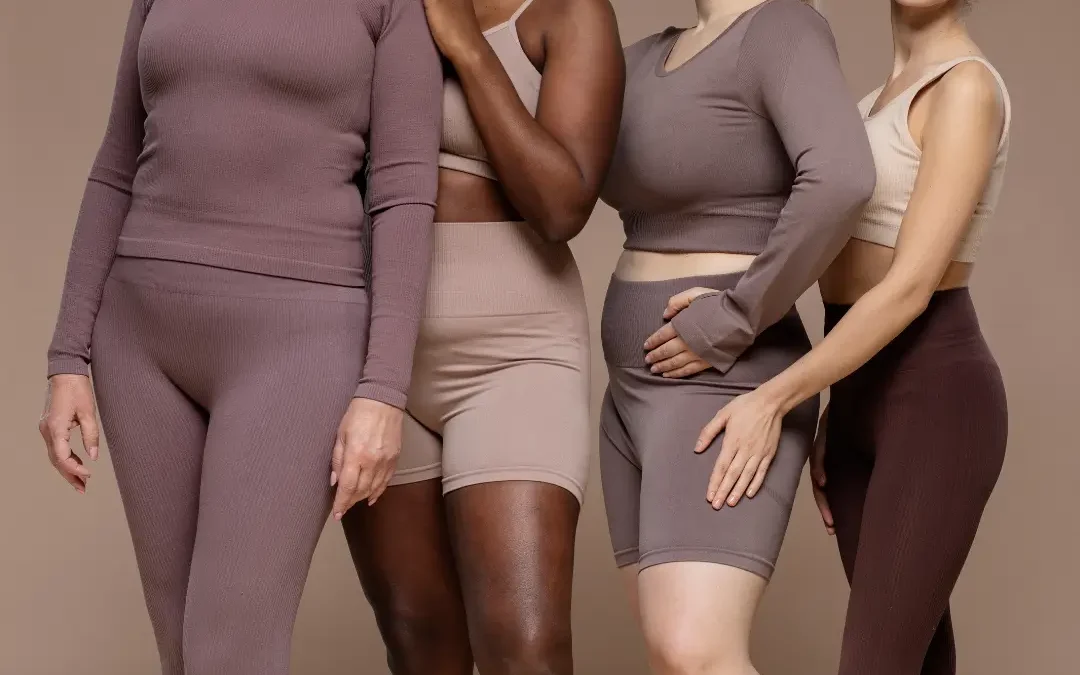
Compression garments do not physically shrink or tighten your loose skin. However, they are practical for managing skin laxity during recovery. Let’s learn more about compression garments and loose skin.
Loose Skin & Weight Loss Relationship
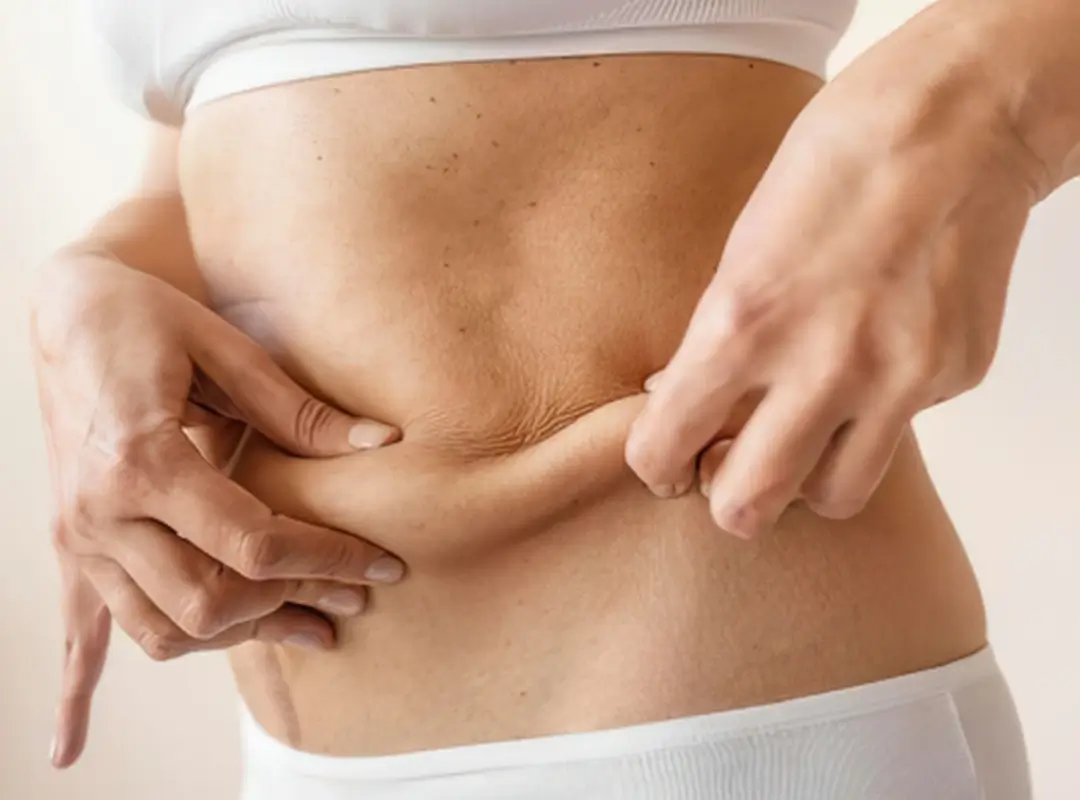
Many people experience loose skin after weight loss, particularly when a large amount of body fat has been lost. As your body gains excess weight, your skin stretches to accommodate the increase in size. When you begin to lose weight, your skin may not shrink at the same pace as your body.
The appearance of sagging skin depends on:
- Age
- Genetics
- Lifestyle habits
- Amount of weight lost
If you have carried extra pounds for years, you may notice more excess skin because your skin fibers have remained stretched for an extended time.
Another important factor is skin elasticity. Healthy skin contains collagen and elastin fibers that allow it to contract and stretch. When these fibers weaken, your skin’s ability to return to its original shape is reduced. This is why you may notice more saggy skin than others after similar weight changes.
How Compression Garments Work
Compression garments are pieces of clothing that apply gentle pressure to specific areas of your body. They are frequently used after surgical procedures and are also worn by some people after body transformations.
The purpose of compression clothing is to support underlying skin tissues and reduce swelling. Many plastic surgeons recommend that patients wear compression clothing after procedures to improve comfort during recovery. If you want to learn more about the role of compression after surgery, read our blog on why compression after plastic surgery is essential.
Discover expert care for loose skin and body contouring solutions with Dr. Jim Brantner, MD, in Johnson City, where advanced treatment options can restore your confidence after weight changes.
Can Compression Garments Permanently Tighten Skin?
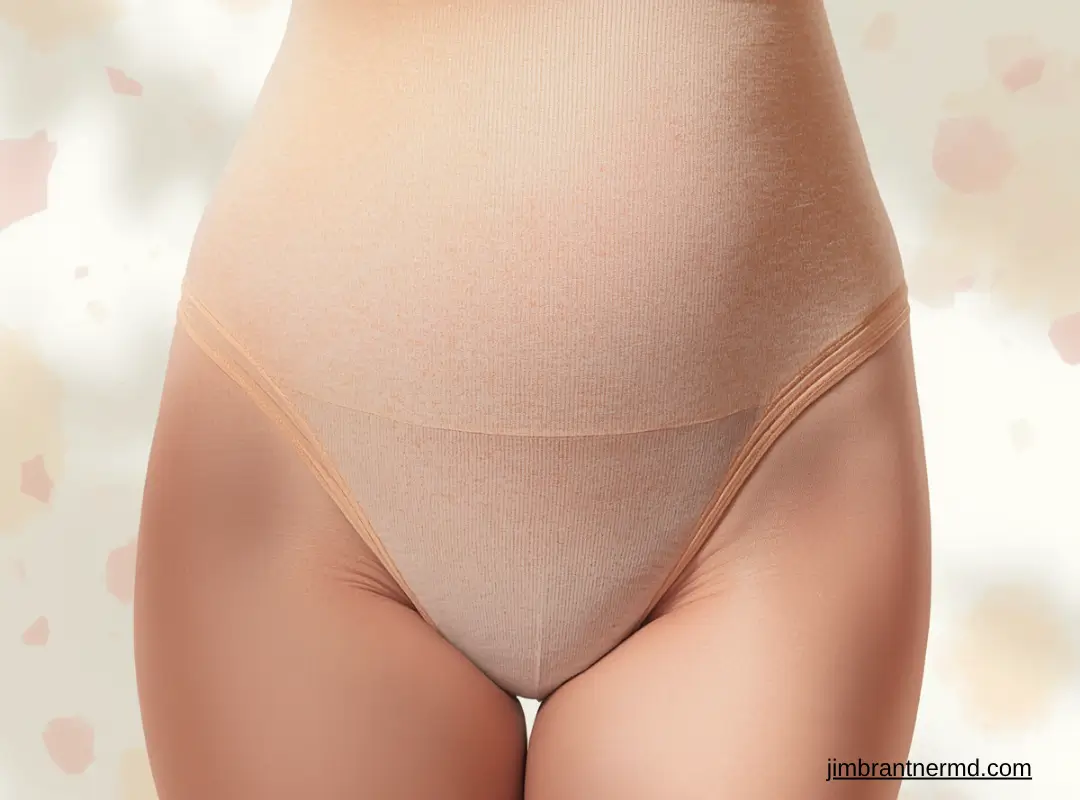
A common misconception is that prolonged use of compression garments can permanently tighten the skin. While the garments create pressure against your body, they do not rebuild damaged collagen or restore lost elasticity.
The skin elasticity of your body depends on the condition of collagen and elastin fibers. Once these fibers become stretched beyond their natural limits, external compression cannot reverse the process.
Compression can temporarily improve your appearance and support tissues, but it does not permanently correct severe sagging skin.
If you are looking to manage loose skin, you should understand that compression garments are supportive tools rather than corrective treatments. They can be useful as part of a broader approach, but they are not a substitute for procedures for skin tightening.
Find the right solution for sagging skin and body changes with Dr. Jim Brantner, MD, in Johnson City.
Skin Elasticity & Production of Collagen
One of the most important factors influencing skin elasticity is collagen production. Collagen is a protein that provides strength and structure to your skin. As you age, natural collagen levels gradually decline, which can make your skin thinner and less resilient.
Our body continuously creates collagen through a process known as “collagen synthesis”. Many factors influence this process such as our lifestyle choices, nutrition, and hydration can influence this process. While these factors cannot erase large amounts of excess skin, they can contribute to healthier skin function.
Maintaining well-hydrated skin may improve the appearance and texture of your skin. Consuming adequate protein also supports the natural collagen synthesis processes of your body because collagen is built from amino acids obtained through diet.
Although increasing collagen production cannot completely reverse severe skin laxity, it remains an important component of maintaining good skin health.
Why Some People Experience More Sagging Skin
The amount of sagging skin that develops after weight loss varies considerably from person to person. One main factor is the amount of weight lost. If you lose a substantial amount of body weight, you will generally experience greater skin laxity because your skin has stretched significantly.
Another factor is the length of time a person has carried excess weight. Skin that has been stretched for many years may have a reduced capacity to retract after fat loss. Age can further influence results because collagen levels naturally decline as people get older.
The composition of your body is another consideration. Increasing muscle mass can improve body contours and create a firmer appearance beneath your skin. Although building muscle mass does not eliminate excess skin, it may reduce the appearance of mild skin laxity in some areas.
The combination of lifestyle habits, age, genetics, and fat mass distribution generally determines how noticeable saggy skin becomes following body changes.
Some Great Ways to Manage Loose Skin
If you are looking to manage loose skin, you can explore several approaches before considering surgery. Compression garments are one option, but they are rarely the only strategy used.
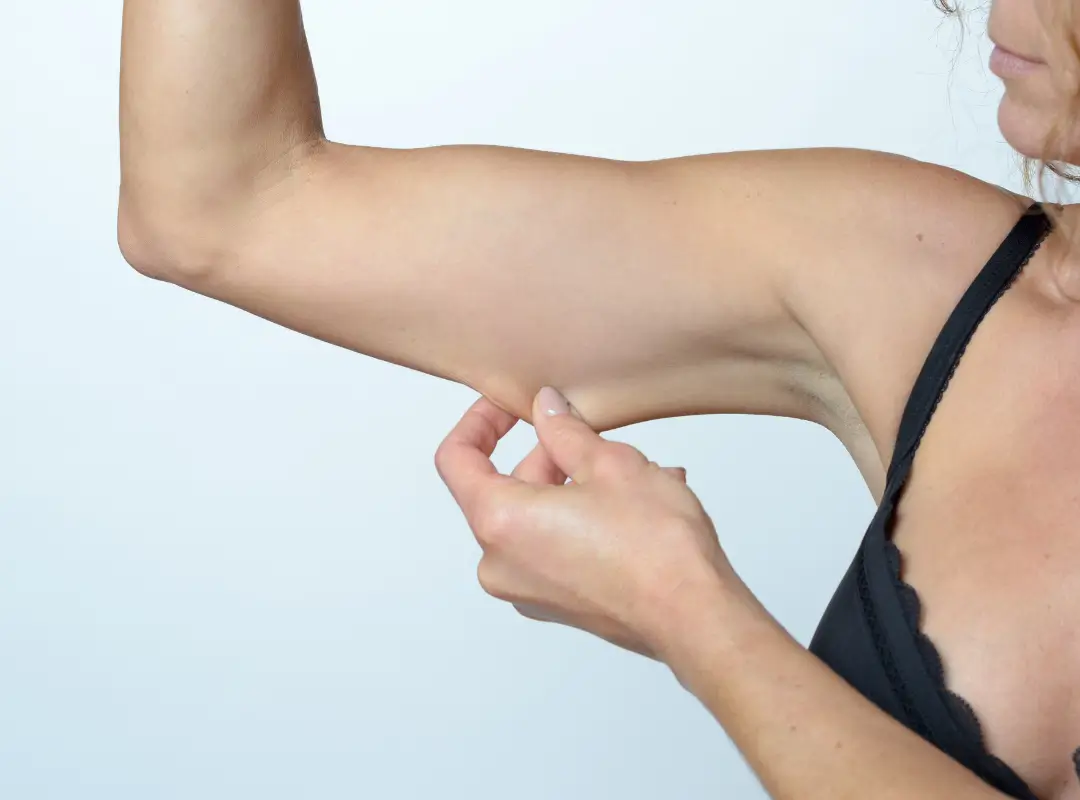
Areas such as your upper arms can be especially prone to sagging skin after major weight changes. If this is a concern, visit our blog on excess arm skin and saggy upper arms for additional information.
The Role of Plastic & Reconstructive Surgery
For people with significant amounts of loose skin, plastic surgery may provide a solution that is more direct. Surgical procedures can physically remove excess skin, creating contours that are difficult to achieve through non-surgical methods.
Let’s start with “tummy tuck,” which is among the most common procedures performed after major weight loss. During this procedure, excess abdominal tissue is removed, and the abdominal area is reshaped. Other procedures may target the thighs, back, arms, or lower body.
Many of these procedures fall under the category of plastic and reconstructive surgery, particularly when they address functional concerns associated with excess tissue. If you are someone who experiences irritation, discomfort, or mobility issues due to loose skin, you can explore these options.
Unlike compression garments, surgical procedures create permanent structural changes by removing unwanted tissue rather than temporarily compressing it.
Body Contouring Surgery After Weight Loss
Those who have undergone weight loss can explore body contouring surgery to fix their lingering excess skin. These procedures can reshape your body and improve proportions after dramatic changes in weight. Common treatment areas include:
- Abdomen
- Thighs
- Buttocks
- Hips
- Upper arms
By removing excess tissue, plastic surgeons can create contours that more closely reflect a patient’s new body shape. If you are experiencing substantial amounts of excess skin around your abdomen, hips, buttocks, and thighs after significant weight loss, you may benefit from learning about a lower body lift as a surgical solution for excess skin, a procedure commonly included in advanced body contouring surgery plans.
Conclusion
So, can compression garments help loose skin? They can provide support and create a firmer appearance while being worn. However, they do not:
- Permanently tighten skin
- Restore lost skin elasticity
- Eliminate excess skin
Call Jim Brantner, MD, for Skin Tightening Solutions
If loose skin, saggy skin, or excess skin is affecting your confidence after weight loss, Dr. Jim Brantner, MD, offers advanced treatment options in Johnson City, Tennessee. Depending on your goals, procedures such as Mommy Makeover, Liposuction, Tummy Tuck, Upper Arm Contouring, Thigh Lifts, Facelifts, Neck Lift, Morpheus, SculpSure®, Tetra CO2, and Body Contouring may be considered to improve body contours and address skin laxity.
Call us now and book your consultation.
Frequently Asked Questions
Does compression tighten loose skin?
No, compression garments do not permanently tighten your loose skin. They only provide you with temporary support and can make your sagging skin appear more held in while you are wearing them.
What is the fastest way to tighten loose skin?
The fastest change depends on how much excess skin you have. Mild cases may improve with strength training and building muscle mass, while larger amounts of loose skin require plastic surgery or body contouring surgery for visible change.
What to wear to help with loose skin?
You can wear compression clothing such as binders, leggings, or shaping garments. These support skin tissues and reduce the movement of saggy skin, but they do not permanently change your skin elasticity or remove excess skin.
How many hours a day should I wear compression?
The duration depends on your situation, especially after plastic surgery or body contouring surgery. Many people wear compression garments most of the day and only remove them for short breaks or bathing, based on medical advice.
Can compression garments be used after weight loss?
Yes, compression garments are commonly used after weight loss to support the body and manage the appearance of loose skin. However, they do not restore skin elasticity or remove excess skin. For more guidance on loose skin treatment options, you can consult Dr. Jim Brantner, MD, in Johnson City.