Contact Us

Body Procedures

We’ve all been there. Trying diet after diet, exercise fad after exercise fad, only to end up with lackluster results and a body we’re still not entirely happy with. Don’t worry, you’re not alone. Sometimes our bodies just don’t react the way we want them to.

When diet and exercise fail, cosmetic plastic surgery procedures might be the answer you’ve been looking for. Our expert team of board certified plastic surgeons can shape, mold and craft your body into the form you’ve always desired.

Types of Cosmetic Body Procedures we Specialize in Include:

Call us today to Learn More!

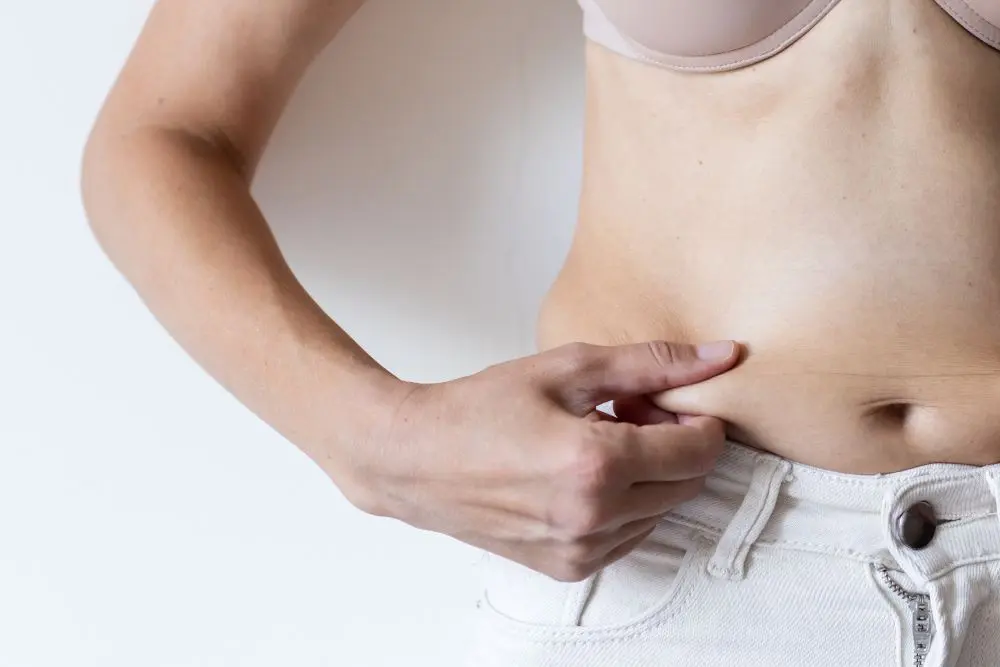
We’ve all dreamed of washboard abs, a thinner waist or thighs that don’t jiggle at one point or another. We offer a wide range of both surgical and non-surgical treatments to help carve out the body and image you’ve always wanted. Whether you’re looking to trim a little fat with some lipo, get a quick tummy tuck to tighten up that midsection, or need something to help out with those problem areas around your arms, thighs or buttocks, we’re here to help!

Regain your youthful, energetic appearance and boost your self-confidence today!

Please contact us today at (423) 328-9000 to set up an appointment for a consultation with a cosmetic​ surgeon from our team.

Liposuction

Liposuction, also known as lipo for short, or lipoplasty, liposculpture and lipectomy is a minimally invasive cosmetic surgery used to remove localized areas of fat. Typical areas treated include those “stubborn” body parts where the fat just won’t go away: upper and backs of arms, thighs, lower back, buttocks, neck, chin and abdomen.

Benefits of Liposuction Include:

  • Safe and minimally invasive removal of fat
  • Reduction or elimination of cellulite
  • Improved health associated with fat loss
  • Boost in self esteem
  • Improved proportioning and sculpting

Eliminating excess fat is hard, and often diet and exercise aren’t enough. Stop worrying about your body fat, and schedule a consultation with Dr. Brantner to help you to determine if liposuction lift is right for you.


Tummy Tuck (Abdominoplasty)

An abdominoplasty, otherwise known as a “tummy tuck” is a common cosmetic procedure that is used to remove loose skin and fat, and to tighten the musculature of the abdomen so that it appears both flattened and toned.

Dr Brantner is an expert at performing this procedure, having produced excellent results for countless patients over the years.

Give us a call today and experience benefits such as:

  • Improved tone
  • Flattening of your stomach
  • Improved posture
  • Boost in self-confidence and self-esteem
  • Ventral Hernia Correction
  • Reduction of Stress Urinary Incontinence

Stop worrying about the appearance of your tummy and schedule a consultation with Dr. Brantner to help you to determine if a tummy tuck is right for you.

Arm Lift (Brachioplasty)

Are you experiencing the excess fat and flab we all get around our upper arms as we age? Then a brachioplasty might be right for you. An arm lift (brachioplasty) removes the excess skin and fat from your upper arms, giving them a slimmer, tighter and toned appearance.

Benefits include:

  • Improved shape and tone
  • Removal of unwanted skin & fat
  • Improved contouring
  • Improved confidence
  • Better fitting clothing options

Stop worrying about the appearance of your arms and schedule a consultation with Dr. Brantner to help you to determine if an arm lift is right for you.

Thigh Lift

Unsightly and uncomfortable, for many of us, our thighs become an increasingly problematic area as we grow older. And with this area of our bodies being particularly resistant to diet and exercise, a thigh lift might be a good option to consider.

Benefits of thigh lifts include:

  • Improved contouring & shaping
  • Improved proportioning to your body type
  • Reduced discomfort from rubbing and chaffing
  • Enhanced appearance and confidence

Stop worrying about the appearance of your thighs and upper legs and schedule a consultation with Dr. Brantner to help you to determine if a thigh lift is right for you.

Labiaplasty / Vaginal Rejuvenation

This non-surgical procedure, labiaplasty (vaginal rejuvenation), is a life-changing procedure for women around the world. Vaginal rejuvenation procedures remove excess tissue, helping women feel comfortable with their vaginal appearance. Reduction of the outer lips of the vagina also reduces irritation and discomfort.

Benefits of a Labiaplasty include:

  • Symmetry of anatomy
  • Improved shape and appearance
  • Reduced size and prominence of outer lips
  • Reduced discomfort and irritation

Restore comfort when wearing tight clothing

Thermiva Vaginal Tightening & Rejuvenation

Both age and childbearing can be hard on a woman’s body. One of the most common changes is loosening of vaginal tissues. Excessive relaxation of these tissues can diminish sensation during intercourse, cause urinary stress incontinence and more. Thermiva vaginal tightening and rejuvenation is a safe, effective and non-surgical treatment that can help.

Benefits of Thermiva vaginal tightening and rejuvenation include:

  • Restore natural vaginal lubrication
  • Enhance orgasm and alleviate pain during intercourse
  • Improve your sex life
  • Restore comfort when wearing tight clothing

  • Reduce or eliminate stress urinary incontinence
  • Improved self-confidence and well being

YOU MIGHT BE INTERESTED IN

What Our Paients Are Saying About Us..

testimonials

I went to Dr Brantner for reconstruction revision. I'm very, very pleased with the results. The staff were wonderful. I can't thank them enough for taking care of my surgery and making me feel and look so much better!!! I would highly recommend Dr Brantner.

M. Campbell

Great surgeon! Every employee in the office is wonderful and helpful. I have nothing but great things to say about Dr Brantner, Win, and all of the staff.

S. Steffey

Talk to us

Tummy tucks, also called abdominoplasty, are generally linked to cosmetic surgery; nevertheless, they provide numerous medical benefits that go further than just enhancing appearance. Besides being associated with improving the abdominal contours, this procedure comes with other vital health advantages. The following passage will explore four medical benefits of a tummy tuck.

Improved Abdominal Muscle Function

The improvement of the abdominal muscle function following a tummy tuck surgery is one notable medical benefit. This procedure is useful in addressing weak abdominal muscles resulting from rapid weight loss or past abdominal weakness.

A tummy tuck not only assists in attaining a stronger and more attractive belly but also gives better flexibility to the stomach muscles. With this improvement, the body gets a much better posture and less painful tension in weak muscles.

Reduced Stress Urinary Incontinence

Though this might be a lesser-known medical benefit, it is still worth noting that tummy tuck surgery may assist in reducing SUI. Post-abdominoplasty can help resolve the condition known as SUI, which is related to weakened stomach muscles or bladder pressure and mostly affects women.

Tummy tuck surgery does this by strengthening weakened muscles in the pelvic area, which will then improve bladder control and stop uncontrolled leaking, thereby enhancing the lives of people.

Hernia Correction and Prevention

On the other hand, a tummy tuck procedure helps correct a hernia and prevents the formation of further hernias for many patients. Abdominoplasty helps address ventral hernias, breaking through abdominal tissues and penetrating weak muscles.

Plastic surgeons not only ease out the visible bulge of the hernia by strengthening the abdominal wall during the surgery but also help to prevent further hernias in the future. A tummy tuck has an important medical advantage, making it a full-body surgical procedure rather than merely a cosmetic one.

Enhanced Posture and Core Strength

Tummy tuck surgery is one of the medical procedures that enhance posture and better body balance. The presence of weaker lower abdominal muscles, as associated with major weight loss or surgery, may contribute to poor sitting posture and compromised core muscle support.

A tummy tuck results in a better-looking belly and provides support for lower abdominal muscles. Apart from improving posture and decreasing susceptibility to other musculoskeletal problems, this reinforcement also provides more support to the back and improves core strength, making it a good preventative measure.

Relief from Chronic Back Pain

Many people undergoing a tummy tuck get some relief from their ongoing lower back pain; hence, it can prove to be a great medical advantage for them. Abdominal weakness caused by fatty tissue or weak muscles may lead to pressure in the spinal region that causes constant backaches.

A tummy tuck, which involves compressing the abdominal muscles while expunging any excess fat, can relieve pressure from the lower back. Such relief from chronic back problems improves physical comfort and overall well-being in people suffering from these pains.

Resolution of Ventral Hernias

Many patients will gain a critical medical benefit in addressing ventral hernias with tummy tuck surgeries. A tummy tuck involves more than getting rid of additional bulk and flab: by tightening up loose stomach muscles, it also deals with them.

It is an effective intervention for resolving existing hernias and improves future health by fortifying against future hernia formation. The resolution of ventral hernia is one of the top medical breakthroughs that makes abdominal surgery better for many patients by improving their general condition and comfort.

Alleviation of Skin Rashes and Irritation

For people with excessive skin after massive weight loss or previous surgeries, it is necessary to relieve pressure and aesthetics. This tummy tuck effectively addresses excess skin that is usually susceptible to rashes and irritations caused by folds and frictions.

A tummy tuck eliminates that excess skin, which may become irritated because of rubbing on itself and also the tightening of the abdominal wall. Skin-related problems provide temporary relief and comfort to individuals, improving the affected persons’ total welfare.

Repair of Diastasis Recti

Abdominal diastasis recti (separation of the abdominal muscle) is one of the frequent problems after childbirth, especially when there is considerable weight loss. Abdominal weakness that arises during the splitting up of the lower abdominal muscles could be painful and affect the strength of one’s core.

A tummy tuck involves stitching diastasis recti that separates the abdominal muscles, forcing the wall to remain weak. The repair helps in regaining core strength as well as relieving any pain associated with it, which improves body comfort and functionality.

Lower Risk of Certain Health Conditions

However, a tummy tuck surgery is not just about outward appearances; it also has medical benefits, such as lowering the chances of some diseases. A weaker stomach will give additional pressure, leading to various health complications, among the other reasons for the same problem.

By strengthening the abdominal wall and eliminating extra folds, the tummy tuck avoids those related diseases that come after the weakening of the abdomen. The preventive feature highlights the overall health gains that go beyond the mere skin enhancement achieved by the surgical procedure.

Increased Physical Comfort and Mobility

In addition to multiple health advantages attached to a tummy tuck, these include enhanced physical comfort and body movement. Removing excess skin, strengthening of abdominal muscles, and general improvement in abdominal health directly lead to better physical comfort for tummy tuck patients.

The intervention relieves pain and allows people to be mobile as well as perform their daily activities with greater ease because this surgery has the potential to remove unnecessary skin while restoring stability to the abdominal wall muscles.

Get a Tummy Tuck Procedure With Jim Brantner

Are you considering a tummy tuck procedure for its medical or cosmetic benefits? Your journey to a more confident and healthier you starts with us. Take the first step toward understanding your options by consulting with reputable professionals at Jim Brantner. We also offer services that include Breast Augmentation, Breast Reduction, and Liposuction.

Prioritize your safety and well-being. Schedule a consultation today with Jim Brantner to discuss your goals, the procedure, and any concerns you may have. Begin your transformative journey toward enhanced health and self-assurance. Contact us today!

How do you recover faster after thigh lift surgery? We will cover just that. It takes a successful recovery for optimal results. Strategic post-operative care should be implemented in order for recovery to be fast and untroubled, as well as the adoption of healthier lifestyles. This guide provides important steps that you can use to recover from a thigh lift and get back to your normal life.

Understanding the Thigh Lift Recovery

It’s necessary to comprehend the post-thigh lift surgery recovery process. This commences right after the surgical procedure, taking cognizance of pain, swelling, and bruising control. The patients will recover gradually, but the first days include little movement and plenty of rest.

Over time, the swellings and pains are reduced, which allows the patient to eventually begin some light activity. The whole healing process may take three to four weeks to even months after the lift surgery as the body makes adjustments, fades out scars, and finally settles into its final looks in the treated area. However, after the operation, patience, following the post-op guidelines, and visiting the surgeon regularly play crucial roles in an easy healing process.

Follow Post-Operative Care Instructions

It is critical to follow strictly the guidelines provided after thigh lift surgery because of their crucial role in ensuring a quick recovery. The surgeon’s instructions, particularly designed for an individual’s particular procedures, help in maximizing the healing process while reducing various complications.

Such instructions normally cover aspects like dressings for wounds, when to take medications, what types of vigorous exercise or movements not to undertake, using garments that compress, and follow-up appointments. The need for compliance with these instructions is vital in order to promote wound healing, decrease the chances of infections or complications, and ultimately achieve the desired and fully healed aesthetic outcome.

Incorporate Gentle Movement and Exercise

The importance of gradual motion and exercise should be part of proper post-operative care following thigh lift surgery. After thigh lift surgery, it is not advisable to engage in heavy activities immediately. However, it is recommended to undertake short walks, which help enhance blood flow and prevent blood clots that may arise after thigh lift surgery.

Start gently with non-strenuous exercises that your surgeon recommends. They help build up muscle mass without jeopardizing surgery results. Specially designed exercises for your stage of recovery ensure efficient healing and reduce risks of complications during the process.

Properly Care for Incisions and Wounds

After undergoing a thigh lift procedure, proper care for incisions and wounds is fundamental for a successful recovery. Following the surgery, the incision sites will be dressed, and it’s crucial to keep them clean and dry as per the surgeon’s instructions. Gently cleaning the incisions with mild soap and water and patting them dry can aid in preventing infections.

Additionally, applying any recommended ointments or prescribed medications helps in the healing process and reduces the visibility of thigh lift scars over time. It’s essential to avoid exposing the incisions to direct sunlight and refrain from activities that may strain or pull on loose skin around the incision areas. Adhering to these wound care guidelines ensures optimal healing of incisions and contributes to an aesthetically pleasing outcome after thigh lift surgery.

Types of Thigh Lift Procedures

Thigh lift procedures encompass various techniques tailored to address specific concerns in the thigh area. Among the different types are the medial thigh lift, targeting the inner thigh, and the lateral thigh lift, focusing on the outer thigh. The vertical outer thigh lift primarily addresses excess skin along the entire length of the thigh.

Additionally, a bilateral thigh lift addresses both thighs simultaneously, while a mini thigh lift targets a smaller area of outer thighs with minimal incisions. Understanding these variations helps individuals and surgeons choose the most suitable procedure based on the desired outcome and the extent of correction needed for sagging skin or excess fat in the thigh region.

First Day After Thigh Lift Surgery

Recovery begins on the second postoperative day after thigh lift surgery. They are likely to feel sore but suffer minimal pain but might experience some general soreness around the incised area and possibly some localized swelling following the procedure. In observance of this day, it is crucial to follow the post-operative care procedure as suggested by the surgeon. The patients are encouraged to rest and avoid excessive movements for their bodies to heal properly.

The surgeon’s team will have provided instructions on how to maintain infection-free incisions. The patient is advised to take pain medications, which will be prescribed by the surgeon in case of discomfort. One should also consider elevating the legs and use of compression garments where indicated. One must rest well and follow the surgeon’s instructions during this very first stage of the recovery process.

Thigh Lift Surgery Recovery Timeline Week by Week

Recovery after a thigh lift occurs in stages, which can be measured according to certain events or changes. Swelling and mild pain are the usual experiences that patients normally undergo during the first week of thigh lift recovery. One must ensure enough sleep and not engage in too much physical activity while experiencing this sensation. In the second week, the swelling might start to subside, and mobility becomes a bit better, but patients are still encouraged to hold back from excessive body activities.

Swelling reduces between the third and the fourth week, and after this, patients can cautiously add in light activities guided by the surgeon. Most patients go back to normal activities by around four to six weeks after surgery; however, vigorous activities are still not recommended at this point. Recovery varies with different people, and closely adhering to post-op care instructions determines recovery experience and outcome in general.

Stay Hydrated for Optimal Recovery

Maintaining proper hydration levels is a crucial aspect of the recovery journey following a thigh lift. Adequate hydration supports the body’s healing processes, aids in pain medication, reduces swelling and promotes overall well-being during the recovery period. After a thigh lift procedure, the body requires ample hydration to support the healing of incisions and tissue repair.

Water plays a pivotal role in flushing out toxins from the body, thereby reducing the risk of complications such as blood clots. Furthermore, optimal hydration contributes to improved blood circulation, aiding in delivering essential nutrients and oxygen to the healing tissues. As part of the thigh lift recovery tips, prioritizing hydration by drinking plenty of water assists in ensuring a smoother healing process and enhances the overall recovery experience.

Rest and Allow Ample Healing Time for a Smooth Recovery

Resting adequately and allowing sufficient time for healing are indispensable elements for a smooth recovery after undergoing cosmetic surgery or a thigh lift. In the initial weeks following the procedure, it’s crucial to minimize movement and avoid activities that strain the incision sites or the treated areas. Resting helps reduce discomfort, swelling, and the risk of complications while promoting optimal healing.

Elevating the legs, as recommended by the surgeon, aids in reducing swelling and improving blood circulation to the inner thighs, contributing to a more comfortable recovery process. Patients may experience soreness during the first few weeks after thigh lift surgery, which is normal and can be managed by adhering to the prescribed pain management regimen.

By prioritizing rest and adhering to the recovery timeline of at least six weeks, individuals can facilitate a smoother recovery and achieve desirable outcomes from their thigh lift procedure, much like any other serious plastic surgery procedure.

Seek Professional Guidance and Support At Jim Brantner

Whenever you need professional advice and assistance with your cosmetic issues, such as thigh lifts, do not forget that Jim Branters’ practice is always available. We also offer services like Breast Augmentation, Breast Reduction, and Tummy Tucks. Dr. Brantner and his team make personalized consultations and offer comprehensive solutions aimed at achieving your desired health goals on a committed patient-care approach accompanied by well-known excellence. Contact us today!

Everyone wants fresh, glowing skin; a proper skincare routine is necessary to maintain skin health. Effective strategies can address common concerns such as skin tone, dryness, clogged pores, and premature aging. This blog discusses 5 effective ways to elevate your skincare routine.


  1. Exfoliate To Remove Dead Skin Cells

Exfoliating is essential in any skincare routine as it helps remove dead skin cells, revealing healthier and fresher skin. Regular exfoliation prevents clogged pores and reduces flaky skin. It also promotes a smoother texture of the skin. Skin care professionals recommend choosing an exfoliator suitable for your skin type.

For oily skin, you should go for chemical exfoliants with ingredients like salicylic acid. In contrast, people with dry or sensitive skin should choose gentler options, including mild physical or enzyme-based exfoliators. Using the right type of exfoliation is a fantastic way to maintain healthy skin that gives you a fresh and glowing look.


  1. Customize According To Your Skin Type

It is essential to know your skin type to get the best skin care results. Understanding your skin type gives you the details of what is required for your skin health. This way, you can easily customize and tailor your skincare routine. Whether you have oily, dry, combination, or extremely sensitive skin, using products specifically for your skin type can make a difference.

The skincare professionals recommend looking for moisturizers, cleansers, soaps, and serums made for your specific concerns and requirements. Customizing your skincare routine shows you are targeting your skin’s unique needs. Therefore consult your skin doctor, who will understand your skin type and give you a customized skin care plan that will suit your skin.


  1. Protecting Skin From Sun Exposure

Skin care also includes protecting your skin from the harmful rays of sunlight. The rays in the sun have harmful UV rays that can easily damage your skin. Protecting your skin from sun exposure helps prevent skin damage, premature aging, and skin cancer.

Using a broad-spectrum sunscreen with at least SPF 30 in your daily skincare routine is recommended by estheticians and dermatologists. Furthermore, always consider wearing protective clothing, a hat, and staying in the shade during peak sun hours. Sun protection is a non-negotiable step that helps maintain a youthful and healthy skin complexion.


  1. Hydrate & Moisturize Your Skin Regularly

Proper hydration and moisturizing your skin are necessary for the best skin health. You should add hydrating serums and high-quality moisturizers to your skincare routine regardless of skin type. These things can keep your skin hydrated and moisturized, giving you a glowing look. It is suggested to look for hyaluronic acid, which retains moisture and promotes plumpness.

It also reduces the appearance of fine lines and gives you a youthful appearance. Hydrating your skin regularly with hydrating serums also helps balance skin oil production, reducing or ending dryness for oily skin. Following all these steps will ensure fresh and healthy skin in every season.


  1. Address Specific Concerns

It is better to consult a professional skin care specialist if you have specific skin care concerns. These concerns could be related to uneven skin tone, dark circles, or clogged pores. Therefore consider getting targeted treatments into your skincare routine. For this purpose, you can look for products containing ingredients like vitamin C to brighten the skin. It would be best if you used niacinamide to reduce hyperpigmentation and retinoids to treat the signs of aging.

In the case of sensitive skin, you can conduct a patch test that gives you a better picture of your skin type. If you still need clarification, you can get your skin tested by a professional skin care clinic. This way, there will be no chances of skin reaction or any allergies. Therefore in case of sensitive skin, always seek professional help.


Customize Your Skincare Routine For Different Skin Types

When developing a detailed skincare routine, it’s recommended to consider different skin types and select suitable skincare products. Understanding your specific skin type, whether oily, dry, combination, or sensitive, allows you to make your skincare routine accordingly. For example, people with oily skin may benefit from oil-free cleansers and non-comedogenic moisturizers. In contrast, those with dry skin can use hydrating cleansers and rich moisturizers.

People with dry skin should also use products containing nourishing ingredients like hyaluronic acid. Combination skin types may require a balanced approach to their skincare. This is why it is suggested to use gentle cleansers and products that target specific concerns in different areas of your face. Also, individuals with sensitive skin should always go for fragrance-free and hypoallergenic skincare products. This is suggested to avoid irritation and any reaction.


Caring for Sensitive Skin

For people with sensitive skin, it is also suggested to use organic products and always ask your skin doctor before using a new product. By understanding your skin type and selecting the relevant skincare products, you can create a routine that caters to your skin needs. This way, you get the best results for your skin.


Managing Excess Oils: A Balanced Skincare Regimen

Excess oils can be a common concern for people regarding their skin care regimen. People with oily skin always experience a shiny complexion and enlarged pores. They also experience a higher likelihood of breakouts

Developing a consistent skincare regimen that balances skin oil production and maintains a good complexion is essential to fix this excess oil in the skin. This problem can be fixed using gentle cleansers that remove dirt and impurities. Also, lightweight and oil-free moisturizers can help control oiliness and prevent acne.

Furthermore, this problem can also be treated with targeted treatments such as salicylic acid or benzoyl peroxide. Additionally, Regular exfoliation with products containing alpha or beta hydroxy acids can help remove the excessive oil from the skin and give you a balanced and fresh look. By using these strategies regularly and with care, you can achieve your desired results related to your skin. Following these tips will ensure healthier and balanced skin regardless of skin type. This also ensures that you get an attractive and radiant complexion.


Conclusion

Jim Branter M.D can help you if you are looking for any professional treatment for your skin. Our team specializes in skin care and skin-related cosmetic procedures. Our services include facelifts, neck lifts, and Rhinoplasty. Contact us today if you want to enhance your appearance and get a consultation regarding skin care. Contact us today!