

Considering a tummy tuck? One of the first questions you’ll likely have is about scarring. Knowing the abdominoplasty scar — where it forms, how it heals, and what you can do to minimize its appearance — is an important part of preparing for this procedure. Let’s learn more. 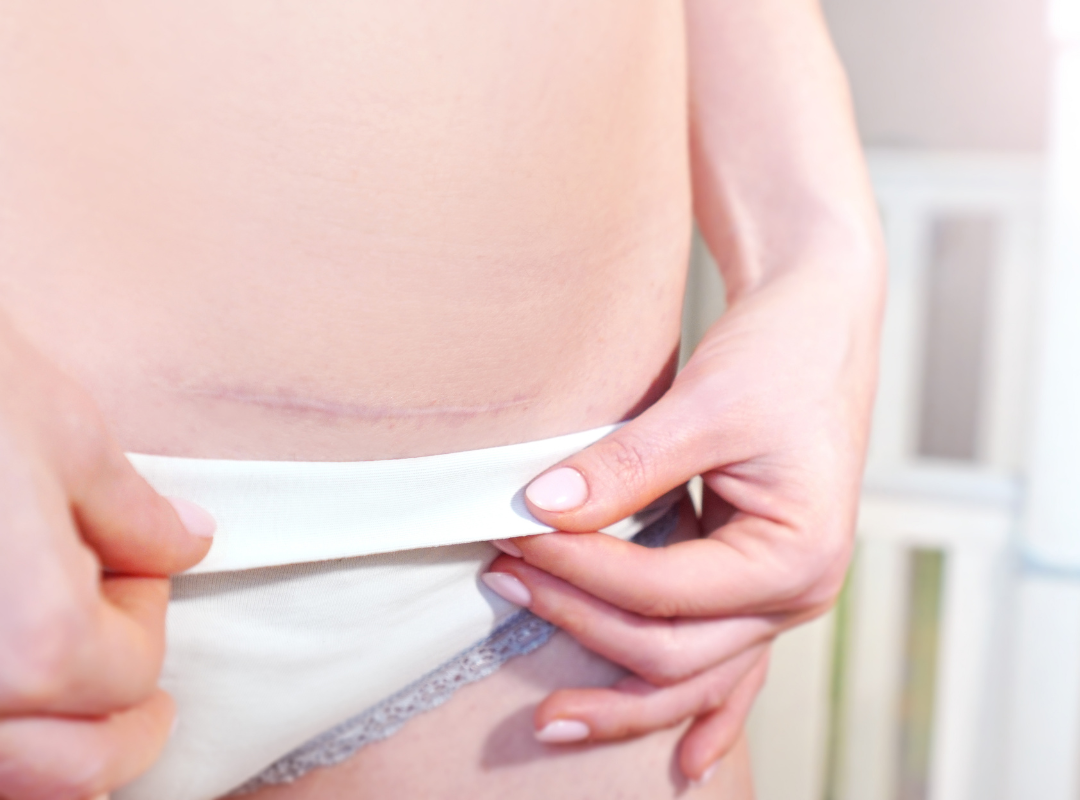
What Causes a Tummy Tuck Scar to Form?
A tummy tuck is a form of plastic surgery that removes excess skin and fat from the abdominal area. Because the procedure requires surgical incisions to remove excess skin, scars form as a natural part of the body’s wound healing response. When the skin is cut, our body deposits scar tissue at the site to close and repair the wound. The resulting mark is an unavoidable part of any surgical procedure, and the appearance of that scar depends on several factors, including:
- The type of your skin
- Your genetics
- The technique used
- How well you care for the incision during recovery
Types of Tummy Tuck Incisions & Where Scars Form
The length and location of your scar depend largely on which procedure you undergo. In a standard tummy tuck, also called a full tummy tuck, the plastic surgeon makes a standard tummy tuck incision that runs horizontally across the lower abdomen, generally from hip to hip. This full tummy tuck scar is generally positioned low enough to be hidden beneath an underwear waistband or bikini bottom. In cases where a patient has significant excess skin both vertically and horizontally — generally after major weight loss — a fleur de lis tummy tuck may be recommended. This technique adds a vertical scar running up the center of your abdomen in addition to the horizontal incision, creating an anchor-like pattern. While this leaves more visible scars, it allows for a greater degree of skin removal and contouring. If you have more limited concerns, a mini tummy tuck is an option. The mini tummy procedure uses a shorter incision, targeting only your lower abdomen below your belly button. The resulting scar is shorter than that of a full tummy tuck. Remember that in a standard tummy tuck, your belly button is repositioned during surgery, which creates a small scar around it. This is a normal part of the procedure.
The Healing Process & Scar Progression
Healing after a tummy tuck happens in stages, and for most people, scars follow a fairly predictable timeline as they mature. In the first few weeks after surgery, the site of incision will appear firm, red, and raised. This is normal and expected during early wound healing. Over the following months, the scar generally begins to fade and soften. By 6 months to a year post-surgery, you may find that your scars have lightened considerably and become less visible than you expected. But keep in mind, not everyone heals the same way.
- Some patients develop hypertrophic scars, which are thickened scars that remain within the boundary of their original incision.
- Others may be genetically predisposed to abnormal scarring.
- People with darker skin tones are also more prone to certain types of scarring, which is something to discuss with your plastic surgeon beforehand.
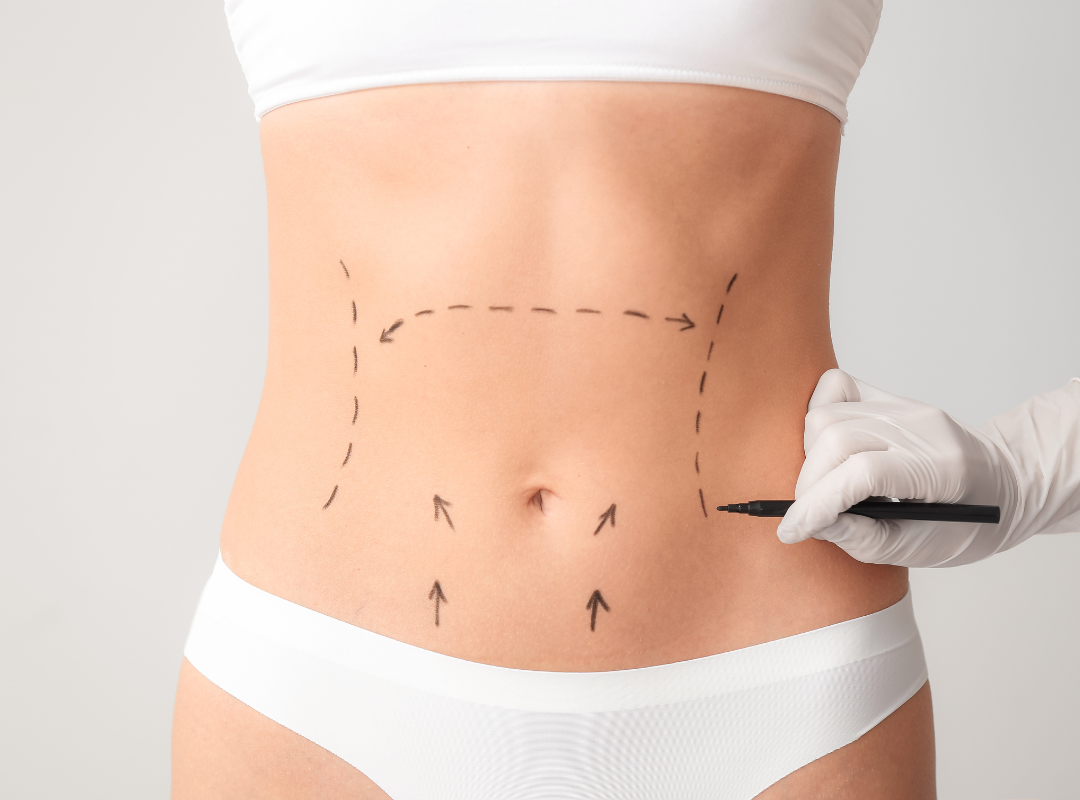
Ways to Minimize Scarring After a Tummy Tuck
While no technique completely eliminates a scar, there are proven strategies to minimize scarring and help your skin heal. One of the most widely recommended methods is the use of silicone gel sheets, which are applied directly to your healed incision. These sheets flatten and fade scar tissue by maintaining moisture and reducing tension on your wound. Many cosmetic or plastic surgeons recommend using them starting about 2 to 3 weeks after the abdominoplasty surgery, once the incision has fully closed. Scar massage is another technique that can improve the appearance and texture of a tummy tuck scar. Gently massaging the scar with an oil or moisturizing cream once the incision has healed encourages circulation and helps break down rigid scar tissue. Most plastic surgeons recommend starting scar massage around 4 to 6 weeks after the abdominoplasty surgery, when the wound has healed sufficiently. Sun protection is also critical. UV exposure can cause scars to darken permanently, so keeping the incision covered or applying high-SPF sunscreen is the real deal throughout the first year of the healing process.
When to Consider Scar Revision Surgery
For some patients, even with diligent aftercare, the scar may remain more visible. In these cases, scar revision may be an option. Scar revision surgery is a separate procedure and is done to improve the appearance of a problematic scar — whether it is discolored, raised, or widened. This may involve:
- Surgical excision of the old scar
- Laser treatments
- Steroid injections
The right approach depends on the kind of scarring you have. It is generally recommended to wait at least one full year before you pursue scar revision, as scars continue to mature and may improve on their own during that time. Your plastic surgeon can assess your tummy tuck scar and advise on whether intervention is appropriate. 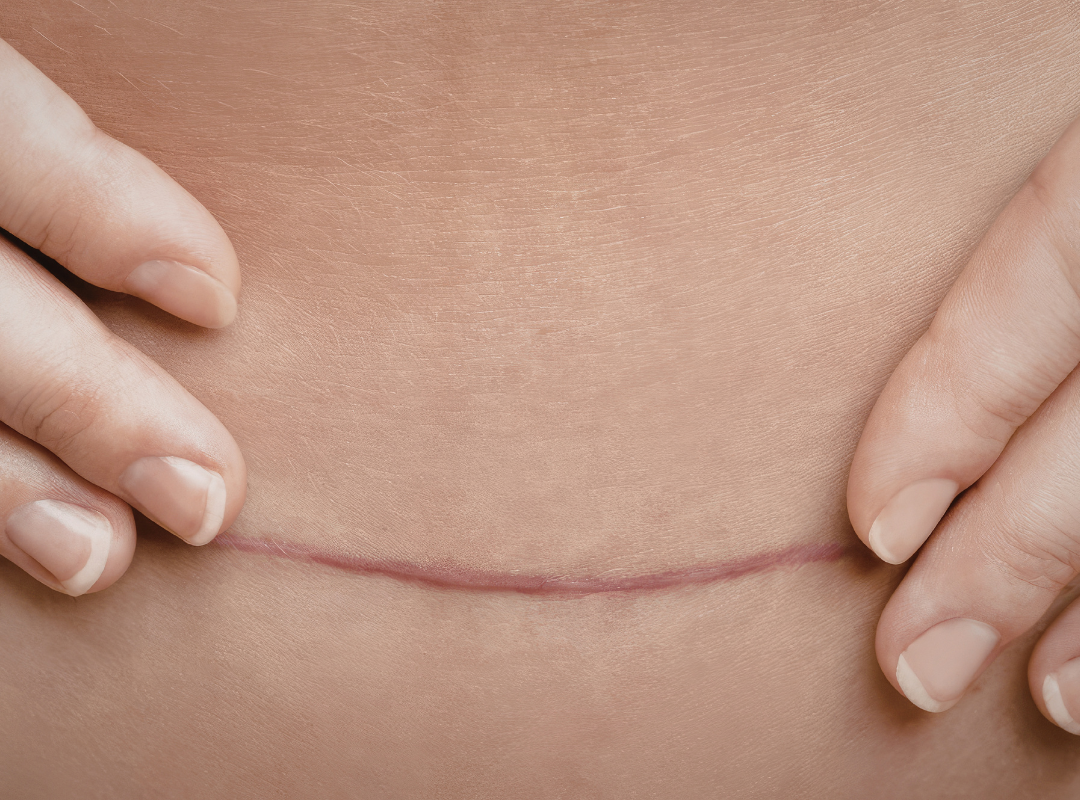
Conclusion
An abdominoplasty scar is an expected part of the journey toward a firmer and flatter abdomen. undergoing a mini tummy tuck, a standard tummy tuck, or a fleur de lis procedure? Knowing scar progression, committing to aftercare with tools like silicone gel sheets and scar massage, and working closely with your plastic surgeon will give you the best possible outcome. The real motive is not a scar-free result — which is not possible with any surgery — but rather less visible scars that you can feel confident about.
Take The Next Step Now: Call Jim Brantner, MD
Thinking about a tummy tuck or any other body contouring procedure? Jim Brantner, MD, offers a full spectrum of surgical and non-surgical solutions in Johnson City, Tennessee. From Mommy Makeover and Liposuction to Breast Reduction, Breast Augmentation, Breast Lift, his practice provides exceptional care at every stage of your transformation. For patients who want additional body contouring options, services such as Thigh Lifts, Upper Arm Contouring, and Body Contouring are also available. And those who are interested in non-surgical enhancements can explore options like SculpSure®, Morpheus, and Botox® to complement surgical results. Contact Jim Brantner, MD, today to schedule your consultation.
Frequently Asked Questions
Q1: How long does it take for a tummy tuck scar to fade?
The healing process for a tummy tuck scar varies from person to person. Remember that most scars go through significant scar progression over the first 12 to 18 months. During this time, the scar generally softens, flattens, and fades from a red or pink tone to a more skin-matching color.
Q2: Will my tummy tuck scar be visible in a swimsuit?
In most cases, the standard tummy tuck incision is placed low on your abdomen — below the bikini line — so that the resulting abdominoplasty scar is hidden by most swimwear. The exact placement varies based on the technique of your plastic surgeon and the extent of excess skin being removed.
Q3: What is the difference between a full tummy tuck scar and a mini tummy tuck scar?
A full tummy tuck scar runs hip to hip across your lower abdomen and also includes a scar around your belly button due to repositioning. A mini tummy, on the flip side, is a procedure that involves a shorter incision below your navel and does not reposition the belly button, resulting in a smaller scar overall.
Q4: Are hypertrophic scars common after a tummy tuck?
Hypertrophic scars — raised, thickened scars — do occur in some patients after a tummy tuck, particularly in those with a genetic tendency toward abnormal scarring. They can generally be managed with treatments such as:
- Silicone gel sheets
- Scar massage
- Steroid injections
- Scar revision surgery (in more persistent cases)
Q5: Can Jim Brantner, MD, in Johnson City, help if I’m unhappy with my tummy tuck scar?
Yes. Dr. Jim Brantner, MD, serving patients in Johnson City, Tennessee, and the surrounding region, offers scar revision consultations for patients who are dissatisfied with the appearance of their abdominoplasty scar or tummy tuck scar.