How Much Does SculpSure® Cost?
The SculpSure® cost generally falls around $1,000 to $1,800 per treatment. The final price varies by provider, location, treatment area, and the number of sessions recommended. SculpSure® is a noninvasive body contouring treatment that uses laser energy and controlled heat to target and destroy unwanted fat cells. Let’s learn more.
What Is SculpSure®?
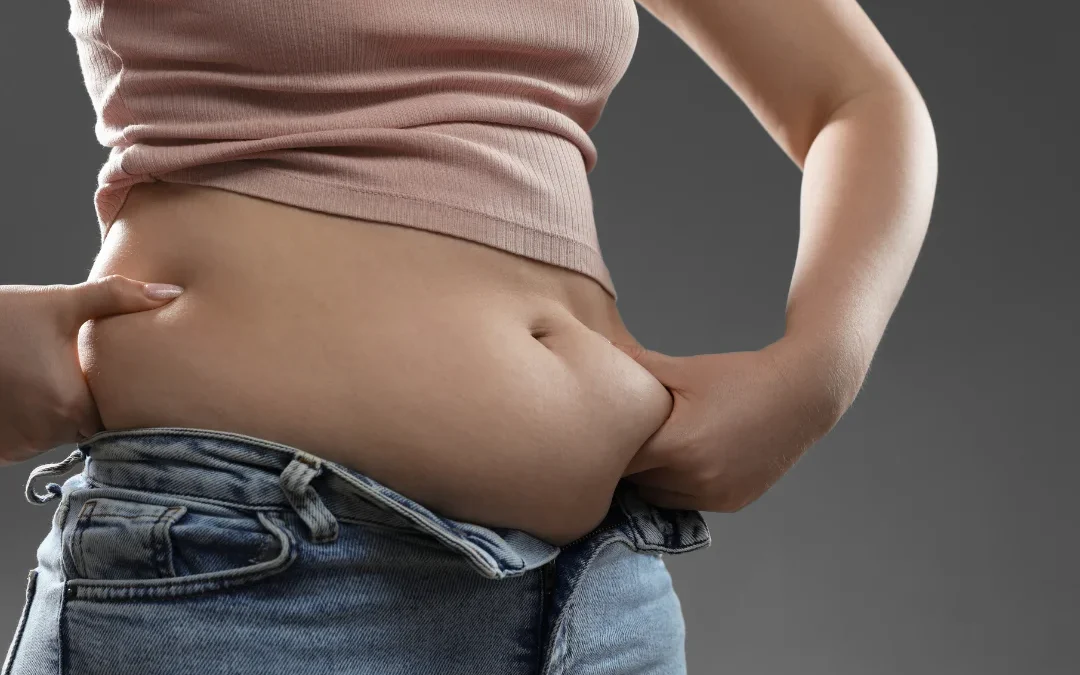
SculpSure® treatment is a form of non-surgical body contouring for people who have localized areas of stubborn fat. The SculpSure® procedure uses controlled laser heat to target fat beneath the skin. During treatment, the energy heats the fat cells while leaving surrounding skin cells and other structures largely unaffected.
Unlike liposuction, SculpSure® does not involve anesthesia, incisions, or the physical removal of fat through an invasive procedure. A typical session takes about 25 minutes, and you can generally return to your normal routine after treatment. Temporary redness, tenderness, or swelling can occur.

How Much Does SculpSure® Cost?
The question of how much SculpSure® costs has no single answer because clinics set their own fees. The “American Society of Plastic Surgeons” has previously reported SculpSure® pricing in the range of approximately “$1,200 to $1,800” per treatment, while another ASPS publication cited about “$1,000 to $1,600” per area. These figures are useful as general reference points.
The price can change based on:
- Size of the treatment area
- Number of areas treated during a visit
- Number of sessions recommended
- Provider’s location
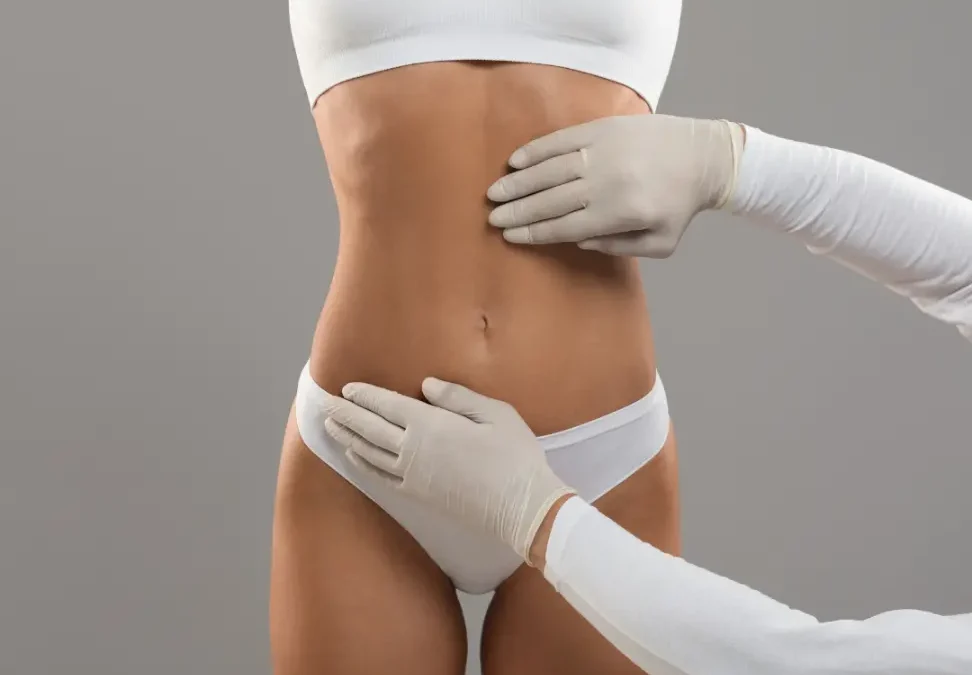
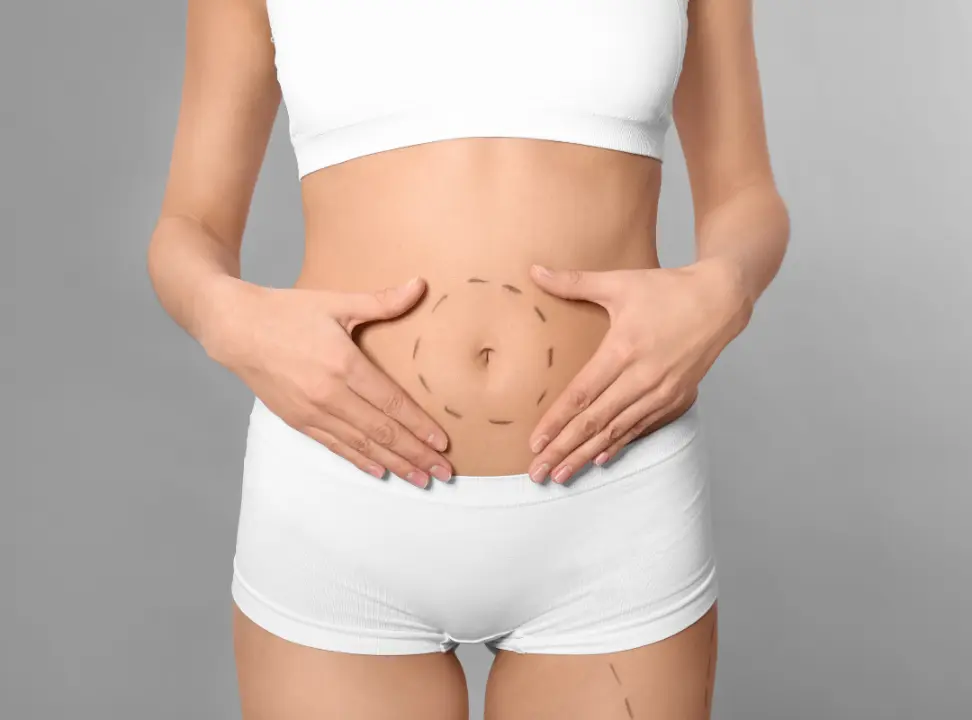
A treatment for the abdomen may have a different price from treatment of the flanks or another smaller area. A consultation with a plastic surgeon is usually needed to determine the actual treatment plan and expected cost.
What Factors Affect SculpSure® Cost?
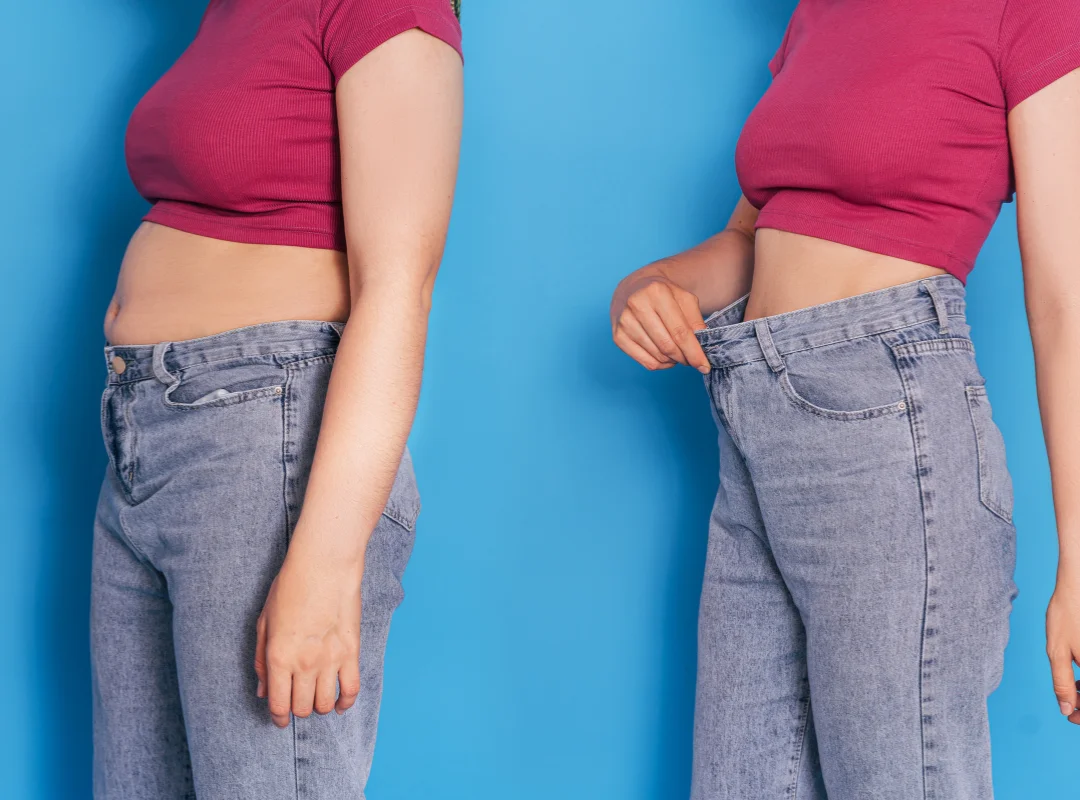
One of the biggest factors affecting SculpSure® cost is the number of areas being treated. Someone treating a single small area may have a lower total expense than someone treating several areas over multiple visits.
The number of sessions is another important factor. Some people may see noticeable fat reduction after just one treatment, while others may receive additional treatments for further contouring. This is why the cost per session should not be viewed as the complete cost of a body sculpting plan.
The geographic location and provider can also influence pricing. Cosmetic treatment fees are not standardized nationwide, and clinics may structure their fees differently. Published ASPS information also notes that costs for nonsurgical fat reduction vary.
How Does SculpSure® Reduce Stubborn Fat?
SculpSure® works by delivering controlled laser energy into the fat layer beneath the skin. The energy raises the temperature of the targeted tissue, which damages the fat cells. The body then processes the cellular debris naturally.
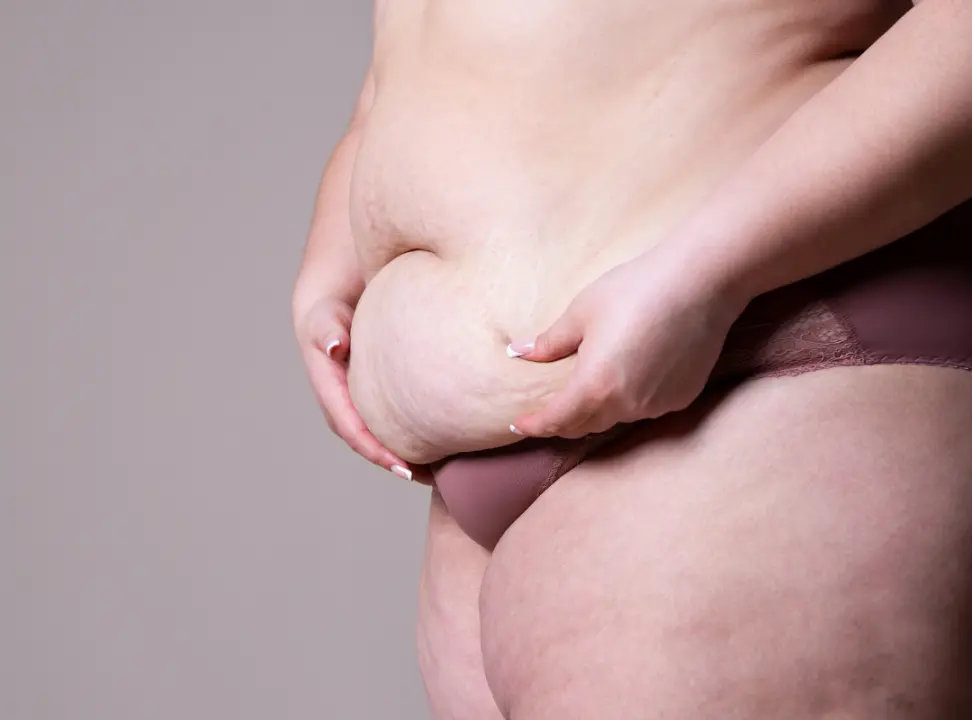
The real goal is not general weight loss. Instead, SculpSure® treatment is intended for localized stubborn fat pockets in areas such as the flanks and abdomen. ASPS describes laser lipolysis as a treatment for reducing the volume of a localized fatty bulge.
The treatment does not remove every fat cell from an area. Some remaining fat cells stay in place, which is why maintaining a healthy lifestyle is important after treatment. SculpSure® is intended for body contouring rather than replacing weight-loss methods or treating obesity.
How Many SculpSure® Treatments Are Needed?
The answer varies according to the treatment area and desired degree of fat reduction. Some patients may receive one session, while others may have more than one session as part of their treatment plan. Results don’t appear immediately because the body needs time to process the treated fat cells.
Who Is a Good Candidate for SculpSure®?
A good candidate for SculpSure® is generally someone who is close to their target weight but has localized areas of fat that remain despite exercise and a regular diet.
People with loose skin or fat located deep inside the abdomen may not be suitable candidates for laser lipolysis. ASPS also notes that those who are pregnant or breastfeeding should not undergo nonsurgical fat-reduction treatments.
What Happens to Destroyed Fat Cells?
During the SculpSure® procedure, the laser energy heats and damages targeted fat cells. The body then gradually processes the cellular material. The body does not remove the destroyed fat cells immediately during the treatment.
Because SculpSure® is a nonsurgical treatment, there are no incisions. This distinguishes it from liposuction, which is a surgical fat-removal procedure. SculpSure® is not a method for removing all fat from a particular area. Treated fat cells are targeted while remaining fat cells continue to exist in your body.
Is SculpSure® a Weight-Loss Treatment?
No. SculpSure® is a body contouring procedure, not a weight-loss treatment. It is intended to reduce localized fat deposits and create changes in the shape or contour of a treatment area.
If you are someone with significantly above your target weight, you may need to focus on weight management before considering a body sculpting procedure. SculpSure® is generally considered if you already have a stable weight but still have areas of stubborn fat.
This distinction is important when considering SculpSure® cost. Paying for a cosmetic fat-reduction treatment does not produce the same result as losing substantial body weight through physical activity, nutrition, or medical weight-management care.
How Long Do SculpSure® Results Last?
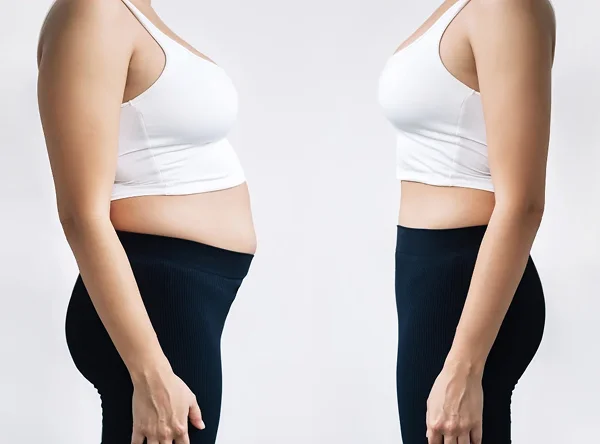
The fat cells damaged during SculpSure® treatment are intended to be permanently destroyed, but your body can still store fat in the remaining fat cells. Significant weight gain can therefore change the appearance of the treated area.
What is SculpSure® Cost Compared With Other Options
When considering non-surgical body contouring, it is useful to compare the total treatment plan. SculpSure® may involve multiple sessions, while other fat-reduction options have different treatment schedules and costs.
Liposuction physically removes fat through surgery and can produce a larger change in just a single procedure, but it also involves incisions, anesthesia, and recovery. SculpSure® uses external applicators and doesn’t require surgical fat removal.
The right choice is more than comparing prices.
- The treatment area
- Amount of fat
- Desired result
- Recovery preferences
- Medical suitability
All these matter when considering different body sculpting options.
What Should You Ask About SculpSure® Cost?
Before scheduling a SculpSure® treatment, you can ask the clinic for:
- Price per session
- Number of sessions recommended
- Areas included in the quoted fee
- Any additional consultation or treatment charges
Asking for the estimated total cost of the recommended treatment plan can provide a clearer picture than looking only at the price of one appointment.
It is also useful to ask how long results may take to become noticeable and what changes can realistically be expected from the selected treatment area. These details can make it easier for you to compare SculpSure® with other nonsurgical and surgical body contouring procedures.
Conclusion
The cost of SculpSure® is commonly reported in the range of about “$1,000 to $1,800” per treatment, although actual pricing varies by treatment area, clinic, location, and the number of sessions. SculpSure® uses controlled laser energy to target fat cells without surgical fat removal. It is designed for localized stubborn fat, not major weight loss.
Visit Jim Brantner MD for SculpSure®® in Johnson City, Tennessee
For information about relevant body contouring options, call Jim Brantner MD to learn about Liposuction, Tummy Tuck, Upper Arm Contouring, Thigh Lifts, Non-Surgical, Morpheus, THermiSmooth®, SculpSure®, Body Contouring, and Fat Injections. Call us at +1-423-328-9000 for a consultation.
Frequently Asked Questions
How long do SculpSure® results last?
The treated fat cells are intended to be permanently destroyed. However, remaining fat cells can enlarge with weight gain, which can change the appearance of the treated area.
How many SculpSure® sessions are needed?
Some people may have one session, while others may receive additional sessions for further fat reduction. The recommended number is based on the treatment area and desired results.
How many inches can you lose with SculpSure®?
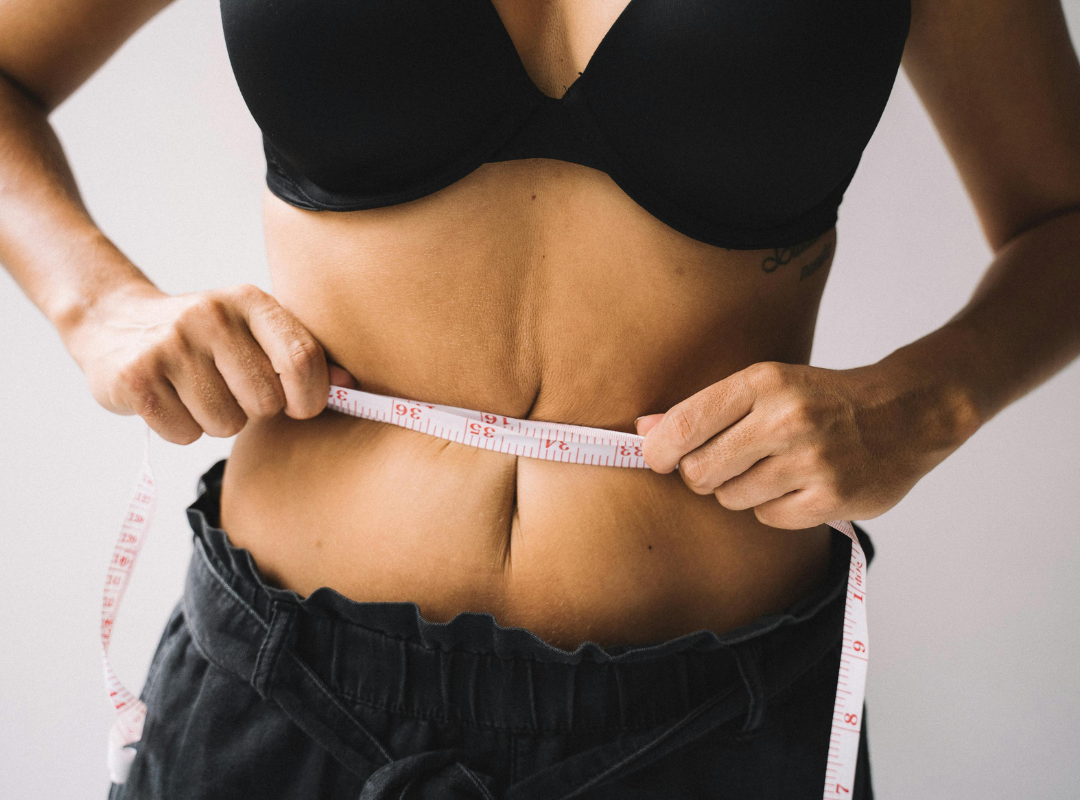
There is no single number of inches that applies to everyone. SculpSure® is designed for localized fat reduction rather than a specific measurement of inches lost.
What is the safest procedure to remove belly fat?
Safety varies according to your health, anatomy, and treatment choice. SculpSure® is a noninvasive option, while liposuction is a surgical procedure that physically removes fat. A medical professional can determine which option is appropriate for you.
How expensive is SculpSure®?
Published plastic surgery sources have reported costs of SculpSure® of roughly “$1,000 to $1,800” per treatment, but actual clinic pricing varies by location, plastic surgeon, treatment area, and treatment plan.