

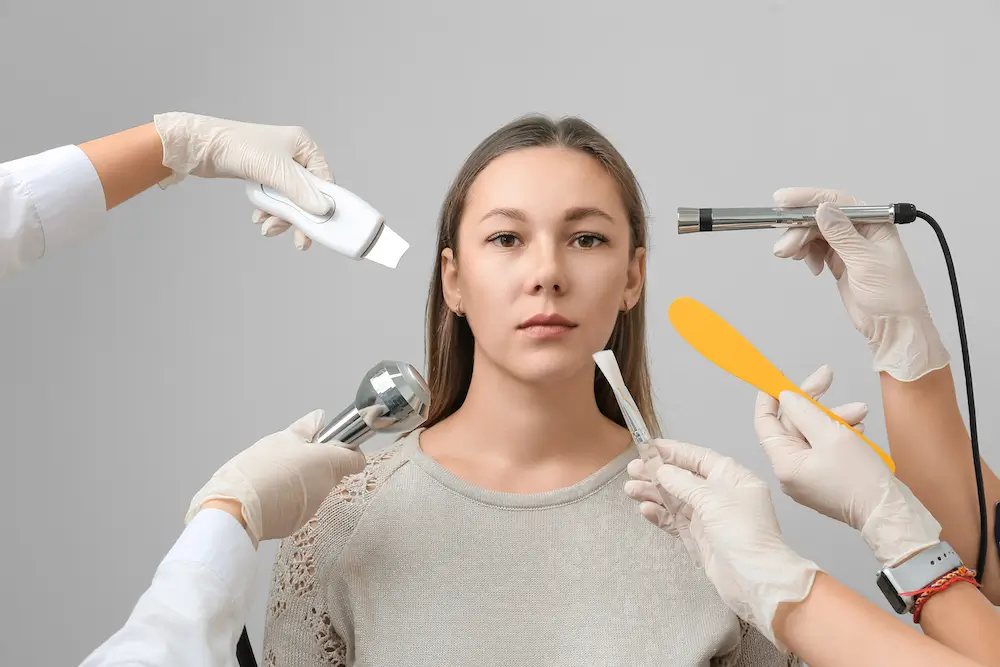
The Psychological Effects of Plastic Surgery on Patients
Plastic surgery is now woven into the fabric of modern health care, offering everything from cosmetic enhancements to life-changing reconstructive procedures. People turn to these surgeries not just to change how they look, but to reclaim confidence or heal after injury or illness. Yet, the journey does not end with physical transformation. The emotional and psychological shifts that follow are just as important. By exploring how plastic surgery might affect your emotions, you empower yourself and your care team to make choices guided by insight, not just impulse.
Plastic Surgery & Psychological Effects on Patients
The psychological effects of plastic surgery on patients vary. Some patients report positive emotional shifts after cosmetic procedures, while others face unexpected mental health challenges. These responses are influenced by:
- Your personal expectations
- Your mental health history
- Your body image perception
- Social influences
Plastic surgery procedures can shape how you view yourself, interact socially, and assess your life satisfaction.
If you are going for cosmetic surgery, you generally hope for improvement in self-esteem and quality of life. When expectations align with realistic outcomes, emotional responses may feel balanced and stable. When expectations are unrealistic, emotional distress can emerge, especially if deeper psychological factors were present before surgery.
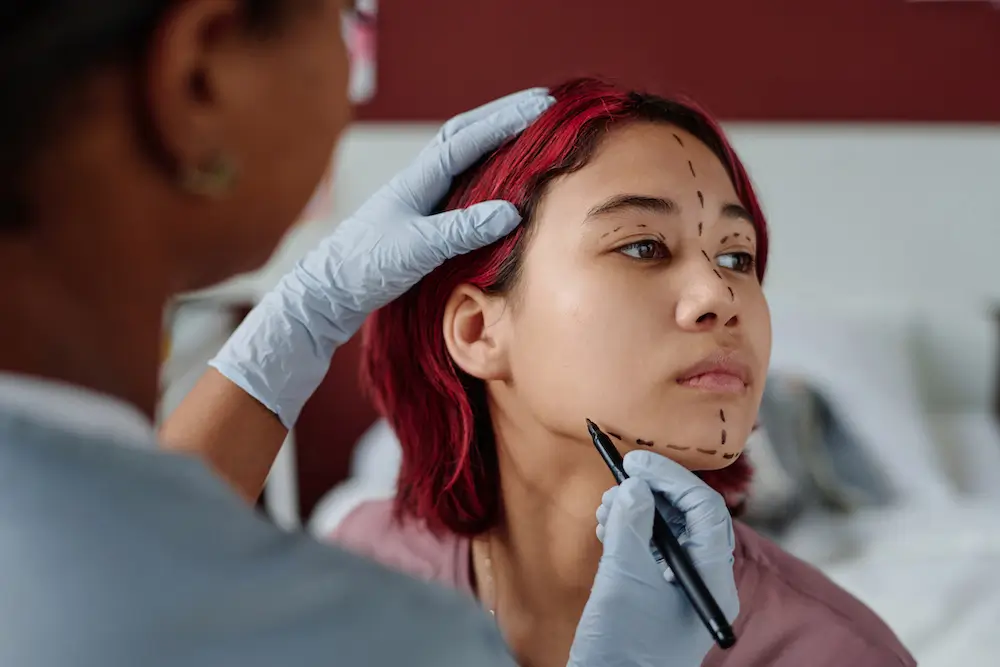
Body Image & Physical Appearance After Cosmetic Surgery
Body image plays a game-changing role in how you respond psychologically after cosmetic surgery. Physical appearance influences self-perception, social confidence, and emotional comfort. For some cosmetic surgery patients, changes in appearance lead to greater confidence and satisfaction. For others, focusing on perceived flaws can continue even after visible changes.
Patients who are going for cosmetic surgery sometimes believe that altering one feature will resolve deeper dissatisfaction. This belief may intensify attention on other perceived flaws once a procedure is completed. In these cases, cosmetic procedures do not fix the root of emotional distress tied to body image.
Body Dysmorphic Disorder & Cosmetic Surgery
Body dysmorphic disorder is a mental health condition characterized by a persistent preoccupation with perceived physical flaws that may appear minor or unnoticeable to others. Body dysmorphic disorder BDD is especially relevant when discussing cosmetic surgery patients.
People with body dysmorphic disorder generally pursue repeated cosmetic procedures without feeling satisfied afterward.
It is important to remember that plastic surgery cannot cure body dysmorphic disorder and may even deepen emotional distress.
Patients with this mental health condition may experience:
- Heightened anxiety
- Frustration
- Disappointment following surgery
Screening for body dysmorphic disorder before cosmetic surgery is an important step in protecting patients’ mental health.
Cosmetic Surgery & Self-Esteem
Self-esteem is the main motivation behind cosmetic surgery. Many patients hope that altering their physical appearance will improve confidence in social, professional, or personal settings. In some cases, cosmetic or plastic surgery procedures do contribute to improved self-esteem, particularly when changes align with your realistic expectations and your personal goals.
However, self-esteem rooted in appearance can remain fragile. If self-worth depends heavily on external validation, emotional stability may fluctuate even after cosmetic surgery.
Plastic or cosmetic surgery alone cannot resolve your deeper self-esteem struggles that stem from your psychological or social experiences.
Reconstructive Surgery & Mental Health
Reconstructive surgery differs from cosmetic surgery in purpose, generally treating physical changes that are caused by illness, injury, or congenital conditions. For many patients, reconstructive surgery supports emotional healing by restoring a sense of normalcy. Improvements in physical appearance after reconstructive surgery also positively influence quality of life.
Despite these benefits, patients who go through reconstructive surgery may also face emotional challenges. Adjusting to altered sensation, scars, or lingering self-image concerns can affect mental health. Emotional support remains important throughout the reconstructive process.

Mental Health Risks & Psychological Consequences
Plastic surgery comes with mental health risks that are sometimes easy to overlook. The psychological effects can include:
- Anxiety
- Mood shifts
- Disappointment
- Dissatisfaction if expectations are unmet
Social reactions to physical changes can also influence your emotional responses, both in positive and negative ways.
Cosmetic surgery patients who pursue multiple procedures without addressing underlying mental health concerns may face escalating emotional distress. These mental health risks highlight the significance of honest self-reflection before undergoing plastic surgery.
Facial Aesthetic Procedures & Identity
Facial aesthetic procedures such as eyelid surgery, rhinoplasty, facelifts, and injectable fillers can influence how you perceive your identity. The face plays a central role in personal recognition and social interaction. Changes to facial features may bring confidence for some patients, while others need time to emotionally adjust to their new appearance.
Psychological responses to facial changes generally depend on your personal attachment to:
- Appearance
- Cultural values
- Social feedback
Comprehending these factors helps you approach facial aesthetic procedures with clarity.
Quality of Life & Life Satisfaction After Plastic Surgery
Quality of life and life satisfaction may improve for you after cosmetic surgery, especially when procedures align with your personal goals rather than external pressure. Feeling more comfortable in your body can support social engagement and your personal expression.
Still, it is important to remember that plastic surgery cannot solve every challenge in your life, such as:
- Relationship stress
- Career dissatisfaction
- Unresolved emotional struggles
Viewing cosmetic surgery as one part of a larger personal journey supports healthier emotional outcomes.
Psychological Screening & Patient Awareness
Psychological screening before cosmetic surgery is becoming more common as awareness grows around mental health outcomes. Evaluating motivations, expectations, and mental health history allows aesthetic surgeons or cosmetic surgeons to identify possible risks. Patients who understand both physical and psychological aspects of plastic surgery are better prepared for the experience.
Education around mental health helps you make choices based on your self-awareness rather than impulse or pressure. This approach supports emotional stability throughout the surgical process.
Conclusion
The psychological effects of plastic surgery on you are complex and deeply personal. From shifts in body image and self-esteem to challenges linked with your mental health history, your emotional responses vary widely. Cosmetic surgery and reconstructive surgery can influence your quality of life, but they do not replace psychological support or self-understanding. Recognizing psychological factors, mental health risks, and realistic expectations allows you to choose plastic surgery with clarity.
Considering Plastic Surgery With Informed Support
Exploring cosmetic or reconstructive options? Guidance matters. Call Jim Brantner, MD, to discuss procedures in a setting that values patient education and thoughtful decision-making. Services include Breast Lift, Breast Reduction, Mommy Makeover, Breast Augmentation, Breast Reconstruction, Liposuction, Tummy Tuck, Upper Arm Contouring, Thigh Lifts, Facelifts, Brow Lifts, Neck Lift, Eyelid Surgery, Rhinoplasty, Injectable Fillers, Botox®, Juvederm®, Body Contouring, and Non-Surgical treatments.
A clear understanding of both your physical and psychological considerations can support your confident choices.
Schedule a consultation today to learn more.
Frequently Asked Questions
Can plastic surgery affect mental health?
Yes. Plastic surgery can influence your mental health in positive or challenging ways depending on your expectations, your body image, and your mental health history.
What is body dysmorphic disorder in cosmetic surgery patients?
Body dysmorphic disorder is a mental health condition that is characterized by an intense focus on perceived flaws. Cosmetic surgery does not resolve this condition and may increase distress.
Do breast augmentation patients experience emotional changes?
Breast augmentation patients may experience shifts in self-perception and confidence. Emotional outcomes vary based on your personal expectations and your body image concerns.
Should mental health history be discussed before cosmetic procedures?
Yes. Discussing mental health history helps identify psychological factors that may influence emotional responses after surgery.
Where can I learn more about plastic surgery options in Tennessee?
Jim Brantner, MD, in Johnson City, offers consultations that focus on patient education and informed decision-making for cosmetic and reconstructive procedures.


What Our Paients Are Saying About Us..

I had BR surgery 2months ago, I had the anchor procedure. I had absolutely no problems at all, no pain, very little swelling and the results are amazing, with the added bonus that my back , neck, and shoulders no longer hurt. Even at just 2months my scars are hardly noticeable. I would recommend Dr Brantner to anyone , he and his staff are wonderful . I could not have had a better experience.
I highly recommend Dr. Brantner to any woman that wants a breast augmentation. I'm very pleased with my results. they look amazing and feel wonderful. If I ever need anything done in the future, I will sure be back to see Dr. Brantner. Thank you so much for taking good care of me!
Dr. Brantner and his associates are all amazing! They are very kind, smart, and honest people I highly recommend Dr. Brantner. They took great care of me and my needs from start to finish.
friendly and he takes time to answer any questions I may have and was even so kind as to take a phone call from me and he alleviated all concerns in a kind, gentle manner. Dr. Brantner and his staff were absolutely fantastic!!!!!! They made me feel soooooo comfortable before and after surgery. I highly recommend him to anyone looking to have a breast reduction.
Dr. Brantner is a highly skilled surgeon. I am so happy that I decided to go to him. After being in a car accident my nasal bones and surrounding bones had to be reconstructed. The first surgeon who worked on me did a terrible job and had zero bedside manner. That is when I sought out Dr. Branner, he not only did an amazing job fixing everything the first Doctor messed up, he also made it look better than it did originally. I would highly recommend him to anyone.
testimonials
I went to Dr Brantner for reconstruction revision. I'm very, very pleased with the results. The staff were wonderful. I can't thank them enough for taking care of my surgery and making me feel and look so much better!!! I would highly recommend Dr Brantner.
Great surgeon! Every employee in the office is wonderful and helpful. I have nothing but great things to say about Dr Brantner, Win, and all of the staff.