

Filler treatments rank among the top modern aesthetic treatment options. People choose injectable fillers because they offer immediate improvement without surgery. These cosmetic injectables help restore volume, soften wrinkles, and support natural beauty. Many patients want a youthful appearance but also want results that feel balanced. That goal requires more than just a filler injected into the skin. It requires a clear understanding of how long injectable fillers typically last and when you should get a touch-up. This blog will explain how fillers last and how to time maintenance appointments. If you want natural-looking results, keep reading.
What Injectable Fillers Actually Do
Injectable fillers add volume to targeted areas of the face. Providers place dermal filler injections into specific facial features to support structure and smooth fine lines. Most fillers contain gel-like substances that blend with the skin.
Hyaluronic acid fillers lead the field because hyaluronic acid acts as a naturally occurring substance in the body. These fillers attract water and support glowing skin. Other options, such as poly (lactic acid), stimulate collagen over time. Soft tissue fillers help correct volume loss in areas like the cheeks, lips, and under-eye area. This non-surgical approach delivers results without extended downtime.
Types of Dermal Fillers & Why They Matter
The type of filler used plays a major role in how long results last. Hyaluronic acid fillers often last between 6 and 18 months. Some fillers last up to 2 years when placed in areas with less movement. Polylactic acid works differently and builds results gradually.
Lip fillers often fade faster because the facial muscles in that area move constantly. Fillers generally last longer in the cheeks and jawline because those areas experience less muscle movement. Each dermal filler treatment relies on unique properties, so providers always tailor the treatment plan to facial anatomy and aesthetic goals.

How Long Do Dermal Fillers Typically Last
Dermal fillers last for different lengths of time depending on several factors. The type of filler affects duration. The treatment area also plays a role. Faster metabolisms break down fillers sooner. Regular exercise can shorten filler longevity.
Sun exposure can also shorten the lifespan of fillers. Most patients see results lasting anywhere from 6 months to 2 years. Fillers typically fade slowly, so changes appear gradual rather than sudden. This slow fade helps maintain a natural appearance and avoids drastic shifts in facial contours.
Areas That Lose Volume Faster
Certain treated areas lose volume faster than others. Lip fillers often require touch-up treatments sooner because of frequent muscle movement. Smile lines and nasolabial folds also break down filler faster due to daily facial expressions. The under-eye area tends to hold filler longer when providers place it carefully. Cheeks and jawlines often show the longest results. Deeper wrinkles and deeper lines may also require earlier maintenance because they need more support. Providers evaluate each injection site to ensure balance and safety.
Signs That Tell You It’s Time for a Touch Up
Your face gives clear signals when you need a touch-up appointment. Fine lines begin to reappear. Wrinkles look more defined. Volume loss becomes visible again. Sagging skin may return in certain areas. Lip fullness may decrease, and acne scars may appear more noticeable. As a result, the desired look starts to fade.
Many patients notice these changes within a few weeks to months, depending on the filler. A follow-up appointment helps address these shifts before results fully disappear. Touch-ups help maintain facial contours and preserve a more youthful appearance.

Why Touch Up Treatments Matter
Touch-up treatments help you stay ahead of filler breakdown. These small adjustments support natural-looking results and avoid overcorrection. Providers often use less product during a touch-up than during the initial treatment.
Regular follow-up appointments allow providers to track how your skin responds over time. This approach supports consistent results and protects facial anatomy. A touch-up also helps refine symmetry and adjust volume where needed. Maintenance appointments often deliver better long-term outcomes than waiting for fillers to fade completely.
What Happens During a Touch-Up Appointment
A touch-up appointment usually feels quick and straightforward. The provider reviews your aesthetic goals and assesses treated areas. They evaluate muscle movement and facial features. Most providers use a local anesthetic to improve comfort. The filler injected targets areas that lost volume or definition.
The process remains minimally invasive and efficient. Most patients return to daily activities the same day. You may experience temporary swelling or mild redness at the injection site, which fades quickly.
Aftercare & How It Affects Filler Longevity
Proper aftercare plays a key role in how long fillers last. Providers give specific aftercare instructions provided after every treatment. These instructions may include avoiding heavy exercise for a short period. Patients should limit sun exposure and heat. Avoid touching or pressing the treatment area.
Experience temporary swelling as part of the normal healing process. Maintain a healthy lifestyle with a balanced diet and regular exercise. Hydration supports hyaluronic acid fillers and helps maintain skin quality. Proper aftercare protects results and reduces the risk of complications.
Lifestyle Factors That Influence Results
Lifestyle choices influence filler longevity more than many people expect. Faster metabolisms process fillers quicker. Regular exercise improves health but may slightly shorten the results. Sun exposure accelerates skin aging and the breakdown of fillers. Smoking reduces skin quality and collagen support. A healthy lifestyle supports glowing skin and better outcomes. Patients who follow aftercare guidance and attend regular follow-up appointments often enjoy longer-lasting results.
Why Expertise Makes a Difference
Dermal filler treatment requires deep knowledge of facial anatomy. Providers must understand facial muscles, volume patterns, and skin behavior. Precision ensures a natural appearance and balanced results. Experienced providers design a treatment plan based on individual needs. They choose the right type of filler and placement technique. This expertise reduces risks and improves satisfaction. Patients who trust skilled professionals often achieve desired results with fewer adjustments.
Final Thoughts on Timing Your Touch Ups
Injectable fillers offer flexibility and control. They allow patients to refresh their look without surgery. Understanding how long fillers last helps you plan maintenance with confidence. Touch-ups keep results consistent and refined. Most patients benefit from routine evaluations rather than waiting for full fade. A proactive approach supports natural beauty and long-term satisfaction.
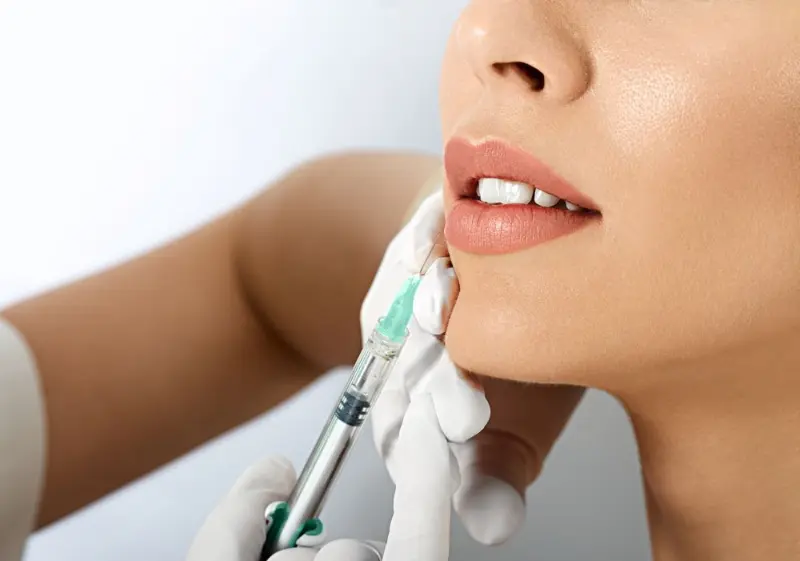
Filler Treatment & Touch-Ups with Dr. Jim Brantner, MD
One of the most common concerns with injectable fillers is knowing how long results will last and when a touch-up makes sense without overdoing it. Changes in facial movement, metabolism, and product type can all affect how long fillers hold their shape.
Dr. Jim Brantner, MD, provides clear guidance on filler duration, touch-up timing, and natural-looking maintenance plans based on your facial structure and goals. In addition to injectable fillers, his practice offers mommy makeovers, facial rejuvenation treatments, and detailed aesthetic care under expert medical supervision.
If you want results that age naturally and stay balanced over time, schedule your consultation or contact us today to plan your treatment.
FAQs
Before scheduling treatment, many patients want clear answers. Below are common questions patients ask when considering dermal fillers with Dr. Jim Brantner, MD.
Q1. How does Dr. Jim Brantner, MD, customize filler treatments?
A: Dr. Jim Brantner, MD, evaluates facial anatomy, skin condition, and aesthetic goals before treatment. He designs each treatment plan to support natural-looking results and facial balance.
Q2. How long do results usually last with Dr. Jim Brantner, MD?
A: Results vary depending on the type of filler used and the treatment area. Many patients see results lasting from several months up to two years with proper care and maintenance.
Q3. Does Dr. Jim Brantner, MD, offer follow-up appointments?
A: Yes. Dr. Jim Brantner, MD, schedules regular follow-up appointments to assess results, plan touch-up treatments, and ensure optimal outcomes.
Q4. What should patients expect after filler injections?
A: Most patients experience temporary swelling or mild redness at the injection site. Dr. Jim Brantner, MD, provides specific aftercare instructions to support healing and longevity.
Q5. Can dermal fillers help with acne scars and deeper wrinkles?
A: Yes. Dr. Jim Brantner, MD, uses dermal fillers to soften acne scars, deeper wrinkles, and volume loss while preserving a natural appearance.