
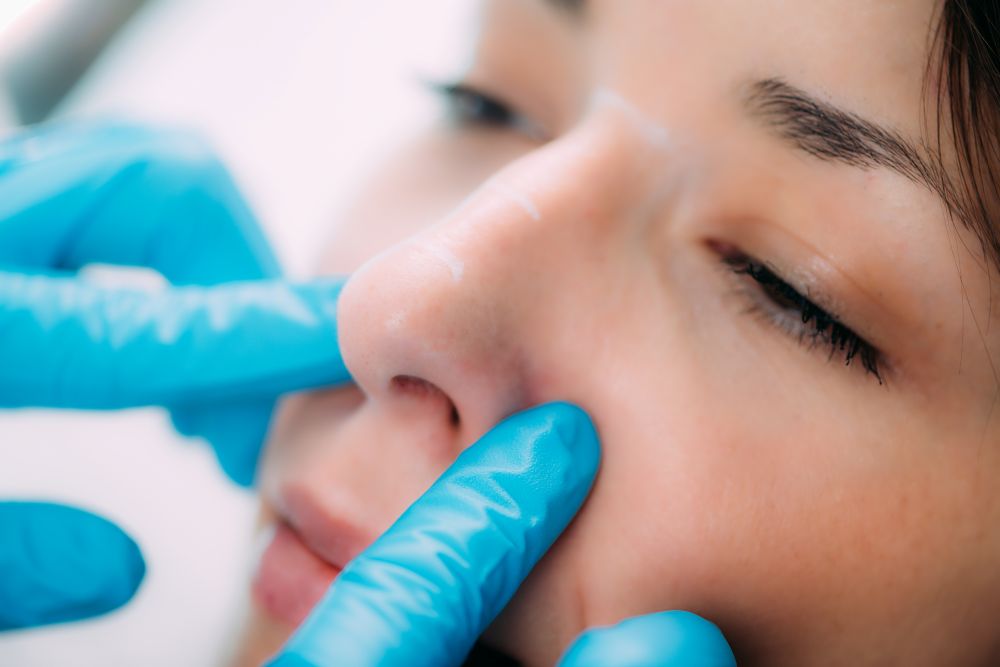
Rhinoplasty is one of the most common nose surgery procedures performed by a plastic surgeon. While the results can improve facial symmetry, it’s not unusual to experience swelling and breathing issues in the first few weeks after the procedure. Swelling inside the nostrils after nasal surgery is common. During primary rhinoplasty, the nasal septum, nasal bones, and cartilage are reshaped, which can temporarily block your nasal passages. This swelling may create nasal congestion, difficulty breathing, or other breathing problems. Some patients report a sensation of a tiny pocket of fluid in the nose, which adds to breathing difficulties. Mild to moderate swelling is a normal part of healing. Let’s discuss more about rhinoplasty inside the nostrils, swelling, and difficulty breathing.
Causes of Nasal Obstruction
One of the primary reasons for nasal obstruction is trauma to the tissues inside your nose during nose surgery. The delicate skin lining the nostrils can swell. In some cases, improperly positioned tissue or too much cartilage may make nasal breathing harder.
Residual swelling can last weeks or months, which is part of the natural healing process. You may experience breathing issues in the first few weeks, after which the nasal airway problems gradually improve.
Another factor contributing to difficulty breathing is the healing of your nasal septum. If the septum is adjusted during a procedure, swelling can temporarily block one or both nasal passages. You may develop nasal congestion or feel nasal obstruction because of this.
In some cases, a plastic surgeon may use spreader grafts to open the internal nasal valves and improve airflow. These grafts improve breathing but may also cause short-term swelling in your nostrils.
Managing Swelling After Nose Surgery
Cold therapy is a great way to manage swelling. Using cold compresses around your nose can reduce inflammation and may relieve pressure inside your nasal passages. It’s recommended to apply these compresses in short intervals during the first few weeks after the surgery. Keeping your head elevated during sleep can also help reduce fluid accumulation and ease breathing difficulties. For those who are experiencing sleep apnea or fitful sleep symptoms after the surgery, proper positioning and managing nasal congestion are highly important.
Visible Deformities & Revision Rhinoplasty
Some patients experience swelling after primary rhinoplasty or visible deformities. This may include:
- Bumps
- Asymmetry
- A lumpy appearance inside your nostrils
In these cases, revision surgery, or revision rhinoplasty, might be necessary to correct the shape and restore your nasal airway. You should wait until the swelling has decreased as much as possible before considering revision surgery. Minor adjustments can make a noticeable difference in nasal breathing and comfort.
If you have pre-existing nasal bones or nasal septum irregularities, you may experience more pronounced breathing issues after surgery. If you have sleep apnea or chronic nasal congestion, you should discuss these conditions with your plastic surgeon beforehand. Communicating these issues during the initial nose surgery can prevent prolonged nasal airway problems and difficulty breathing issues.
Steps to Minimise Swelling
To minimize swelling you should always avoid in the first few weeks:
- Strenuous activities
- Excessive heat
- Bending over
Activities that increase blood flow to your face can exacerbate residual swelling and temporarily worsen nasal obstruction. You should follow your plastic surgeon’s post-operative instructions carefully, including medications to reduce swelling and for proper healing. Sometimes, saline rinses or nasal sprays may be recommended to keep the nasal passages clear and ease breathing problems.
In some cases, a tiny pocket of fluid may form in your nostril or along your nasal septum, worsening breathing difficulties.
To manage this, drainage techniques or gentle massage under medical supervision can be done, which can help relieve this pressure. Extreme nasal congestion should be reported to your plastic surgeon, as it may imply an underlying complication that needs urgent attention.
Addressing Too Much Cartilage & Residual Swelling
Too much cartilage left inside your nose can cause prolonged nasal airway problems. During revision rhinoplasty, your plastic surgeon can remove excess tissue or adjust spreader grafts. If you are considering revision surgery, you should understand that even after the procedure, some residual swelling is normal, and the healing process time varies from person to person.
Breathing issues are generally worse at night, contributing to fitful sleep. Keep these things in mind:
- Use supportive pillows to elevate your head
- Avoid nasal irritants
- Practice gentle nasal breathing exercises can help
You will notice gradual improvement as nasal congestion decreases and nasal passages open. This can take some weeks, so patience is your best friend while you are in the recovery period.
When to Seek Medical Attention
It’s important to differentiate between regular post-operative swelling and breathing difficulty, and complications that require intervention. Signs that require medical attention include:
- Persistent bleeding
- Severe asymmetry
- An inability to breathe for more than a few minutes
Consulting a plastic surgeon immediately can address unexpected nasal airway issues and improve breathing outcomes.
Conclusion:
Experiencing rhinoplasty inside the nostril, swelling, and difficulty breathing are common parts of recovery after nose surgery. Difficulty breathing, residual swelling, and temporary nasal congestion are expected during the first few weeks. Managing swelling with proper rest, cold compresses, and guidance from your plastic surgeon can ease breathing difficulties.
In cases of persistent nasal obstruction, revision rhinoplasty may be required to improve your nasal breathing and correct visible deformities. Monitoring your nasal passages and following medical advice helps promote an untroubled healing process and lessens the risk of ongoing nasal airway problems.
Schedule Rhinoplasty Consultation With Dr Jim Brantner, MD
If you’re experiencing rhinoplasty inside nostril swelling, hard to breathe, or you’re considering revision rhinoplasty to address nasal airway problems, call Jim Brantner, MD, today.
Dr Brantner offers expert nose surgery and a range of procedures, including Breast Lift Procedure, Rhinoplasty, Breast Augmentation, Liposuction, Facelifts, Brow Lifts, Tummy Tuck, Neck Lift, Eyelid Surgery, and Injectable Fillers.
Call us now to discuss your options and schedule a consultation for better breathing.