
Surgical Techniques and Options for Breast Reconstruction
Breast reconstruction offers several surgical methods to rebuild the breast after breast cancer surgery or other medical conditions affecting the breast. The right procedure depends on a patient’s health, anatomy, and previous breast cancer treatment. Modern breast reconstruction procedures include tissue-based reconstruction, implant-based reconstruction, and advanced microsurgical techniques that recreate a breast contour that is natural-looking.
Surgical Techniques & Breast Reconstruction
Choosing among surgical techniques and options for breast reconstruction begins with understanding how each procedure restores the appearance of your breast. Breast reconstruction surgery can take place immediately after a mastectomy or months or even years later. Every reconstruction method focuses on creating a balanced breast shape and improving body symmetry.
You can choose reconstruction after treatment for breast cancer, and you can also seek delayed reconstruction after completing medical therapies. Modern plastic and reconstructive surgery continues to introduce refined methods that improve appearance while preserving healthy tissue whenever possible.
Types of Breast Reconstruction
Several types of breast reconstruction are available today. each for different medical situations and for different cosmetic objectives. The primary categories include implant-based procedures and reconstruction using your own breast tissue.
- Tissue-based procedures use fat, skin, and sometimes muscle from another area of the body.
- Implant-based reconstruction rebuilds the breast using a breast implant.
Both methods have unique recovery timelines and benefits. A consultation with an experienced plastic surgeon helps determine which option best fits your circumstances.
Breast Implant Reconstruction
Implant reconstruction remains one of the most commonly performed forms of breast reconstruction surgery. This procedure usually begins with the placement of a tissue expander beneath the chest muscle or remaining skin. During the tissue expansion process, saline is gradually added during office visits until adequate space for the permanent implant is created.
Once expansion is complete, another procedure replaces the expander with a permanent breast implant made of saline or silicone. Implant reconstruction generally requires shorter surgery than tissue-based reconstruction and avoids creating surgical sites elsewhere on your body.
If you are considering implants, you should discuss implant size, shape, placement, and future maintenance with your plastic surgeon. Previous radiation therapy may influence the success of implant reconstruction because radiation can affect skin quality and healing.
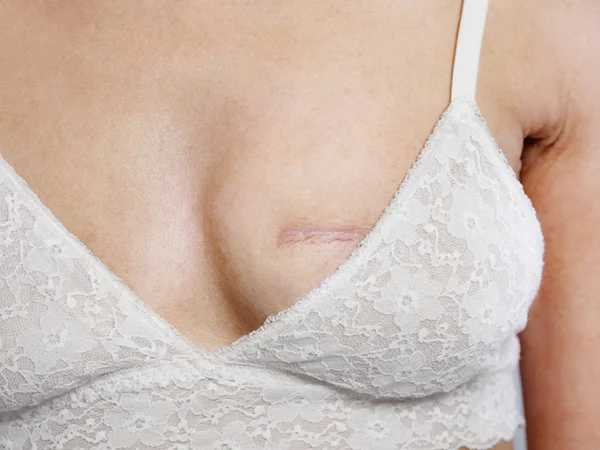

Autologous Breast Reconstruction
Autologous breast reconstruction uses your own breast tissue from another part of your body to rebuild the breast. Since the reconstruction consists of natural tissue, many women appreciate the softer feel and more natural movement.
This method is also called “autologous reconstruction”, and it usually transfers fat and skin from the:
- Abdomen
- Thighs
- Buttocks
Unlike implants, the reconstructed breast changes naturally with fluctuations in body weight because it contains living tissue. These procedures require microsurgical expertise, as plastic surgeons reconnect tiny blood vessels to restore healthy blood circulation. Successful restoration depends on maintaining an excellent blood supply throughout the transferred tissue.
The DIEP Flap Procedure
Among modern tissue-based techniques, the “DIEP flap” has become one of the most advanced options available. DIEP stands for “deep inferior epigastric perforator”, referring to the specific blood vessels supplying tissue taken from the lower abdomen.
During this surgery, plastic surgeons carefully separate fat and skin while preserving the abdominal muscles. The tissue is then transferred to the chest, where the deep inferior epigastric perforator vessels are anastomosed to the chest vessels using microsurgical techniques.
Because the abdominal muscles remain intact, you may experience greater core strength compared with older flap procedures that removed muscle. The transferred tissue creates a soft breast mound that closely resembles a natural breast.
Artery Perforator Flap Reconstruction
Another advanced microsurgical option involves the “artery perforator flap”, which transfers tissue while preserving muscle function. Like the DIEP procedure, this technique focuses on maintaining a healthy blood supply through carefully selected perforating arteries.
Plastic surgeons harvest skin and fat supplied by specific perforator arteries and reconnect those vessels in the chest. Preserving muscle generally results in reduced weakness and improved recovery while producing a natural-looking reconstructed breast.
If you have sufficient donor tissue, you may benefit from this muscle-preserving option when implant reconstruction is not ideal.
Flap Reconstruction Options
Flap reconstruction includes several surgical techniques beyond abdominal tissue transfer. Tissue may come from the thighs, back, or buttocks, depending on body type and previous surgeries.
Each flap reconstruction method depends on maintaining a healthy blood supply after tissue transfer. Plastic surgeons carefully select donor sites based on four aspects:
- Available tissue
- Existing scars
- Circulation
- Desired breast size
Although these procedures take longer than implants, many women appreciate the soft appearance and natural feel that living tissue provides.
Nipple Reconstruction & Final Refinements
After the breast heals, additional procedures may improve appearance and symmetry. Nipple reconstruction recreates the nipple using local skin or medical tattooing techniques.
Some women also choose tattooing to recreate the areola with realistic coloring. Fat grafting may refine contour irregularities and improve fullness around the breast mound. These finishing procedures complete many breast reconstruction procedures, producing a more realistic appearance.
How Radiation Therapy Influences Reconstruction
Previous radiation therapy generally plays a game-changing role when selecting reconstruction methods. Radiation changes circulation, skin elasticity, and healing capacity, which can influence surgical planning.
- Some patients undergo delayed reconstruction after completing breast cancer treatment.
- Others receive immediate reconstruction combined with future treatments.
Tissue-based reconstruction often performs better in heavily irradiated tissue because the transferred tissue brings fresh circulation and a healthy blood supply to the chest.
The treatment history of every patient differs, and that’s why making individualized surgical planning extremely important.
Recovery After Breast Reconstruction Surgery
Recovery following reconstruction surgery depends on the specific procedure performed. Implant reconstruction generally involves a shorter hospital stay and fewer surgical sites, while tissue-based reconstruction requires healing in both the breast and donor area.
Patients should understand that rebuilding the breast often occurs in stages, particularly when tissue expansion, revision procedures, or nipple reconstruction are part of the treatment plan.
Choosing The Right Breast Reconstruction Procedure
Selecting among available breast reconstruction procedures involves balancing medical history, body type, previous surgeries, future cancer treatments, and personal expectations. Women undergoing breast cancer surgery frequently meet with both their breast surgeon and reconstructive surgeon before treatment begins.
Conclusion
Modern surgical techniques and options for breast reconstruction continue to expand, giving patients more choices than ever before. From implant reconstruction using a tissue expander and breast implant to sophisticated DIEP flap, artery perforator flap, and other autologous breast reconstruction techniques, today’s procedures recreate a natural-looking breast shape while respecting each patient’s medical needs. Working with an experienced reconstructive surgeon makes every stage of breast reconstruction surgery easier to understand and supports informed decision-making throughout recovery.
Schedule A Consultation With Jim Brantner, MD
Considering Breast Reconstruction? Schedule a consultation with Jim Brantner, MD, to discuss your surgical options. The practice offers advanced cosmetic and reconstructive procedures, including Breast Augmentation, Breast Reconstruction, Breast Lift, Breast Reduction, Mommy Makeover, Liposuction, Tummy Tuck, Body Contouring, Upper Arm Contouring, Thigh Lifts, Fat Injections, and Botox®.
Call today to schedule your consultation and learn more about available surgical options.
Frequently Asked Questions
Q1: What questions should you ask about breast reconstruction?
A: Ask about your reconstruction options, possible risks, recovery time, expected appearance, surgical stages, and how previous breast cancer treatment may influence your results.
Q2: What are the new breast reconstruction techniques?
A: Modern techniques include the DIEP flap, artery perforator flap, advanced microsurgery, fat grafting, and better implant-based reconstruction methods.
Q3: Will reconstruction look natural?
A: Many patients get a natural-looking result, especially with autologous breast reconstruction, which uses the body’s own tissue to recreate the breast.
Q4: Do I need to wear a bra after breast reconstruction?
A: Most patients wear a supportive surgical bra during recovery. Your plastic surgeon will explain when regular bras can be worn again.
Q5: How many hours is breast reconstruction surgery?
A: The procedure may take 2 to 8 hours, depending on the type of reconstruction and the complexity of the surgery.
Q6: What material is used in breast reconstruction?
A: Reconstruction may use silicone or saline implants, or your own tissue and fat. Jim Brantner, MD, discusses these options with patients in Johnson City to determine the most appropriate reconstruction plan.


What Our Paients Are Saying About Us..

I had BR surgery 2months ago, I had the anchor procedure. I had absolutely no problems at all, no pain, very little swelling and the results are amazing, with the added bonus that my back , neck, and shoulders no longer hurt. Even at just 2months my scars are hardly noticeable. I would recommend Dr Brantner to anyone , he and his staff are wonderful . I could not have had a better experience.
I highly recommend Dr. Brantner to any woman that wants a breast augmentation. I'm very pleased with my results. they look amazing and feel wonderful. If I ever need anything done in the future, I will sure be back to see Dr. Brantner. Thank you so much for taking good care of me!
Dr. Brantner and his associates are all amazing! They are very kind, smart, and honest people I highly recommend Dr. Brantner. They took great care of me and my needs from start to finish.
friendly and he takes time to answer any questions I may have and was even so kind as to take a phone call from me and he alleviated all concerns in a kind, gentle manner. Dr. Brantner and his staff were absolutely fantastic!!!!!! They made me feel soooooo comfortable before and after surgery. I highly recommend him to anyone looking to have a breast reduction.
Dr. Brantner is a highly skilled surgeon. I am so happy that I decided to go to him. After being in a car accident my nasal bones and surrounding bones had to be reconstructed. The first surgeon who worked on me did a terrible job and had zero bedside manner. That is when I sought out Dr. Branner, he not only did an amazing job fixing everything the first Doctor messed up, he also made it look better than it did originally. I would highly recommend him to anyone.
testimonials
I went to Dr Brantner for reconstruction revision. I'm very, very pleased with the results. The staff were wonderful. I can't thank them enough for taking care of my surgery and making me feel and look so much better!!! I would highly recommend Dr Brantner.
Great surgeon! Every employee in the office is wonderful and helpful. I have nothing but great things to say about Dr Brantner, Win, and all of the staff.