


Breaking Down the Full Body Liposuction Procedure
For many, localized fat deposits can be frustrating. And for good reason, this stands in the way of achieving their fitness goals. This is where liposuction comes in, and the idea of a “full body” procedure can be particularly intriguing. But what does understanding the process of full-body liposuction really entail?
It’s not a magic weight loss solution or a way to treat obesity. It’s a cosmetic procedure that has helped millions achieve their aesthetic goals. We’ll explore the different liposuction techniques, the fat removal process, and what you can realistically expect from the liposuction results. Read on!
What Is a Liposuction Procedure?
The primary goal is: Target stubborn fat that doesn’t respond to traditional diet and exercise.
Ideal candidates are typically at or near a stable weight but struggle with fatty bulges in areas like the abdomen, thighs, arms, or back. Patients exploring comprehensive body contouring options in the region often research Abingdon plastic surgery to better understand available surgical techniques and personalized treatment planning.
The fundamental process involves making small incisions in the skin and inserting a thin tube called a cannula. This hollow tube, called a cannula, is used to break up and suction out fatty tissue. While this sounds straightforward, modern liposuction has evolved significantly.
If you’re wondering how much fat can be safely removed during the procedure, check out our article on how much fat can be taken out.
Modern Day Liposuction Techniques
If you want to speed up your recovery post-liposuction, our guide on how to speed up facelift recovery may offer some helpful tips. Now, let’s look at the main types of liposuction.
Tumescent and Suction-Assisted Liposuction (SAL)
The tumescent technique involves injecting a large volume of medicated solution into the targeted fatty tissue before the fat removal process begins. This solution contains:
- Local Anesthesia
- Epinephrine
- An IV Salt Solution
Dr. Brantner selects techniques based on tissue density, skin quality, and the patient’s overall goals. Once the solution takes effect, the surgeon performs suction-assisted liposuction (SAL) by inserting the cannula and moving it back and forth to break up the fat cells, which are then suctioned out. For insights on how long it takes to heal after cosmetic procedures, check out our article on how long breast implants take to heal.
Power-Assisted Liposuction (PAL)
This thin tube vibrates rapidly, which helps to break up tough fatty tissue more easily. For surgeons, this means less manual effort is required. For patients, the benefits can include a faster procedure and potentially less swelling and discomfort. Think of it as an efficiency upgrade.
Ultrasound-Assisted Liposuction (UAL)
Ultrasound-assisted liposuction (UAL), also known as ultrasound-assisted lipoplasty, takes a high-tech approach. This technique uses a cannula that emits ultrasound energy to liquefy fat cells. Once the fat is melted, it’s easily suctioned out.
Why choose UAL? It’s particularly effective for dense, fibrous areas of the body, like the back or male chest. Because it targets fat cells more precisely, it helps preserve the surrounding tissues. This precision can lead to smoother liposuction results and is often used for high-definition contouring.
For more on how compression can assist in your recovery, read about why compression after plastic surgery is essential.

Laser-Assisted Liposuction (Laser Liposuction)
A tiny laser fiber is inserted through a small incision, and the laser energy is delivered directly to the fatty tissue. One of the most talked-about advantages of laser liposuction is its potential for skin-tightening benefits.
The laser energy heats the underlying layers of the skin, which can stimulate collagen production. This may result in firmer, tighter skin in the treated area, making it a good option for patients with mild skin laxity. If you’re interested in other skin rejuvenation treatments, explore our guide on chemical peels for anti-aging.
The Full Body Liposuction Surgery
When people refer to “full body liposuction,” they are usually talking about having multiple areas of the body treated during a single surgical procedure. It’s not about removing fat from every square inch of the body. There’s a limit to how much fat can be safely removed in one session.
Dr. Jim Brantner, M.D., follows strict surgical guidelines to ensure fat removal stays within safe limits. On the day of the liposuction surgery, you will be given anesthesia. This could be local anesthesia with intravenous sedation or general anesthesia.
- Incisions: The surgeon makes very small incisions, often hidden in natural skin creases.
- Fat Emulsification: Depending on the technique, the fat cells are either broken up manually (SAL), vibrated apart (PAL), or liquefied with ultrasound or laser energy.
- Suction: The dislodged or liquefied fat is then suctioned out through the cannula. The surgeon skillfully moves the cannula to remove the excess fat deposits and sculpt an ideal body contour.

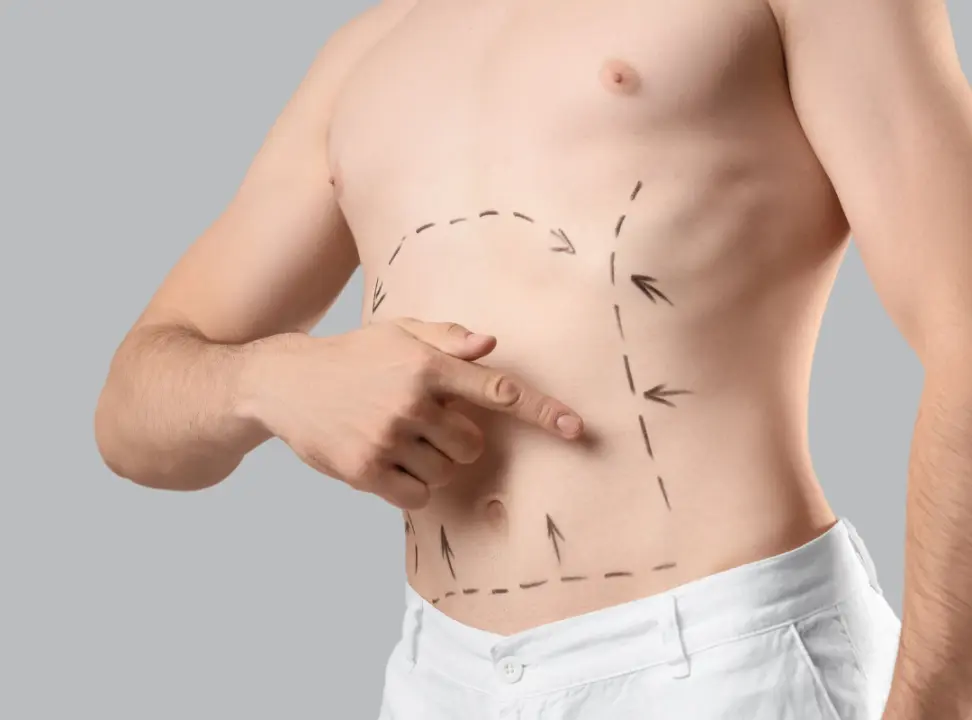
The entire body contouring procedure can take several hours, depending on how many areas are being treated. For a comparison of body-contouring procedures, see our article on the best types of breast implants for augmentation.
Final Thoughts
Yes, it’s a powerful process for reducing excess fat and achieving a body shape that reflects your hard work and healthy habits. There are more options than ever to customize the procedure to your needs.
Remember, this is a surgical journey. It requires a commitment to a healthy lifestyle to maintain your results. If you’re ready to take the next step, a consultation with Dr. Jim Brantner, a plastic surgeon in Greeneville, can help you determine if this transformative procedure is the right path for you.
Planning Your Full-Body Liposuction with Dr. Jim Brantner, MD
Recovering from full-body liposuction raises one question for almost every patient: how long will it really take, and am I healing the right way? Swelling, activity limits, and body changes can feel overwhelming without clear medical guidance. Dr. Jim Brantner, MD, works closely with patients to set realistic recovery timelines, manage post-procedure expectations, and support safe healing from day one.
Apart from liposuction, his practice also offers breast augmentation, cosmetic surgery consultations, and personalized post-operative care plans designed around long-term results. If you want expert oversight from consultation through recovery, schedule your consultation or contact us today and take the next step with confidence in your care.
Frequently Asked Questions
How painful is full-body liposuction by Jim Brantner?
Discomfort is expected, but pain is managed effectively. The tumescent fluid used contains a local anesthetic. After the procedure, soreness is often described as similar to a deep muscle ache. For more on recovery timelines from cosmetic procedures, refer to our article on how long it takes to recover from rhinoplasty.
What is the process of liposuction?
Can you liposuction your entire body?
How long does it take to recover from full-body liposuction by Jim Brantner?


What Our Paients Are Saying About Us..

I had BR surgery 2months ago, I had the anchor procedure. I had absolutely no problems at all, no pain, very little swelling and the results are amazing, with the added bonus that my back , neck, and shoulders no longer hurt. Even at just 2months my scars are hardly noticeable. I would recommend Dr Brantner to anyone , he and his staff are wonderful . I could not have had a better experience.
I highly recommend Dr. Brantner to any woman that wants a breast augmentation. I'm very pleased with my results. they look amazing and feel wonderful. If I ever need anything done in the future, I will sure be back to see Dr. Brantner. Thank you so much for taking good care of me!
Dr. Brantner and his associates are all amazing! They are very kind, smart, and honest people I highly recommend Dr. Brantner. They took great care of me and my needs from start to finish.
friendly and he takes time to answer any questions I may have and was even so kind as to take a phone call from me and he alleviated all concerns in a kind, gentle manner. Dr. Brantner and his staff were absolutely fantastic!!!!!! They made me feel soooooo comfortable before and after surgery. I highly recommend him to anyone looking to have a breast reduction.
Dr. Brantner is a highly skilled surgeon. I am so happy that I decided to go to him. After being in a car accident my nasal bones and surrounding bones had to be reconstructed. The first surgeon who worked on me did a terrible job and had zero bedside manner. That is when I sought out Dr. Branner, he not only did an amazing job fixing everything the first Doctor messed up, he also made it look better than it did originally. I would highly recommend him to anyone.
testimonials
I went to Dr Brantner for reconstruction revision. I'm very, very pleased with the results. The staff were wonderful. I can't thank them enough for taking care of my surgery and making me feel and look so much better!!! I would highly recommend Dr Brantner.
Great surgeon! Every employee in the office is wonderful and helpful. I have nothing but great things to say about Dr Brantner, Win, and all of the staff.