

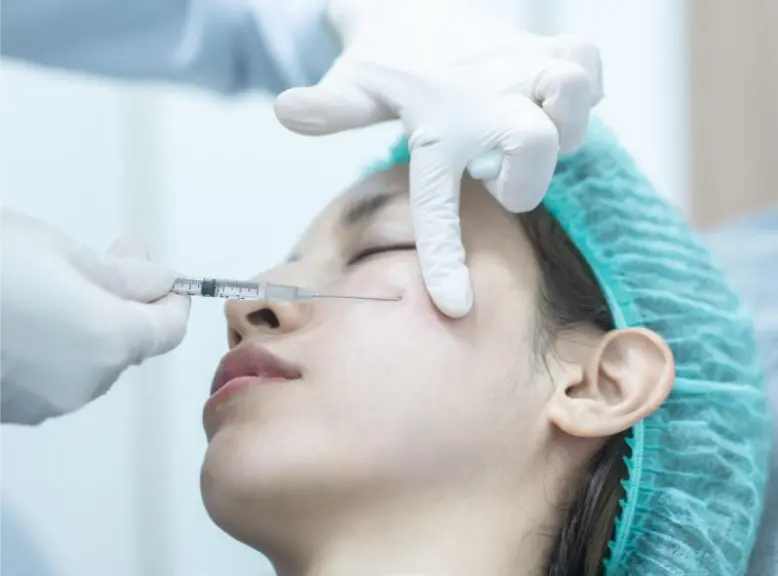
Which Injectable Fillers Work Best for Deep Facial Creases?
Creams and serums are good for skin texture, but when it comes to volume loss and structural changes, they are not enough. This is where dermal fillers come in. Injectable treatments can smooth out deeper lines and restore volume without surgery.
But with so many options, how do you know which injectable fillers work best for deep facial creases? The right answer depends on your facial anatomy and expected results. Dr. Brantner evaluates bone structure, skin elasticity, and volume loss patterns before recommending any injectable. So, let’s break down the heavy hitters in the world of soft tissue fillers and find the right solution for you.
How Dermal Fillers Work on Deep Creases
Deep facial creases like nasolabial folds (the lines from nose to mouth) or marionette lines (from mouth to chin) are kind of stubborn.
They are usually caused by lost volume and decreasing skin elasticity. Why? As we age, our natural collagen production slows down, and the fat pads in our face shrink.
So, how do fillers work? They don’t just “fill” a line like spackle on a wall. Modern dermal filler treatment is about volume restoration. By adding volume deep beneath the skin, these gel-like substances lift the tissue.
Patients researching comprehensive facial rejuvenation options in the region often explore Greeneville plastic surgery to better understand advanced injectable and structural treatment solutions available nearby.
Hyaluronic Acid Fillers
When people talk about fillers, they are usually talking about Hyaluronic Acid (HA). This is a naturally occurring substance found in your skin that helps retain moisture and keep things plump.
For deep facial wrinkles and folds, you need a thicker, more robust hyaluronic acid filler. A thin filler meant for the upper lip won’t have the lifting power needed for deep nasolabial folds. For more on how injectable fillers can improve specific areas, like smile lines, check out injectable fillers for correcting smile lines.
Here are some options for HA Fillers:
- Juvéderm Voluma & Ultra Plus: These are designed for deep injection. They have a thicker consistency, making them perfect for lifting hollow cheeks and smoothing deep brackets around the mouth.
- Restylane Lyft: specifically formulated to add lift and volume. It’s FDA-approved for adding volume to the cheeks and correcting age-related midface contour deficiencies, which naturally pulls up deep lower-face lines.

Calcium Hydroxylapatite
Calcium Hydroxylapatite (CaHA) is a heavier, more viscous filler. It is found naturally in human bones, so it’s biocompatible. For a comparison on the healing times of various cosmetic procedures, see how long breast implants take to heal.
The most famous brand here is Radiesse.
How it Works:
When injected, the gel provides instant results, filling the volume immediately. But the real magic happens over time. The CaHA particles act as a scaffold that stimulates collagen production.
Best for:
- Deep nasolabial folds.
- Deep marionette lines.
- Jawline contouring.
- Hand rejuvenation (to hide tendons and veins).
Because it is thicker, it provides substantial lift and long-lasting results, typically lasting a year or more. However, unlike HA, it cannot be dissolved, so finding an experienced injector is crucial. With a surgical background and deep knowledge of facial anatomy, Dr. Brantner approaches CaHA placement with precision and conservative dosing.
Poly-L-Lactic Acid
Poly-L-Lactic Acid (PLLA) is a synthetic, biodegradable substance that has been used in medical devices (like dissolvable stitches) for decades. In the aesthetic world, it’s known as Sculptra Aesthetic. For more on post-procedure care and how compression helps after treatments like Sculptra, check out why compression after plastic surgery is essential.
Sculptra is technically a collagen stimulator rather than a traditional line filler. It doesn’t give you that “instant gratification” of HA fillers. Instead, it works gradually.
The Process:
- You typically need a series of treatment sessions (usually 3 injections spaced over a few months).
- The PLLA micro-particles are injected deep into the dermis.
- Over time, your body responds by producing new, natural collagen.
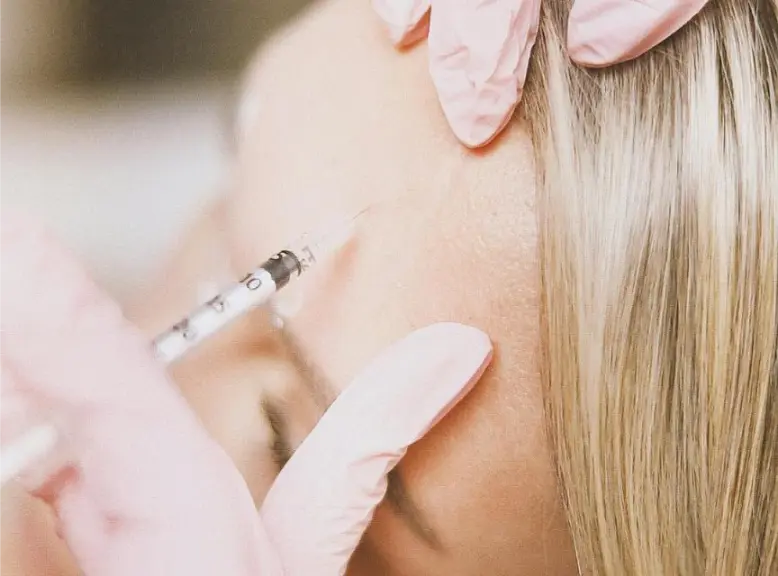
Treating Specific Lines & Wrinkles
Here is a quick guide on what works where:
Nasolabial Folds (Smile Lines)
These deep creases running from the nose to the corners of the mouth are a common concern. A robust HA filler or Calcium Hydroxylapatite works best here to soften the shadow without making the area look puffy. To learn how injectable fillers can provide a non-surgical facelift, read more in our article on non-surgical facelifts.
Frown Lines (The “11s”)
While Botox is the first line of defense for these vertical lines between the eyebrows, deep, etched-in frown lines might need a soft touch of filler after the muscles have been relaxed. Caution is key here due to the blood vessel complexity in the forehead.
Marionette Lines
These lines run from the mouth to the chin and can make you look unhappy. Structural support with a firm filler helps turn that frown upside down—literally.
Hollow Cheeks
Volume loss in the cheeks contributes to sagging skin lower down. Restoring volume here with Voluma or Sculptra often lifts the lower face, indirectly improving nasolabial folds.
What to Expect During Filler Treatment
So, you’ve chosen the right filler. What happens on treatment day?
First, your provider will review your medical history to ensure you are a good candidate. They will map out the treatment area and likely apply a numbing cream or use a local anesthetic to minimize discomfort. Most modern fillers also contain lidocaine (a numbing agent) within the gel itself, so the injections involve only mild discomfort.
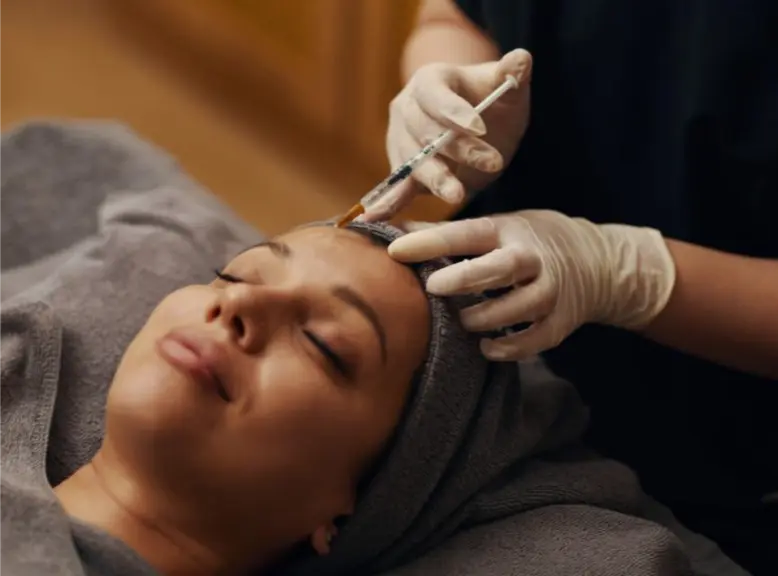
The actual injection process takes about 15 to 30 minutes. You might experience some swelling, redness, or bruising at the injection sites, but these typically subside within a few days.
Pro tip: Avoid blood thinners (like aspirin or alcohol) for a few days before your appointment to reduce the risk of bruising. For tips on speeding up recovery after facial procedures, including fillers, see our guide on how to speed up facelift recovery.
Final Thoughts
Deep facial creases don’t have to define your look. Whether you opt for the immediate results of hyaluronic acid, the structural power of calcium hydroxylapatite, or the long-term collagen building of Sculptra, there is a solution to help you look as young as you feel.
The most important step? Consultation. An experienced injector will assess your skin elasticity, volume loss, and bone structure to recommend the exact cocktail of treatments for natural-looking results.
If you’re comparing aesthetic providers and treatment options across the area, learning more about Abingdon breast surgery services can also help you understand the full scope of cosmetic procedures offered within the practice.
Considering Dermal Fillers? Start with an Expert Consultation
If you’ve read this far, you already understand that dermal fillers aren’t a one-size-fits-all beauty treatment. They’re medical procedures that require experience, precision, and honest judgment. That’s exactly what you’ll find at Jim Brantner M.D Plastic and Reconstructive Surgery.
Dermal fillers can be incredibly effective for restoring lost volume, softening deep lines, and enhancing facial contours when they’re used thoughtfully and safely. And if fillers aren’t the right choice for you right now, you’ll be told that honestly.
If you’re considering injectable fillers and want expert guidance you can trust, now is the time to book a consultation. Contact Jim Brantner, M.D., today.
Frequently Asked Questions
Will fillers work on deep wrinkles?
What is the best filler for deep lines?
For immediate results on deep lines, Jim Brantner, MD recommends Calcium Hydroxylapatite (Radiesse) or robust Hyaluronic Acid fillers (like Juvéderm Ultra Plus) are often considered the best. If you’re looking to choose the best treatment for your needs, learn more about the best types of breast implants for augmentation.
What is the best injection by Jim Brantner, MD, for face wrinkles?
What is the best filler for deep frown lines?


What Our Paients Are Saying About Us..

I had BR surgery 2months ago, I had the anchor procedure. I had absolutely no problems at all, no pain, very little swelling and the results are amazing, with the added bonus that my back , neck, and shoulders no longer hurt. Even at just 2months my scars are hardly noticeable. I would recommend Dr Brantner to anyone , he and his staff are wonderful . I could not have had a better experience.
I highly recommend Dr. Brantner to any woman that wants a breast augmentation. I'm very pleased with my results. they look amazing and feel wonderful. If I ever need anything done in the future, I will sure be back to see Dr. Brantner. Thank you so much for taking good care of me!
Dr. Brantner and his associates are all amazing! They are very kind, smart, and honest people I highly recommend Dr. Brantner. They took great care of me and my needs from start to finish.
friendly and he takes time to answer any questions I may have and was even so kind as to take a phone call from me and he alleviated all concerns in a kind, gentle manner. Dr. Brantner and his staff were absolutely fantastic!!!!!! They made me feel soooooo comfortable before and after surgery. I highly recommend him to anyone looking to have a breast reduction.
Dr. Brantner is a highly skilled surgeon. I am so happy that I decided to go to him. After being in a car accident my nasal bones and surrounding bones had to be reconstructed. The first surgeon who worked on me did a terrible job and had zero bedside manner. That is when I sought out Dr. Branner, he not only did an amazing job fixing everything the first Doctor messed up, he also made it look better than it did originally. I would highly recommend him to anyone.
testimonials
I went to Dr Brantner for reconstruction revision. I'm very, very pleased with the results. The staff were wonderful. I can't thank them enough for taking care of my surgery and making me feel and look so much better!!! I would highly recommend Dr Brantner.
Great surgeon! Every employee in the office is wonderful and helpful. I have nothing but great things to say about Dr Brantner, Win, and all of the staff.