
Nov 15, 2024 | Breast
Breast reduction procedure is a big decision, and it’s totally normal to have some questions or concerns. Your consultation with a board-certified plastic surgeon is an important step in getting the needed information and feeling fully prepared and satisfied. To help you make the most of this meeting, here are some questions essential to consider asking. In this blog, we will tell you the most important 10 questions to ask at the best reduction consultation from your cosmetic or plastic surgeon.
Am I a Good Candidate for Breast Reduction Surgery?
Are you considering breast reduction surgery? It’s super important to figure out if it’s the right choice for you or not. Your plastic or cosmetic surgeon will look at your medical history, current health, and any symptoms you may have due to large breasts, like skin irritation, neck pain, and shoulder pain. They’ll also consider things like the amount of extra breast tissue, your breast size, and any issues you may have had with breast cancer. It’s the real deal to understand if you’re a good candidate before deciding to go ahead with the breast reduction procedure.
How Much Breast Tissue Will Be Removed?
Understanding how much breast tissue will be removed during the surgery is a ginormous deal. The amount of tissue removed will directly affect your post-surgery breast size and results. This question helps set realistic expectations and confirm that the outcome aligns with your goals. Your cosmetic surgeon will also consider factors like your body proportions and any existing breast cancer risks when determining the right amount of tissue to remove.
What Will My Recovery Process Be Like?
Recovery is a critical phase after breast reduction surgery. Ask your doctor about the expected recovery time, including when you can return to work, resume normal activities, go to the gym, do sports, etc. Discuss the types of prescription medications you might need, like pain medication, and whether any physical therapy will be needed to help you heal.
Your plastic surgeon should also provide guidance on how to care for your breast reduction scars to minimize their appearance. Discuss openly about everything and don’t hesitate because consultation is the right time to get clear about your concerns and fears about breast reduction surgery. So, take your time and ask as many questions as you want.
What Are the Benefits & Risks of Breast Reduction Surgery?
While breast reduction can reduce discomfort and improve your body image, it’s super important to understand the benefits and potential risks. Ask your plastic surgeon to explain how the procedure will fix your symptoms, like shoulder pain and neck pain, and how it may improve your quality of life. On the flip side, it’s also highly important to discuss potential risks, such as changes in nipple sensation, breast reduction scars, or complications related to pain medication.
What Should I Expect During the Procedure?
Having a clear understanding of what the breast reduction procedure entails is also crucial. Ask your plastic surgeon to walk you through each step, from the physical examination to the actual breast surgery and the immediate recovery time. This should include details about the duration of the surgery, the type of anesthesia used, and how the plastic surgeons will manage the removal of excess breast tissue.
A reputable plastic surgeon and his team will always answer these concerns in detail so that you are satisfied and mentally prepared for the surgery.
How Will My Scars Look After Surgery?
Breast reduction scars are inevitable, but their appearance can vary depending on the surgical technique your plastic surgeon uses. Ask your plastic or cosmetic surgeon where the incisions will be made, the likely appearance of the scars, and what you can do to promote healing. Understanding this aspect of the procedure helps you feel more prepared for the post-operative results.
What Are My Options for Post-Surgery Breast Shape?
Many women today who are considering breast reduction surgery are also interested in improving the overall shape of their breasts. This includes a breast lift to enhance the results. Ask your plastic surgeon during the consultation time about the possibility of combining a breast lift with breast reduction plastic surgery and how this might affect your final outcome. This combination will help achieve a more youthful and balanced breast shape.
How Will Breast Reduction Surgery Affect Nipple Sensation?
Changes in nipple sensation might be one of the side effects of breast reduction surgery. Some women may experience temporary or permanent changes in sensitivity, depending on the extent of the breast surgery and the techniques used. You must discuss this with your plastic surgeon so you understand the potential results and can weigh them against the benefits of the procedure.
How Can I Learn More About Your Experience & Results?
Finally, you must always evaluate the experience and qualifications of your plastic or cosmetic surgeon and his team. Ask how many breast reduction procedures and surgeries they have performed and request to see before-and-after photos of previous patients because this will give you the best idea of their skill level and expertise.
You must also inquire if they have patient testimonials or if you can read reviews on the plastic surgeon’s website. Knowing that your surgeon is reputable and highly experienced can provide mental peace as you move forward with your breast reduction consultation.
Will My Insurance Cover Breast Reduction Surgery?
Since breast reduction surgery is often performed to reduce physical discomfort caused by large breasts size, it may be covered by insurance. However, the insurance coverage varies by insurance provider and policy.
Ask your plastic surgeon’s office if they can assist with insurance verification and what documentation you’ll need to submit to them. This generally includes an official letter from your primary care physician or evidence of prior treatments, such as prescription medications or physical therapy, that were attempted before going for surgery.
Conclusion
A breast reduction consultation is a real game changer. By asking these questions, you can confirm that you are fully informed and prepared for breast reduction surgery. This helps in making the right decisions but also in setting realistic expectations. Remember, working with a board-certified plastic surgeon is the key to achieving the best results and minimizing risks.
Take your time to think and ask the right questions, and choose a reputable, experienced plastic surgeon clinic that understands your goals and can provide the care and expertise you deserve. Keep writing down the questions you have in your mind so that you don’t forget them when you are in consultation with your plastic surgeon. Make the final decision after you are fully satisfied and mentally prepared for the breast reduction surgery.
Call Jim Brantner, MD, for an Expert Breast Reduction Surgery
If you’re considering breast reduction surgery and want to work with experienced and skilled plastic surgeons, reach out to Dr. Jim N. Brantner today. We take pride in our expertise and have a long list of happy clients.
In addition to breast reduction, we also specialize in facial rejuvenation, breast procedures including augmentation and implants, body lifts, tummy tucks, and liposuction, advanced anti-aging solutions, skincare treatments, laser-based rejuvenation treatments, laser therapies, and more. Contact us today to schedule a consultation.
Oct 10, 2024 | Tummy Tuck
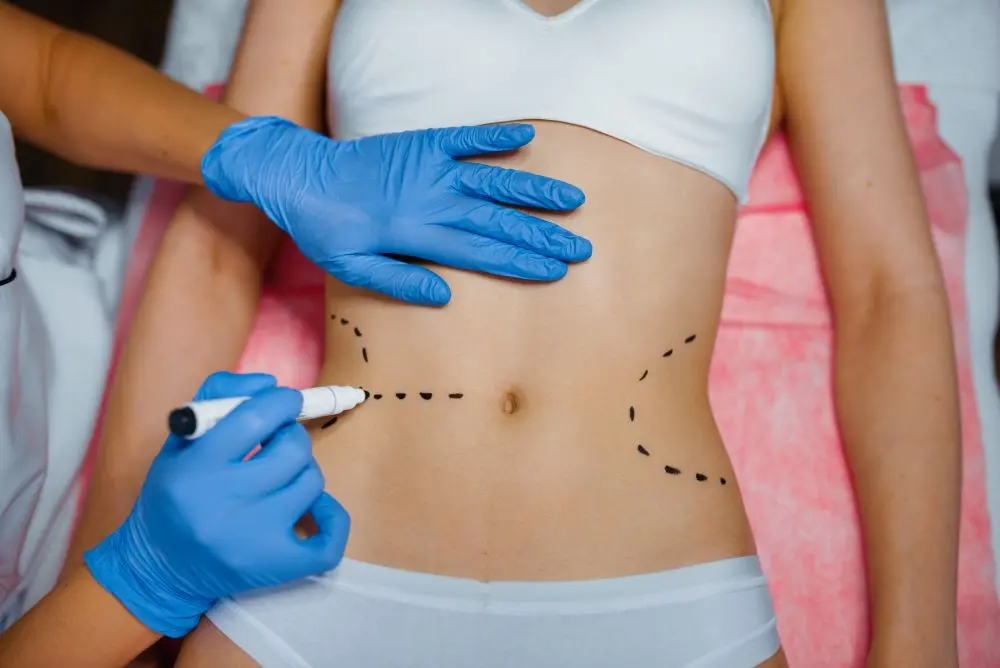
Getting a tummy tuck is an important step towards achieving a flatter, more toned abdomen. However, you must keep in mind that the journey doesn’t end with the surgery. Taking care of yourself after the tummy tuck, especially when it comes to your diet, plays a game-changing role in your recovery and the lasting impact of your results. Being proactive and mindful of what you eat after a tummy tuck can greatly affect how well you heal, recover quickly, and maintain your new figure. In this blog, let’s go over what to eat after a tummy tuck!
Understanding the Tummy Tuck Procedure
A tummy tuck is removing excess fat and skin from your abdomen and, in some cases, restoring weakened muscles to create a firmer abdominal profile. While the surgery can provide satisfying results, the post-surgery period is very critical. During this time, your body needs the right nutrients to heal and recover. Therefore, you should have the right information related to the food you eat after the tummy tuck procedure.
The Importance of Post Tummy Tuck Diet
Going through a tummy tuck surgery can put a lot of stress on your body. It’s a big deal to support healing with the right tummy tuck diet. This diet should provide the nutrients your body needs to promote tissue repair, reduce inflammation, and help manage any swelling or discomfort.
What Should You Eat After a Tummy Tuck Surgery?
In the days and weeks following your tummy tuck, you must focus on a diet that supports your body’s healing process. A diet rich in protein is particularly beneficial, as protein is super essential for tissue repair.
Fresh Fruits & Vegetables
Fresh vegetables and fruits should be a staple in your after-tummy tuck diet. These foods are rich in minerals, antioxidants, and vitamins that reduce inflammation and support immune function. Vitamin C, found in strawberries, citrus fruits, and bell peppers, is important for tissue healing and collagen production.
Lean Protein
Add lean proteins such as fish, chicken, beef, turkey, eggs, and tofu into your meals. Protein shakes are also a convenient way to increase your protein intake, especially if your appetite is reduced post-surgery.
Whole Grains
Eating whole grains and whole grain cereals is also important in a healthy diet after tummy tuck surgery. Foods like oats, brown rice, quinoa, and whole wheat bread provide complex carbohydrates that give your body the energy it needs to heal. They also prevent constipation, a common issue after tummy tuck surgery due to pain medication and decreased activity levels.
Maintaining Healthy Eating Habits for Long-Term Results
Once you’ve recovered from your tummy tuck procedure, maintaining healthy eating habits is super important for preserving your results. Yes, the tummy tuck removes excess skin and fat, but the remaining fat cells can still expand if you put on more weight, potentially diminishing your results.
A perfectly balanced diet rich in lean proteins, fresh fruits, whole grains, and vegetables, combined with regular exercise or any physical activity, can help you maintain your new figure.
Adding these healthy habits and diets to your lifestyle also prevents the accumulation of excess fat and keeps your body in the best condition. The main key is to focus on whole, nutrient-dense foods that support your health and help you feel your best.
Herbal Supplements After Tummy Tuck
Turning to herbal supplements as part of a post-surgery regimen is also very beneficial, but it’s important to approach these with caution.
While certain supplements support healing, others could interfere with your recovery after surgery or interact with medications. It is best to always consult your cosmetic or plastic surgeon before adding any supplements to your diet after tummy tuck surgery.
Managing Appetite & Cravings After Tummy Tuck Surgery?
It’s highly important to eat small, healthy meals after tummy tuck surgery to help your body heal and stay full. you must always avoid overeating and try to snack on nuts, fruits, and Greek yogurt instead of unhealthy foods.
Sometimes, we confuse dehydration with hunger; therefore, we drink plenty of water, juice, or tea to stay hydrated and reduce cravings. Eating balanced meals with whole grains, lean meats, vegetables, and fresh fruits will help you feel better and heal faster.
Importance of Hydration in Post-Tummy Tuck Recovery
Hydration is a make or break in the recovery process after a tummy tuck. Water intake reduces swelling, promotes proper circulation, and helps your body flush out toxins, which is essential for healing.
Drinking water and staying well-hydrated also support your body’s natural repair mechanisms, helping in tissue regeneration and reducing the risk of complications like blood clots.
Apart from this, hydration maintains skin elasticity, which enhances the results of your tummy tuck. As your body heals, drinking plenty of water and fresh juices and avoiding dehydrating beverages like alcohol and caffeine can improve your recovery.
Final Thoughts
After a tummy tuck, your cosmetic or plastic surgeon will emphasize the importance of a post-tummy tuck diet that supports your body’s recovery. You must avoid processed foods as they can hinder the recovery process. Instead, focus on a protein-rich diet with plenty of leafy greens, raw fruits, and chia seeds.
On top of that, steering clear of fatty and greasy foods, salty foods, and sugary foods is also super important for your health. Choose low-fat meals that nourish your body and help you transition smoothly back to a regular diet.
Remember to get in touch with your doctor to learn about other preventive measures after the tummy tuck procedure. Always prioritize your health, and remember that the food you eat plays a huge role in maintaining good health. Stay proactive, gather all the necessary information, and strive to eat as healthily as possible.
Call Jim Brantner, M.D., for Tummy Tuck & More
Get ready for a transformation! If you’re dreaming of a tummy tuck or any other cosmetic procedure, get in touch with Dr. Jim Brantner, M.D. Our expertise covers everything from breast lifts, breast augmentations, and breast reductions to facial rejuvenation, body lifts, and more.
Our advanced anti-aging treatments, skincare solutions, and laser therapies help you look and feel your best. Whether you’re considering Botox, a rhinoplasty, or a mommy makeover, you can count on us. Take the first step toward a new you by reaching out to us via email or giving us a call at (423) 328-9000. Let’s make your transformation a reality. Call us today!

Sep 25, 2024 | Cosmetic Surgery
Navigating the world of eyelid procedures can be a daunting task. Many patients who consider eyelid procedures don’t end up getting it due to the lack of information and the misinformation surrounding eyelid procedures. Hence, we have come up with this information about everything you need to know about eyelid surgery before you get started. Continue reading to understand eyelid surgery better!
Understanding Eyelid Procedures
The procedure of eyelid surgery generally depends on whether it is the upper or lower eyelid. For upper eyelid surgery, the surgeon makes an incision along the fold of your eye and then removes excess skin and fat before closing the incision. However, for lower eyelid surgery, the surgeon makes the cut right below the lashes according to your eye’s natural crease and then removes the excess fat and skin.
If you are seeking eyelid procedures, look no further than Jim Brantner, MD; they have the most experienced doctors. Regain your confidence with Jim Brantner, MD!
Preparing for Eyelid Surgery
Before the surgery, you would have to get a medical evaluation by your doctor to see if you are the right candidate. Next, you would have to take or adjust existing medicine before the surgery. Additionally, you would have to stop smoking or vaping well in advance to promote a healthy recovery. Moreover, doctors recommend that you don’t take aspirin or any other anti-inflammatory drugs as they can increase the bleeding and bruising aspect of the eyelid surgery.
At Jim Brantner MD, the team of expert eye surgeons provides every patient with the correct information so they can be adequately prepared for their surgeries. Call them today and regain your sight!
The Benefits of Eyelid Procedures
There are many benefits to undergoing eyelid procedures. Some that follow the surgery include improved vision, reduced miscommunication, and decreased wrinkles and fine lines. Additionally, you can also experience the following benefits when you opt for eyelid procedures:
- Restoring a Younger Eye Shape
- Looking Better Rested
- A Boost in Confidence
- Less Time in Front of the Mirror
- Additional freedom for Cosmetic Creativity
At Jim Brantner MD, the doctors have helped many people feel confident in their skin again. Call them today to schedule your eyelid procedure consultation. Additionally, their friendly clinic staff will be happy to tell you more about the procedure before you make a decision.
Recovery Roadmap: Navigating Post-Op Healing and Care
After the eyelid operation, having a well-structured recovery map is crucial to help you recover healthily and effectively and achieve the best results. This is often marked by active participation on the patient’s part in carrying out the surgeon’s post-operative instructions.
Such as taking prescribed medication, applying cold compresses to reduce swelling, and avoiding problematic practices. In addition, be diligent with every post-surgical drive with the surgeon to assess your progress and solve any problems that appear while you’re on the recovery path.
Choosing the Right Surgeon: Key Considerations
Choosing a surgeon who is correct for your eyelid surgery is a crucial step that may help your procedure produce desirable results. A critical choice is the surgeon when there are aspects such as the qualifications, experience, and reputation for doing eyelid surgeries. Make sure that the Oculoplastic or Facial Plastic surgeons are certified by the board and specialized in these disciplines.
Moreover, consider it a must to have pictures of previous patients to convince you about the quality of the treatment. To wrap up, make a booking to specify your goals and ensure that you are well-informed and unhesitant before the surgery.
Possible Risks and Complications
Eyelid surgery, like any surgical procedure, carries certain risks and potential complications. These may include temporary side effects such as swelling, bruising, and discomfort, which typically resolve within a few days or weeks. However, more severe risks can include infection, bleeding, scarring, or changes in vision. Discussing these potential risks with your surgeon and following their pre- and post-operative instructions to minimize the likelihood of complications is essential.
FAQs
Q: What do I need to know before eyelid surgery?
A: Before eyelid surgery, the patient must acquire extensive knowledge of the procedure. Understanding the techniques used, such as upper eyelid surgery (blepharoplasty) or lower eyelid surgery, is also essential.
In addition, knowledge of possible risks and complications, like temporary swelling and bruises or worse, such as infection and scar formation, is critical to making a balanced decision. So, patients should also manage their expectations about the outcome and plan for temporary discomfort and downtime that come with the recovery.
Q: How painful is eyelid lift surgery?
A: Eyelid lift surgery, also known as blepharoplasty, is generally not very painful. However, patients can expect some short-term discomfort, swelling, and bruising shortly after the procedure, and they can take additional pain relievers that the surgeon prescribes. The level of pain experienced can differ from person to person.
Patients can find it tolerable, and the pain is usually temporary. Post-operative care directions given by your surgeon should be followed as they help reduce the pain and enhance healing.
Q: What are the pros of eyelid surgery?
A: Eyelid surgery, or blepharoplasty, can render enormous aesthetic improvements for people worldwide. Another significant benefit is a look of freshness and youth. By removing the excess skin and fat of the eyelids, blepharoplasty can smooth wrinkles, reduce puffiness, and eliminate sagging eyelids.
Thus, blepharoplasty gives the eyes a faster and more open look. In addition to the aesthetic improvements, blepharoplasty can also have functional effects, such as removing excessive skin that conceals peripheral vision and obstructs sight.
Q: Who should not get upper eyelid surgery?
A: Though eyelid surgery, also known as blepharoplasty, can endow many benefits, it may not be suitable for everyone. People with specific medical issues may be advised not to guide upper eyelid lifts. As an illustration, patients with more advanced dry eye syndrome may not be the most appropriate candidates because there is a high likelihood of complications.
Also, certain individuals, such as those with unrealistic expectations concerning the results or poor overall health, may not fit well for the procedure. First, you need an expert’s assessment to determine whether the eyelid surgery suits your conditions.
Get Professional Eyelid Surgery At Jim Brantner MD
Look no further than Jim Brantner, MD, for professional eyelid surgery that delivers exceptional results. Specializing in both upper eyelids and upper and lower eyelids procedures, Dr. Brantner offers expert eyelid lift surgeries to address drooping eyelids, sagging skin, and excess eyelid skin.
Focusing on cosmetic and plastic surgery, Dr. Brantner utilizes advanced techniques to remove excess skin and rejuvenate the appearance of the upper lids. Additionally, he provides comprehensive consultations to discuss options such as brow lifts to achieve your desired aesthetic goals. Trust Jim Brantner, MD, for top-quality care and transformative results in eyelid surgery. Schedule your consultation today to start your journey towards refreshed, youthful-looking eyes.
Sep 25, 2024 | Liposuction
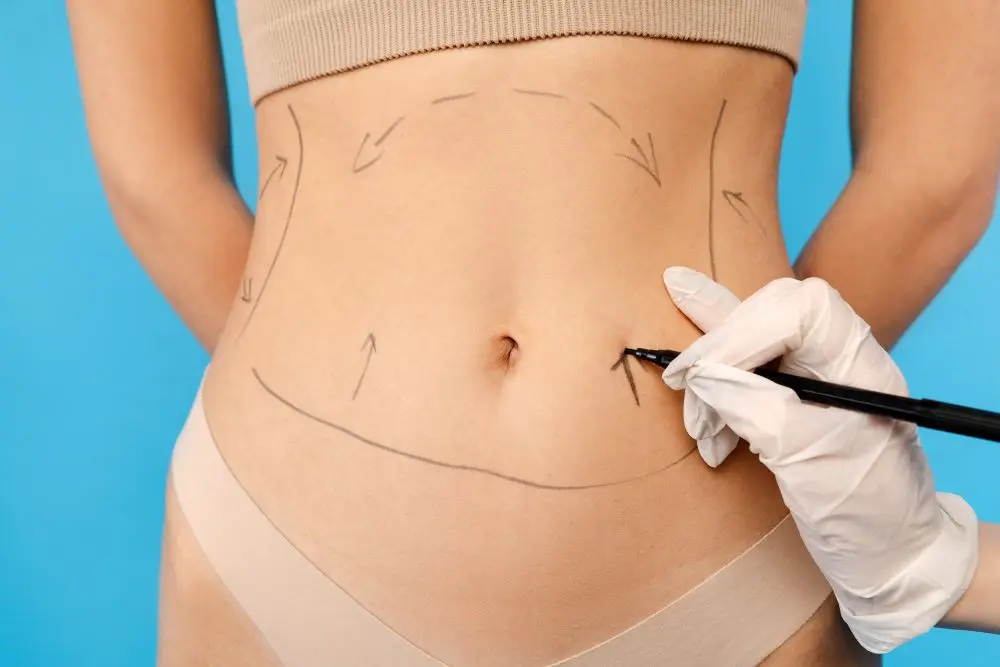
Liposuction is a commonly chosen cosmetic procedure that removes excess fat from certain parts of your body, such as the stomach. While it helps you achieve a more contoured appearance, it’s important to be aware of the potential for scarring. Many people worry about liposuction scars on the stomach, but understanding how they occur and what can be done to prevent them can help ease those concerns. So, let’s talk about everything related to liposuction scars on the stomach in this blog today!
The Liposuction Procedure
Liposuction is a surgical procedure that is about making tiny incisions in your skin to insert a cannula, a thin tube that sucks out excess fat cells. The incisions are very small, but they can still lead to visible scarring on your body.
The extent of scarring after liposuction depends on factors like your individual skin type, the skill of the cosmetic or plastic surgeon, and the aftercare process you do. Every little thing is important in this procedure; therefore, you should have all the relevant information about liposuction so that you can enjoy a safe recovery and successful results after the liposuction procedure.
What Are Liposuction Scars?
After having liposuction, you might have some marks on your skin. These marks are called scars. They happen because of the small and minor cuts made during the liposuction to remove fat. Scars are normal and part of the healing process. How they look can differ for each person, depending on the type of skin, how the fat was removed, and how well you take care of yourself after the procedure.
How Does Liposuction Leave Scars?
Liposuction involves making small incisions in your skin to insert a cannula, a thin tube used to suction out fat cells. These liposuction incisions are usually very small, often less than a centimeter, and are placed by the plastic surgeon to minimize visible scarring. However, liposuction is no exception because any surgical procedure that breaks your skin can result in scarring.
Factors that Influence Liposuction Scars on the Stomach
Now that we understand liposuction and how it leaves scars, let’s discuss the factors that influence it on the stomach.
Skin Type & Your Genetics
The way your skin is and whether your family tends to scar easily can also make a big difference in how liposuction scars look on your stomach. Some people are more likely to get keloid scars, which are lumpy and raised scars that go beyond the cut. Others might get hypertrophic scars, which are also raised but stay within the cut. If you usually get raised or keloid scars, tell your plastic surgeon before getting liposuction.
Healing Process & Aftercare
After liposuction, taking good care of your body is super important to make sure your scars look better. You should stay out of the sun, and do what your plastic surgeon tells you to do. Sometimes, your plastic surgeon might suggest you use special products to help make your scars less visible and make your skin even and smoother.
Surgical Technique & Incision Placement
The way your plastic surgeon does this cosmetic surgery really affects how the scars look after liposuction is done. One common method is called tumescent liposuction, which involves putting a special liquid into the area being treated to reduce bleeding and make it easier to remove fat. This method is very effective and allows for smaller cuts, so the scars are not as easy to see.
Also, cosmetic surgeons often put the cuts in places where they won’t be noticeable, like in the natural folds of your skin or below where a bikini would sit. This helps make the scars less visible. Always make sure that you are getting a liposuction procedure from an experienced plastic surgeon who has a previous history of successful liposuction procedures.
Managing Liposuction Scars on Stomach
While it’s impossible to eliminate scars after any surgical procedure, there are many strategies you can apply to manage and also minimize liposuction scars on your stomach. Let’s learn in detail about this!
Protection from the Sun
Protecting the scars on your stomach after liposuction from sun exposure is super important, especially during the early stages of healing. The reason behind this is the UV rays that can darken scars and make them more noticeable. To cater to this, you can apply a broad-spectrum sunscreen with a high SPF or keep your stomach covered with clothing that can help prevent hyperpigmentation and promote skin healing.
Follow After Surgery Instructions
Following the after care instructions after liposuction provided by your cosmetic or plastic surgeon is the make or break for healing. This includes keeping the incision sites clean, wearing compression garments to reduce swelling, and avoiding intense physical activities or playing sports that could strain the healing tissue. The right care during the initial stages of healing can influence the final appearance of the scars.
Silicone Gel Sheets & Topical Treatments
Silicone gel sheets are an effective option for minimizing the appearance of scars after liposuction. These sheets create a barrier over the scar on your stomach, helping to reduce the formation of raised scars. They are generally applied once the incision sites have healed and can be worn for several hours daily.
There are also various topical treatments that are very effective, like scar creams and ointments, which contain ingredients like vitamin E, onion extract, and aloe vera, which can help reduce scars after liposuction.
Physical Therapy & Massage
Gentle massage of the scar tissue breaks down adhesions and improves the flexibility of your skin. This is helpful in preventing the development of raised or tight scars. Physical therapy is also effective and recommended by professionals in cases where the scar tissue is affecting movement or causing discomfort.
Laser Therapy & Other Skin Treatments
Professional treatments like laser therapy may be a great option for those concerned about more stubborn and noticeable lipo scars. Laser treatments reduce the redness and thickness of scars on your stomach
Chemical peels, microneedling, and other skin treatments may also be recommended by your dermatologist or plastic surgeon to further improve the appearance and the texture of your skin around the scar.
Keloid Scars as a Potential Challenge
One potential issue in the healing phase after liposuction surgery is the development of keloid scars which are an overgrowth of scar tissue that extends beyond the original wound and can become thick and sometimes very itchy or painful.
People who have darker skin tones or a family history of keloids are more prone to keloid scars. So, discuss this with your plastic surgery expert about this issue so that they treat you keeping this factor in mind.
If you are concerned about the risk of developing keloid scars, discussing this with your plastic surgeon before undergoing the liposuction procedure is important. In some cases, measures, such as applying pressure garments or using corticosteroid injections, may be recommended to reduce the likelihood of keloid formation.
Final Thoughts
If you’re thinking about liposuction or worried about scarring, you must know that scarring is a natural part of the healing process after liposuction. Your stomach’s liposuction scars may look different depending on factors like how well you take care of them and your skin type.
By following your plastic surgeon’s expert advice and taking good care of your skin, you can make your scars less noticeable and feel great about your liposuction results. It’s also highly important to talk to an experienced plastic surgeon if you’re considering liposuction surgery.
Expert plastic surgeons can give you personal advice and tips to help you get the best results and manage any scarring. Remember, while scars are part of your journey post-liposuction, they also show your commitment to feeling confident.
Revamp Your Look with Liposuction By Dr. Jim Brantner, M.D
Beauty seeker! We’ve got you covered if you’re thinking of liposuction or any other cosmetic magic! Our superstar doctor, Jim Brantner, M.D., is here to guide you through the journey. From breast lifts to body lifts and Botox to brightening your complexion, we’re all about helping you. Our advanced anti-aging treatments, skincare secrets, and laser therapies will have you glowing in no time!
So, what are you waiting for? Reach out to us via email or give us a ring at (423) 328-9000. We can’t wait to meet you and help you become the best version of yourself. Schedule a consultation with Dr. Jim Brantner, M.D., right now!
Sep 10, 2024 | Breast
If you are considering breast reduction surgery, there are certain things you should know about it before undergoing it. From understanding the procedure to adjusting to life post-surgery, we will cover all the things we think are essential to understand regarding breast reduction. If you are seeking breast reduction, there is no better option than Jim Brantner, MD. With years of experience and a state-of-the-art facility, Jim Brantner, MD, has helped many women get their desired breast size.
Breast Reduction Basics: Understanding the Procedure
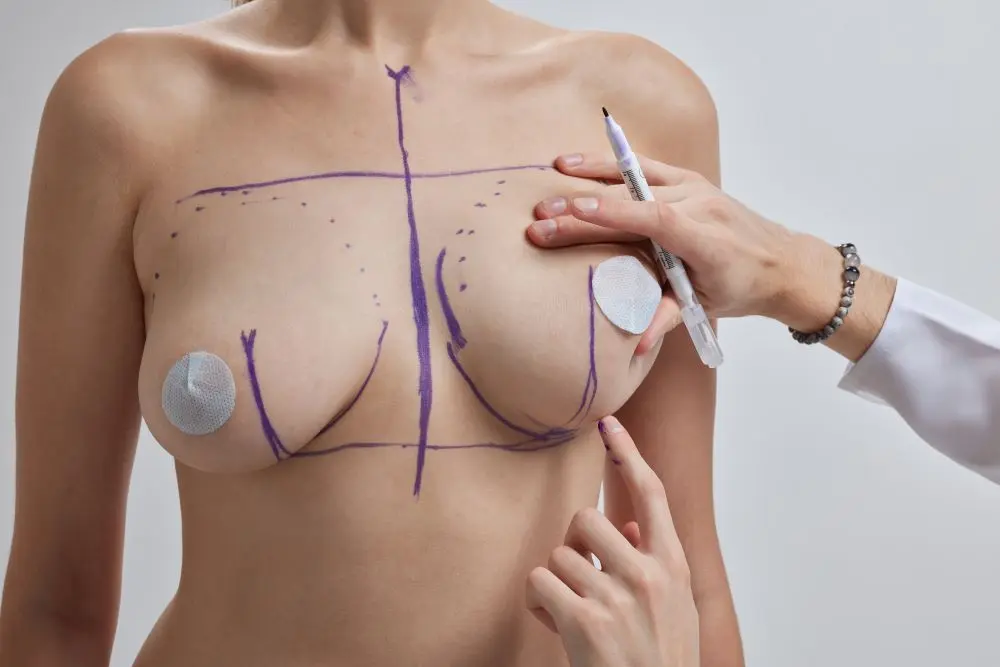
If you are planning on undergoing surgery, it is essential to understand how the process works. Breast reduction surgery entails the surgeon making an incision around the nipple and downwards of each breast. Then, any excess breast tissue and fat are removed to reduce the size of the breasts. Next, the breast is reshaped, and the nipple and areola are reset. If you have very large breasts, breast reduction surgery is the right solution to your discomfort.
At Jim Brantner, they have expert breast surgeons on board. Call them today and hand your breast reduction surgery to the right hands.
Reasons for Reduction: Exploring Motivations and Benefits
There are many reasons to consider breast reduction. A successful breast reduction means that you can get relief from the discomfort in your upper neck, shoulders, and back. Moreover, it allows you to participate in activities you previously could not. This helps you create and maintain a better self-image, contributing to better mental health.
Opt for breast reduction and say goodbye to chest rashes! Jim Brantner MD offers professional breast reduction procedures at their clinic.
Preparing for Surgery: What to Expect Before the Procedure
Prior to your breast reduction, you would have to see if you are the right candidate. Also, it is a good idea to follow the following steps:
- Have a thorough examination, including extensive lab work
- Obtain detailed imaging results tailored to your family history
- Adjust your current medications
- Stop smoking or vaping
- Avoid taking aspirin and certain anti-inflammatory drugs.
After you undergo your surgery, it is important to get a detailed recovery program from your surgeon and strictly follow their guidelines. Additionally, maintaining a healthy lifestyle and the proper nutrition can ensure that you have an optimal recovery. At Jim Brantner MD, the surgeons have helped countless patients undergo breast reduction surgery. You can trust them to do your breast reduction the right way!
Navigating Post-Op Healing and Care
For a few weeks, you may experience irregular energy levels or fatigue. You may also feel as though the fluid is shifting within your breasts. This is a typical emotion that will eventually pass. If the stitches were removable when they closed your incisions, your doctor will remove them in 7 to 14 days.
Your breasts could appear fuller and feel firmer. Your breasts’ natural sensation may change after a breast reduction. However, some emotions might return eventually. Remember that following surgery, you might need some time to get acclimated to your new breasts. You will initially experience swelling. However, with time, the breasts will soften and take on a better form.
Finding the Right Surgeon for Breast Reduction
Before selecting a cosmetic surgeon, it’s essential to ensure they are board-certified. This provides two critical aspects: first, that the procedure will be conducted in an accredited facility, prioritizing your safety, and second, that the surgeon possesses specialized training and expertise in cosmetic surgery. At Jim Brantner, MD, we have expert surgeons with high success rates. You can be worry-free when you choose us for your breast reduction!
Having Realistic Expectations & Setting Achievable Goals
Following a breast reduction, it’s important to set achievable goals with realistic expectations. While some skin irritation around one or both breasts is common during healing, addressing any concerns early with your doctor can help. Remember, breast reduction scars take time to mature, and managing expectations around the final appearance of both breast tissue and skin will contribute to a smoother recovery process.
FAQs
Q: What do I need to know before getting a breast reduction?
A: Before opting for a breast reduction, it’s crucial to educate yourself about the procedure. Understanding the risks, benefits, and recovery process is essential. Consultation with a qualified plastic surgeon is vital to discuss your concerns and expectations.
Q: Who is the right candidate for breast surgery?
A: Generally, individuals experiencing physical discomfort, such as back or neck pain, due to large breasts might consider breast reduction. Additionally, those struggling with self-esteem or finding it challenging to engage in physical activities due to breast size could benefit from the procedure.
Q: What is the downside of breast reduction?
A: While breast reduction can offer significant relief and improve quality of life, it’s not without downsides. Potential risks include scarring, changes in breast sensation, and difficulty breastfeeding. Additionally, like any surgery, anesthesia and infection are associated with risks. However, if you pick the right surgeon for your procedure, you can mitigate these risks.
Q: How long does a breast reduction take to heal?
A: The healing process post-breast reduction varies for each individual. Generally, initial recovery takes several weeks, during which discomfort, swelling, and bruising are common. Full recovery, including scar maturation and final breast shape, can take several months to a year. Following post-operative instructions and attending follow-up appointments with your surgeon are crucial for optimal healing and outcomes.
Get Breast Reduction At Jim Brantner, MD
At Jim Brantner, MD, we offer a comprehensive approach to breast reduction surgery and liposuction breast reduction tailored to your individual needs. With personalized consultations, Dr. Jim Brantner ensures a thorough understanding of your goals and concerns, guiding you through every step of the process with expertise and compassion.
From the initial evaluation to post-operative care, our team is dedicated to providing you with the highest support and guidance. If you’re ready to experience the physical and emotional benefits of breast reduction surgery, schedule your cosmetic surgery consultation with us today and take the first step towards a better self-image.
