
May 10, 2024 | Cosmetic Surgery
Blepharoplasty, also commonly known as eyelid surgery, is a cosmetic procedure that allows for an improved appearance of drooping and sagging eyelids. Moreover, it also provides the benefit of resolving any issues caused by excess skin or fat around your eyes. It is a relatively minor surgical procedure; hence, there is no need to be very concerned. The following guide aims to provide you with detailed information regarding eyelid procedures. If you are seeking to get eyelid procedures, you can opt for Jim Brantner, MD. We offer quality surgical procedures for drooping eyelids.
Why Does Someone Need Eyelid Surgery?
It is expected to start having drooping or saggy eyes as you age. Moreover, some people can even experience pockets of excess fat around their eyes, leading to an undesirable appearance. This excess skin may be caused by long-term smoking or excessive smoking. Sometimes, this excess skin and fat even start to hinder your vision, which is when it becomes essential to undergo an eyelid procedure to restore normal vision.
What Goes on During the Eyelid Surgery?
There are two main kinds of eyelid surgeries: upper eyelids and lower eyelids. Both involve your surgeon removing excess skin and fat tissue that makes your eyelids appear droopy. Detailed information regarding what goes on in upper and lower eyelid surgeries is as follows:
Upper Eyelid Procedure
Upper eyelid surgery is a surgical treatment that aims to better the appearance of the upper eyelids by decreasing sagging upper eyelids. It helps to tighten the skin between the eyebrows and the upper eyelashes, minimizing excess skin that can cause the upper eyelids to appear heavy and creased.
During the upper lid procedure, the surgeon will make a cut in the upper eyelid’s natural crease to minimize scarring. Next up, they will remove excess skin, which can be fat, muscle, or skin, causing the heavy eyelids before using small stitches to close the incision. These stitches are designed to dissolve or fall out a few weeks after the surgery. The entire upper eyelid surgery usually takes approximately an hour to complete.
Lower Eyelid Procedure
Lower blepharoplasty is a surgical procedure performed on the lower eyelids to correct drooping skin and eye bags between the lower eyelashes and the tops of the cheeks. It can also help to correct darker, crepey skin and puffiness under the eyes. The surgeon will make an incision inside the lower lid or below the lower lash line during the surgery. Then, they will remove the sagging skin and fatty tissue that is making the lower eyelids droop and appear heavy.
After the procedure, you may have dissolvable stitches or suture strips to close the incision. If you have suture strips, your surgical team will remove them around a week later. It’s worth noting that lower eyelid surgery rarely takes less than two hours to complete.
Information Regarding Recovery After Eyelid Surgery
If you’re considering getting plastic surgery for droopy eyelids, you should prepare to experience tenderness, swelling, and bruising around your eyes after the surgery. You’ll be given pain relief medications and eye pads as part of your recovery. Your surgeon will provide detailed instructions on how to clean and care for your eyes during the weeks that follow.
Antibiotic cream may also be used to prevent infections. The benefits of a brow lift or eyelid surgery may not be noticeable for up to six months. It’s recommended to take about a week off work and to avoid driving for a few days after the surgery.
Tips For Quicker Recovery
There are certain things that you can do in order to have a faster recovery process. These include keeping your head elevated to reduce swelling, using a cold compress to ease any discomfort, and using wrap-around glasses to avoid irritation in the eyes. If you still have discomfort, you can take painkillers. Moreover, you should always follow your surgeon’s instructions and avoid doing activities that may cause you to sweat for at least a week.
At Jim Brantner MD, our surgeons provide all our patients with a detailed aftercare plan so that they are able to have the optimal healing process. Call us today to learn more about our personalized aftercare programs.
How to Know if You Are the Right Candidate for Eyelid Surgery?
Eyelid lift surgery may be a suitable option for you if you have drooping or sagging eyelid skin which may hinder your vision. Additionally, if you have puffiness, bags, or dark circles under your eyes, or if your eyes show signs of aging, eyelid lift surgery could be a viable solution for you. Please note that drooping can be hereditary and may occur in younger patients.
Frequently Asked Questions
Q: What do I need to know before eyelid surgery?
A: Prior to undergoing this operation, it is advisable to be aware that swelling and bruising can be anticipated for around two weeks following the procedure. After surgery, patients can usually go back to work around five days later. Makeup can be used to cover up any residual bruises or redness.
Q: What should I avoid before eyelid surgery?
A: It is advised that you quit smoking before the surgery. Moreover, aspirin, anti-inflammatory medications, and herbal supplements should be avoided. This is because these things can cause excessive bleeding during the procedure.
Q: How painful is eyelid lift surgery?
A: One of the least painful cosmetic operations is thought to be eyelid surgery. Cold compresses and over-the-counter pain medicines can usually alleviate any discomfort experienced throughout the healing process.
Q: What is the difference between eyelid surgery and blepharoplasty?
A: In summary, blepharoplasty is a cosmetic operation, and the term “blepharoplasty” refers to any sort of eyelid surgery that is focused on maintaining good vision.
Get Expert Eyelid Surgery at Jim Brantner, MD
At Jim Brantner, we come equipped when it comes to eyelid surgery. We have experienced surgeons with the latest technology to make sure your surgery outcomes are optimal. If you would like to undergo eyelid surgery, we would be happy to help you! Moreover, we also offer other cosmetic procedures to enhance your appearance. These include mommy makeovers, tummy tucks, liposuction, and more. Contact us today, and let us help you unlock your confidence.

Apr 26, 2024 | Breast
A brow lift procedure, also commonly known as a bioplastics or forehead lift, is a cosmetic procedure that helps you attain a youthful appearance. The longevity of the results and the brow lift recovery time can depend on various factors. The following guide will delve into everything related to brow lift recovery. Hence, if you would like to learn more about brow lift recovery and what to expect, continue reading.
Brow Lifts Recovery Time: A Day-by-Day Breakdown
The Brow lifts recovery comes in waves; we have sorted the post-operative recovery period timeline, so you don’t have to! It is as follows:
The First Few Days
We recommend that you take these days off and rest in order to avoid complications later on. A brow lift is an outpatient procedure done using general anesthesia or local anesthesia. If you are under general anesthesia and experience nausea, inform your nurse for medication. Ideally, you shouldn’t experience pain. If you do, take mild non-opioid painkillers like Tylenol.
You will notice a light dressing over your brow area. This, however, will be removed within one to two days. You may also have a drain tube in place to drain any access fluids, so don’t panic. Moreover, you will be instructed to keep your head elevated when lying down so you can avoid any unnecessary movements. It is recommended that you don’t bend or lower your head during this time to avoid complications. The brow lifts recovery time depends on several personal factors, and is different for everyone.
The First Week
You will be allowed to take a bath and wash your hair with a natural and gentle soap recommended by your doctor. Moreover, it is possible that you may have some swelling and bruising around your eye, which is completely normal. This bruising usually subsides within a week to 10 days after your surgery.
At the end of the first week, you may visit the surgeon for the removal of any stitches or sutures that may be present from the surgery. If you would like to have a personalized aftercare plan, you can reach out to Jim Brantner, MD, and get the aftercare that you deserve.
The Next Few Weeks
After the surgery, all swelling should have decreased after three weeks. Scars from incisions are usually completely hidden, but even so, they can be covered up with makeup or hair until healing takes place. You should be able to resume almost all of your regular activities at this point, including working and exercising. The procedure will need a few more weeks to “settle in,” and the results will become apparent in roughly six to eight weeks.
How Long Does a Brow Lift Typically Last?
Typically, your brow lift’s results can last between 5-12 years, depending on the technique employed during the procedure. The specific methods being used, such as endoscopic or traditional, can influence the duration of the outcomes. Moreover, the surgeon’s expertise also has an effect on the longevity of your results. If you would also like to get a brow lift procedure, you can contact Jim Brantner, MD, and get a quality one.
Bruising & Swelling: What to Expect After Brow Lift Procedure
Swelling and bruising following a brow lift surgery is completely normal and even expected. It is important to follow your doctor’s post-operative instructions, including taking prescribed medications, getting plenty of rest, and avoiding activities that may put strain on the affected area. The bruising and swelling typically subside within a week or two, and patients can start to enjoy the full benefits of their brow lift.
If the swelling and bruising lasts for over two weeks, it may be a good idea to check in with your surgeon to ensure that your brow lifts recovery is going in the right direction.
Brow Lift Aftercare: Tips for Optimal Healing
Regardless of if you have a temporal brow lift or a coronal brow lift, there are some things that you need to do in order to optimize your healing process. This includes keeping your head elevated, even when sleeping. Moreover, you can also use a cold compress on the area to aid with swelling and pain relief. However, it is important to note that a cold compress will only work for you if you apply it regularly from the initial brow lift recovery periods. For more detailed information on aftercare, doctors usually provide patients with post-operative care instructions that they can follow to optimize their healing time and process.
Frequently Asked Questions
Q: How long does it take to look normal after a brow lift?
A: Generally, it takes about two weeks for the swelling and bruising to subside and for you to look normal. This is shorter than the time it takes for facelift procedures.
Q: How long does your head hurt after a brow lift?
A: Most patients will experience pain and discomfort for the first few days after the procedure. Pain can usually be managed with pain medication prescribed by your doctor. This procedure is shorter than our mommy makeover procedures.
Q: What not to do after a brow lift?
A: You should avoid any strenuous activities for at least two weeks after the surgery. This includes exercise, heavy lifting, and bending over. You should also avoid any activity that may raise your blood pressure, such as sauna or hot tub.
Q: Can you still move your eyebrows after a brow lift?
A: Yes, you should still be able to move your eyebrows after the procedure. The movement may be limited temporarily due to swelling and tightness, but this should subside within a few weeks.
Get Brow Lifts Recovery Plans at Jim Brantner, MD
If you are wondering about where to get your brow lifts, you can go for Jim Branter, MD. At Jim Brantner MD, our surgery department is well-equipped with well-qualified doctors with decades of combined experience. Moreover, our state-of-the-art facility uses the latest equipment to perform your brow lift surgery and offers personalized plans to optimize the healing process. We offer a range of cosmetic procedures, including Mommy Makeovers, Breast Lifts, Liposuction, facial plastic surgery, and more! Contact us today and regain a youthful appearance.
Mar 15, 2024 | Injectable Fillers
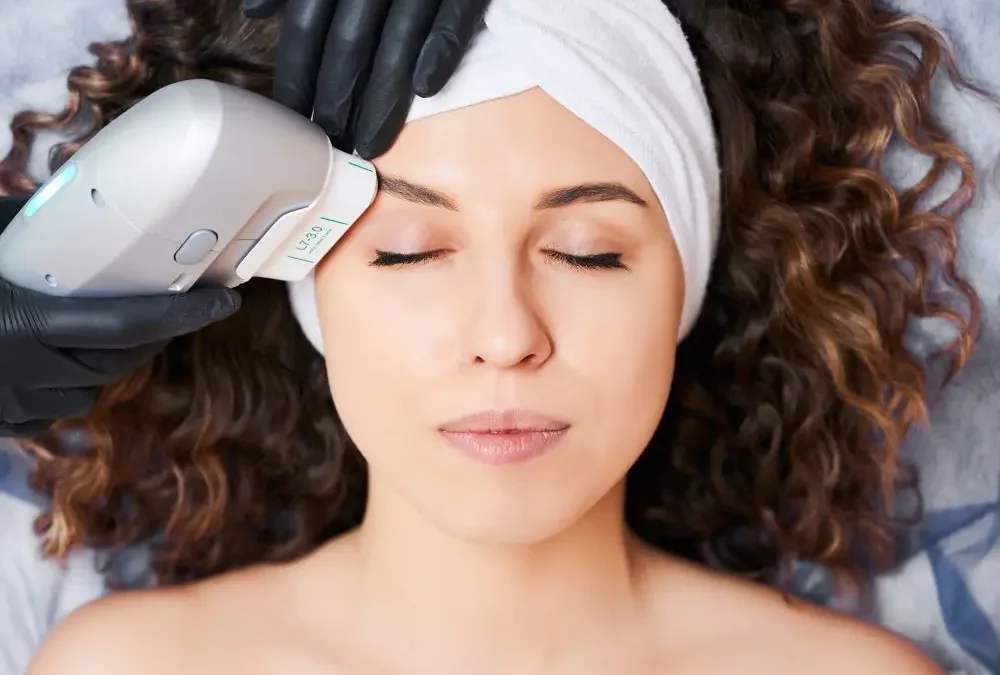
The pathway to a more refreshing look is always full of choices one should make wisely. Cosmetically, this is known as facial rejuvenation surgery, or the ‘facelift, ‘ which promises to reverse the markers of the aging process and resuscitate the outlines of youth. This understanding enables people who wish refreshed looks to make informed decisions on the intended outcomes and processes used during such surgeries. Let’s get into the things to know about the facelift procedure.
Understanding the Facelift Procedure
Rhytidectomy, more commonly known as a facelift, is a very effective way to address common problems related to older-looking facial features, including loose skin and excess skin. This surgical approach mainly focuses on the lower part of the face and the area around the old neck, resulting in loose skin and an aging neck region.
It entails strengthening the face’s underlying muscles and removing fat, resulting in a younger-looking face. It consists of a comprehensive surgical procedure, which board-certified plastic surgeons mostly undertake; the cuts are made strategically to reduce the visibility of wrinkles and facial aging while giving back a natural contour and youthful appearance of facial skin.
Preparing for a Facelift Surgery
Preparation prior to facelift surgeries must be considered. Before embarking on this type of cosmetic procedure, patients must consult extensively with their surgeons, discussing the expected results, among other details like the surgical methods to use. Understanding the anesthesia and incision points for facelift surgery is equally fundamental for grasping how invasive the surgery will be and the following recovery process.
The preparation prior to the operation might include stopping blood thinning agents and having a well-balanced diet before and after the surgery. Additionally, it involves controlling past medical issues and telling the doctor about the previous surgeries for a more effective recovery time without the probability of post-operation complications.
Anesthesia and Incision Points
One of the most important things that determine the success of facelift procedures is anesthesia. During facelift surgery, general anesthesia is often used to render brief insensitivity upon awareness. Many factors determine which type of general anesthesia will be used in a particular case. Initially, it is an outpatient procedure usually decided between the surgeon and the patient.
On the other hand, careful planning of incision lines, mainly disguised in the face, lifts the pre-existing wrinkles of facial tissues and ensures easy accessibility of internal structures by the surgeon. The incisions are made in strategic places to minimize swelling and allow a surgeon to lift a facial muscle, remove excess skin, and treat deep tissue for good outcomes.
Facelift Techniques and Approaches
Facelift surgeries include various options for different age-related manifestations, such as drooping or extra skin. However, for most patients, the skillful board-certified surgeon employs different strategies, including a mini facelift, a traditional facelift, a mini facelift, and a deep plane facelift, among others.
The goal remains consistent: The facelift surgical procedure rejuvenates the face and neck by moving the sagging skin tissue layer closer to its muscles and deeper tissues (Aesthetic plastic surgery). These methods target specific areas in a very natural way to produce a result that fits the facelift of each patient individually.
Tightening Facial Muscles and Tissues
Among others, one major aim of cosmetic surgery is to firm up the skin and associated facial muscles and connective tissue layers underneath. The technique entails making delicate movements of SMAS, one of the major layers enveloping the face’s underlying muscles and tissues.
However, surgeons can get more prolonged outcomes by elevating and shifting this deeper tissue layer. Addressing the symptoms and signs of aging and restoring natural contours for the patient to maintain some naturalness and consistency in relation to the bony bone structure and facial esthetics.
Addressing Excess Skin and Fat Removal
Excess skin and fat removal comprise crucial elements in a facelift process that play an essential role in attaining a young look. The surgeon carefully removes the skin and adipose tissues and cuts off flaccid skin during the operation. The facelift results aim to get rid of aged skin marks while sculpting the face and neck for clear edges simultaneously.
This technique involves targeting common fat-bearing locations such as the lower face and the neck to improve the patient’s natural beauty and rejuvenate skin sensation and a sense of freshness for the restored appearance to match what they desire as a person.
Recovery and Postoperative Care
The after-care is necessary during the recovery phase after a face and neck lift-lift to get satisfactory outcomes. Therefore, patients are encouraged to prioritize their physical health as outlined in the postoperative instructions given by the surgeon. Taking prescribed pain meds, keeping exposed areas away from direct sunlight, and discontinuing any potential blood thinner would be included in this step.
A balanced recovery period is necessary so that the body can heal properly. This will gradually resolve the swelling without risking things like nerve injury or permanent hair loss. The improved surgical techniques have made short incisions possible, leading to a faster healing process than traditional methods. Still, one needs to have reasonable expectations about the results of shorter incisions, or else one would be unsatisfied.
Potential Risks and Complications
Facial rejuvenation surgeries involve sophisticated processes and advanced technologies. However, they have a number of dangers and complications that may occur after the operation. Although these adverse incidents are uncommon, patients must be informed of the likelihood of complications during the surgery, for example, injury to nerves underlying muscle, excessive edema, or the rare event of alopecia in the cutaneous areas.
Moreover, people with unique medical conditions must consult to avoid any danger, success, or failure after the full facelift surgery process. Compliance with postoperative order, avoiding excessive sunlight, sun exposure only, and allowance for the body to recover gradually help diminish risks and reduce potential complications, facilitate an easy recuperation process, and achieve desired facelift effects.
Long-Term Results and Expectations
It is also essential to take into account future indicators, as well as expectations after making a plastic operation. However, it is essential to know how long the results could stay while still showing a younger appearance that addresses sagginess and facial aging. The initial improvement is usually indicated by the reduction of the swelling within three weeks.
Complete refinement of results may take up to several months as residual swelling goes away together with the settling of tissues into the new position. The duration of facelifts depends on the characteristics of the person’s skin, lifestyle habits, and natural aging, among others. Adopting a healthier diet, protecting the skin from overexposure to the sun, and ensuring that proper skincare is observed helps extend the effects of these procedures, resulting in long-lasting, youthful-looking appearances for many more years.
Discussions involving realistic expectations about the longevity of the results of facelift surgery and potential modifications in the future will be done during the consultation with the professional plastic surgeon so that the patients can understand what they will experience over time.
Consultation and Qualified Surgeons At Jim Brantner M.D
At Jim Brantner M.D, we prioritize the well-being and satisfaction of our patients seeking facial rejuvenation through facelift procedures. Our consultations are tailored to provide a comprehensive understanding of each individual’s aesthetic goals and concerns.
We take pride in our team of highly qualified and experienced surgeons who are dedicated to delivering exceptional care and results. During our consultations, we work closely with patients to ensure a thorough examination, discussing realistic expectations and the intricacies of the facelift procedure. We also offer services that include tummy tucks, breast lifts, and breast implants.
Our commitment is to guide patients through every step of the process, offering personalized recommendations and ensuring a comfortable experience. At Jim Brantner M.D., we strive to match each patient with a board-certified surgeon with the expertise and skill required to achieve their desired outcomes, emphasizing safety, professionalism, and a patient-centric approach. Contact us today!

Feb 28, 2024 | Injectable Fillers
Choosing to embark on the road towards liposuction calls for a lot of deliberation and preparation. However, ensure an open dialogue with your plastic surgeon before engaging in this cosmetic procedure. The right selection of inquiry may give you complete information on the procedure, dangers, and possible results. These are the questions you must ask your surgeon before liposuction. Let’s get into the questions to ask your plastic surgeon before getting liposuction.
Understanding the Procedure of Liposuction Surgery
Some examples of body contouring procedures, such as liposuction, include the targeted extraction of some persistent fat pockets via little cuts. The procedure is generally done using general anesthesia or IV sedation with a cannula inserted into the subcutaneous fatty tissue to break down and remove the extra fat cells.
“Tumescent liposuction and other liposuction are designed for special issues and body shapes. Therefore, discussing the selected liposuction procedure, the anticipated amount of fat removal, and the appropriate expectations at the meeting with the certified plastic surgeon is essential.
Surgeon’s Experience and Credentials
Any person who wants to undergo liposuction or any other plastic surgery procedure should first choose a certified plastic surgeon among all specialists. The success and safety of this surgery are highly dependent on a surgeon who has vast experience, is certified by the American Board of Plastic Surgery, and masters body contouring procedures such as liposuction.
Asking whether the surgeon has ever performed such a surgical procedure before, his reputation, and their customers’ experience gives one an insight into their qualifications. Besides, how is it going on a visit to the operating room; is it licensed and accredited? What should you expect after a procedure?
Potential Risks and Complications
Though liposuction is a useful method of sculpting the body, it is vital to acknowledge possible difficulties and side effects. However, there are still risks that are inherent, such as infection, bleeding, or adverse response to anaesthetic, that may occur even in the majority of patients who did achieve their aesthetic goals.
It is imperative to address issues about loose skin, recovery period, and a safe amount of removal of excess fat. In addition, a board-certified plastic surgeon will underscore that a patient should be a good candidate, have realistic expectations, and follow the preoperative and postoperative guidelines to get the best outcome from liposuction, reduce surgical issues, and shorten recovery time.
Expected Results and Realistic Outcomes
It is essential to understand the outcome of any plastic surgery, primarily liposuction, and be realistic. Liposuction procedures aim to remove stubborn fat deposits to improve the body’s physique. However, one should always remember that liposuction is not a way of losing weight but shaping some body parts.
Board-certified plastic surgeons can talk about the expected result based on the procedure chosen, the number of fats safely removed, and other factors like good elastic skin for better outcomes. Clear and open communication about your aesthetic goals and the limitations of the liposuction technique can help prevent surprises as you understand exactly what you will find yourself after surgery.
Recovery Process and Aftercare After Liposuction Procedure
The recovery phase after the liposuction is as essential as the procedure itself with regard to the successful result of the operation. Surgeons usually advise using compression wear for about six weeks, with a view to promoting faster recovery and minimizing the level of swelling. Being aware of the duration of a recovery phase and the possible pain and limitations during this time is significant.
Certified plastic surgeons usually offer specific postoperative information about wound care, taking medications, and scheduled visits. Understanding the recovery process makes smooth recuperation possible and enhances effective healing toward attaining optimum liposuction results.
Alternative Options and Approaches
Liposuction is one of the well-established plastic surgery techniques that may be used for body contouring, so it would make sense to look for other methods and procedures. For patients requiring surgery, there are nonsurgical options such as laser treatment or fat-reducing injections that one can consider depending on their preference.
For instance, it is also essential to talk about other surgical operations, such as tummy tucks and breast augmentation, that complement the cosmetic issues to be resolved by liposuction surgery. Weighing the merits and demerits against the liposuction surgeon of each approach would be made easier by consulting a recognized plastic surgeon who would guide you in choosing what works best for your aim to achieve your beauty aspirations.
Anesthesia and Pain Management
An essential part of preparing for laparoscopy involves being aware of pain relief and anesthetic methods. Liposuction surgeries may be conducted using general anesthesia, during which you are completely unresponsive throughout the operation, or local anesthesia with IV sedation, which keeps you awake and insensitive to the operating region.
Most patients need to discuss these options with a board-certified plastic surgeon to select the best course depending on the extent of the surgery required and individual preferences. Moreover, knowing about pain management techniques after surgery, such as prescription drugs or other methods used by a doctor to relieve the patient’s pain, promotes faster body healing and makes a patient feel better during treatment.
Cost and Financial Considerations
Before deciding whether to proceed with liposculpture (suction-assisted lipectomy), its total cost should be known, and relevant financial issues should be understood. However, the price for liposuction depends on several things, like the doctor’s experience, the amount needed, hospital charges, and local anesthetic. If you are talking to a board-certified plastic surgeon, ask about their cost breakdown during the consultation, such as preoperative assessments, the procedure, postoperative care, and extra expenses.
Learning about the financial aspects, such as payment plans, possible funding, and medical insurance coverage, assists with planning and making informed choices on undergoing the liposuction procedure.
Preoperative and Postoperative Instructions
Before the actual liposuction process, there are some set preoperative as well as postoperative rules that should be observed. These guidelines must be implemented per strict orders of a plastic surgeon and his/her medical staff. Such preoperative instructions may encompass the prohibition of certain drugs, instructions on the pre-op fast regime, and changes in daily habits.
This is very important to mitigate possible risks or complications in the procedure. In most cases, postoperative instructions include such points as bandage or dressing for the wound, medication timetable, compression garment use, the restrictions of performing certain activities, and attending regular follow-up visits. Strict adherence to these guidelines maximizes healing, minimizes the likelihood of complications, and significantly guarantees desirable liposuction outcomes.
Patient Satisfaction and Follow-up Care At Jim Brantner M.D
Patient satisfaction and ongoing care are vital parts of our efforts to attend to each and every one of our patients at Jim Brantner M.D. Our goal is your well-being, and we intend to go beyond your expectations, providing individual care and assistance during your liposuction. We comprehend that every person’s experience is distinctive. We also offer services like Tummy Tucks, Mommy Makeovers, and Facelifts.
Thus, our committed team will see that we answer all your questions, assist you in recovery, and assure satisfaction and comfort throughout the healing period. We have a policy of follow-up care comprising regular visits for examination, consultation regarding post-op issues, and advice to maximize our outcomes. At Jim Brantner M.D., we ensure you feel at home, safe, and comfortable while contented with our services. Contact us today!

Feb 15, 2024 | Mommy Makeover
To maintain the remarkable outcomes following a mother’s miraculous makeover, one should be dedicated and practice an appropriate lifestyle. Therefore, these invaluable tips represent a handbook to protect the procedure outcomes. To make mommy makeovers, make sure your body changes after a mommy makeover. It will be there for a long time, so you should use some simple daily things about your lifestyle and routine. Let’s explore tips to maintain your mommy makeover results.
Follow Post-Surgery Care Guidelines
Following up on the mommy makeover transformation process is essential, and that will be very helpful. Strict adherence to the after-care guidelines facilitates proper healing of surgical wounds.
These instructions are always made for your particular mommy makeover operation and help diminish the incidence of postoperative complications and achieve the best possible outcome aesthetically.
Embrace a Healthy Lifestyle
However, for long-lasting results, you must adopt a healthy lifestyle approach. Such a healthy lifestyle implies adopting a healthy eating plan with regular exercises and trying to stay away from habitual bad practices such as smoking that can interfere with successful procedure outcomes.
A good nutritional habit that focuses on fresh fruits, lean proteins, whole grains, and essential, healthy fats will enhance your general health and preserve the results of your mommy makeover regarding weight management.
Prioritize Regular Exercise
Regular exercise should be an integral part of your day-to-day activities if you desire to retain the benefits gained after undergoing the mommy makeover process.
Tailored workouts, especially for the duration recommended for recovery plastic surgery, help you tone your body up and manage extra kilos. Regular exercise also facilitates healing after operations such as tummy tucks and breast lifts that are part of a mommy makeover, making the result lasting.
Balanced Nutrition Is Key
The basis for sustaining the mommy makeover’s results involves ensuring that you always eat a balanced diet. Consuming fresh fruits with lean proteins and whole grains after the surgery helps maintain normal body weight during the healing period.
In essence, one has to avoid processed foods while choosing healthier types of fat to maintain optimal surgical outcomes. The holistic nature ensures that it boosts your health while supporting the longevity of maintaining your mommy makeover success.
Avoiding sun damage on your skin.
Protecting your skin from direct sun is critical, as this ensures that the effects of mommy makeover will remain. Mommy makeover prevents complications during post-surgery and sagging skin, encouraging quicker healing.
It is essential to use proper sunscreen to maintain the results obtained through the procedure; avoid leaving treated areas exposed to the scorching Sun.
Stay Hydrated for Skin Health
Proper hydration is crucial because skin health following a Mommy Makeover is essential. Water consumption is necessary to facilitate recovery, prevent loose skin, and achieve body toning after surgery.
Hygiene is essential, particularly during tummy tuck and breast lift surgeries, and in countering the effects of the natural aging process. Although this practice is very straightforward, it goes a long way to maintaining the mommy makeover and ensuring they last a lifetime.
Mindful Weight Management
Mindful weight management is crucial to preserving the transformative effects of your mommy makeover. After undergoing procedures like tummy tuck surgery or breast lift, maintaining a stable weight is vital in ensuring the lasting success of these interventions.
Adopting healthy lifestyle choices, including a balanced diet and regular exercise, facilitates the sustenance of your surgical results and helps prevent weight gain that might compromise the outcomes achieved through your mommy makeover procedure. This mindfulness towards your body’s weight contributes significantly to maintaining the contours and improvements attained from your cosmetic procedures.
Schedule Follow-Up Consultations
Following a mommy makeover, scheduling consultations with your plastic surgeon aftercare is vital in upholding the amazing results of the procedures. Following the procedure, periodic meetings allow them to evaluate the recovery process, discuss any concerns, and see the effectiveness of the surgical procedures.
The follow-up ensures early interventions when necessary, making it a significant contribution to the overall long-term satisfaction of your cosmetic endeavors.
Maintain a Consistent Skincare Routine
Following a mommy makeover, a skincare routine must include procedures such as tummy tuck and breast lift, among others. Using appropriate skincare products that your health care provider prescribes will provide the skin with nutrients, help prevent aging skin effects, and improve the surgical outcome. Maintaining such a constant regime ensures that your skin stays fresh and radiant and preserves the long-term impact of your cosmetics.
Mental Health and Self-Care
The significance of this step is just as crucial as undergoing physical changes due to the mommy makeover procedure. It is helpful to engage in activities that are relaxing, practice mindfulness, and seek assistance whenever necessary as they add to your health status.
Practicing self-care, such as meditation, yoga, or having hobbies, improves mood in recovery and helps with stress management. A good mental health condition adds an extra gloss to the physiological alterations occasioned by mommy makeovers to ensure overall satisfaction.
Get Your Mommy Makeover At Jim Brantner M.D
Join us as we take a mummy makeover journey at Jim Brantner M.D. Our department’s experts exist, and their sole purpose is to assist you in fulfilling all beauty aspirations.
We offer tailor-made operations ranging from tummy tucks and face lifts to breast lifts for amazing outcomes personalized according to your desire. Find out which of your confidence boosters are needed for yourself! Book an appointment now for a new you. Get in touch with us today for a successful mommy makeover journey.
