
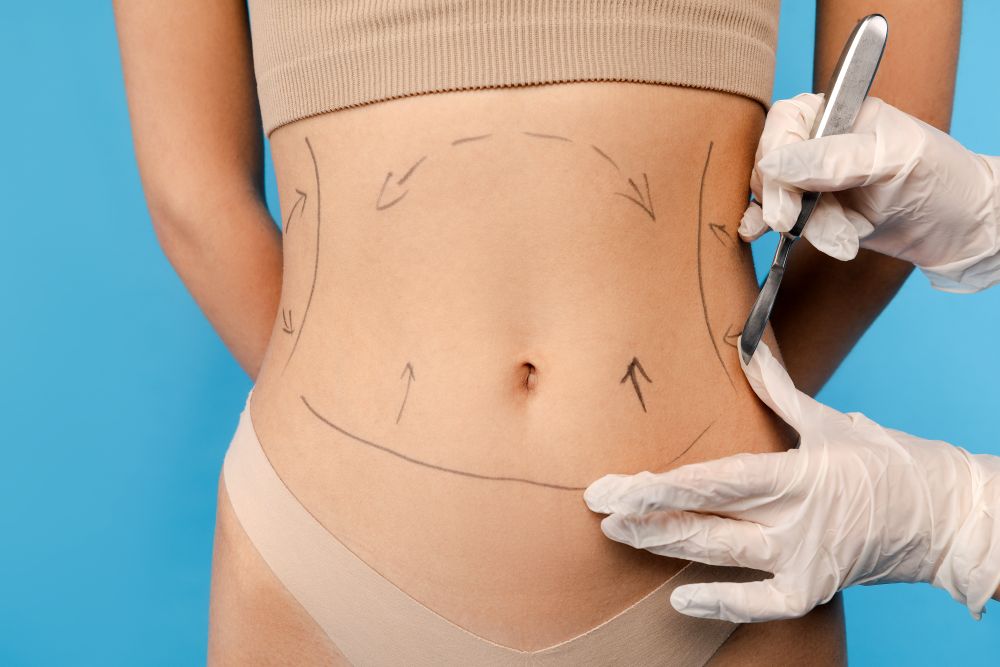
Reverse abdominoplasty is a unique plastic surgery solution for those stubborn upper abdominal concerns that standard procedures often miss. Unlike a typical tummy tuck procedure, which smooths your lower belly, this technique lifts and tightens your skin above your belly button. If you struggle with loose skin in this area, you might find this method especially appealing. Let’s explore how a reverse abdominoplasty works, who it helps, what the surgery involves, and what recovery looks like.
What Is Reverse Abdominoplasty?
A reverse abdominoplasty is a body contouring procedure that focuses on your upper abdominal skin rather than your lower abdomen. It is generally considered when you have already undergone a tummy tuck or when skin laxity is limited primarily to the area above the navel.
Instead of pulling your skin downward, this procedure lifts your remaining skin upward toward the chest. The goal is to remove loose excess skin, fix excess elevated tissue, and improve your upper abdominal contour without repositioning your belly button.
How Reverse Abdominoplasty Differs From a Tummy Tuck
A traditional tummy tuck removes your skin and tissue from your lower abdomen and tightens muscles. In contrast, a reverse tummy tuck works in the opposite direction. Skin is lifted upward, and incisions are placed along the lower breast crease, where scars hide within natural folds.
This method is useful when your abdominal excess loose skin is concentrated above your navel and your lower abdomen has minimal concerns. Some patients may combine both procedures for full abdominal reshaping, but this depends on your anatomy and goals.
Who May Be a Candidate for Reverse Abdominoplasty?
People who experience skin laxity in the upper abdomen after weight changes, pregnancy, or previous surgery may consider this option. It is also considered for patients with excess tissue and excess fatty tissue in the upper abdominal region that does not respond to lifestyle changes.
A consultation with a board-certified plastic surgeon or cosmetic surgeon can help determine whether a reverse abdominoplasty aligns with your needs.
The aesthetic or plastic surgeon evaluates:
- Skin quality
- Fat distribution
- The condition of the remaining tissue
Fixing Excess Skin & Fatty Tissue
The reverse abdominoplasty procedure is all about removing excess skin and fatty excess in the upper abdomen. During surgery, your reconstructive surgeon carefully separates your skin and soft tissue while preserving your vital blood supply. This step is critical for safe repositioning of tissue and healthy recovery.
Some patients may have liposuction added to fix excess fatty tissue, though the main goal remains lifting and reshaping the skin rather than muscle tightening.
The Surgical Procedure Explained
During the surgical procedure, incisions are made along the inframammary fold. This placement allows your aesthetic surgeon to lift your upper abdominal skin upward. The remaining skin is then secured in a higher position, and excess is removed.
A soft tissue sling may be created to support the new contour. This helps stabilize your lifted tissue and maintain the reshaped appearance during the early stages of healing.
Unlike traditional tummy tuck surgery, your belly button usually remains untouched, as the focus is above it.
Importance of Blood Supply & Tissue Handling
Maintaining a healthy blood supply is a priority during reverse abdominoplasty. Careful surgical technique allows the skin and underlying tissue to remain well-perfused as it is repositioned.
This attention to tissue handling supports the healing process and reduces complications related to skin health and recovery.
Reverse Abdominoplasty Recovery & Healing
After surgery, patients generally wear a compression garment to support the abdomen and help control swelling. This garment also helps your skin as it adapts to its new position.
The healing process involves a gradual reduction of tenderness and swelling. Patients are encouraged to follow post-operative guidelines to support proper healing, including incision care and activity limitations.
Most people return to light activities within a few weeks, though full physical routines are resumed more gradually.
Scarring & Appearance After Surgery
Incisions for a reverse abdominoplasty are placed strategically so scars generally hide beneath the breast crease. With time, scars tend to fade and become less noticeable, blending into natural contours.
As swelling subsides, the upper abdominal contour becomes more visible, showing smoother transitions between the chest and abdomen without loose folds of skin.
Combining Reverse Abdominoplasty With Other Procedures
In some cases, a reverse tummy tuck is combined with other plastic surgeries. For example, if you are undergoing breast surgery, you may find it convenient to address upper abdominal concerns at the same time due to the shared incision area.
These decisions depend on your anatomy, your goals, and professional recommendations from a qualified surgeon.
Results & Body Proportion
The goal of reverse abdominoplasty is not any dramatic change, but improved proportion. Removing skin excess and lifting loose skin can help clothing fit better and restore your confidence in your body’s appearance.
Since this procedure targets your upper abdomen, the results are most striking from the side and front, especially when you wear fitted outfits.
Final Thoughts on Reverse Abdominoplasty
A reverse abdominoplasty is a valuable option for those who are struggling with loose upper abdominal skin that cannot be corrected through traditional methods. By lifting the remaining skin, treating excess tissue, and protecting the vital blood supply, the procedure reshapes your upper abdomen with great precision.
Consulting with an experienced surgeon helps you understand expectations, recovery, and suitability for this procedure.
Explore Body Contouring Options With Jim Brantner, MD
If you are considering a reverse tummy tuck or other body contouring procedures, call Jim Brantner, MD, to schedule a consultation. We offer a range of surgical and non-surgical services designed to improve body shape and proportion.
We are offering Tummy Tuck, Liposuction, Mommy Makeover, Breast Augmentation, Breast Lift, Breast Reduction, Upper Arm Contouring, Thigh Lifts, Body Contouring, Injectable Fillers, and Botox®.
Call Jim Brantner, MD, today to learn more and book your appointment.
Frequently Asked Questions
What is the main purpose of a reverse abdominoplasty?
Reverse abdominoplasty is all about removing excess skin and improving contour in your upper abdomen, especially above your belly button.
How is a reverse tummy tuck different from a standard tummy tuck?
A reverse tummy tuck lifts skin upward, while a traditional tummy tuck pulls skin downward and often involves muscle tightening.
Does reverse abdominoplasty address excess fatty tissue?
It can remove abdominal fatty excess, and some patients may have liposuction added to fix excess fatty tissue.
Where are the scars located after surgery?
Incisions are placed along the lower breast crease, where scars generally hide within natural folds.
Who can I consult in Johnson City for reverse abdominoplasty?
Patients in Johnson City often consult Jim Brantner, MD, a board-certified plastic surgeon, to discuss reverse abdominoplasty and related procedures.