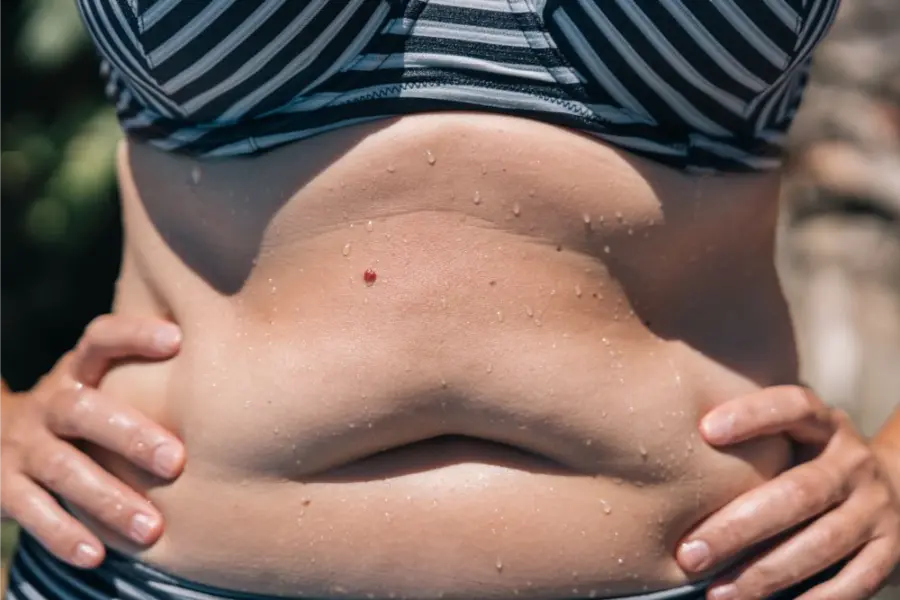
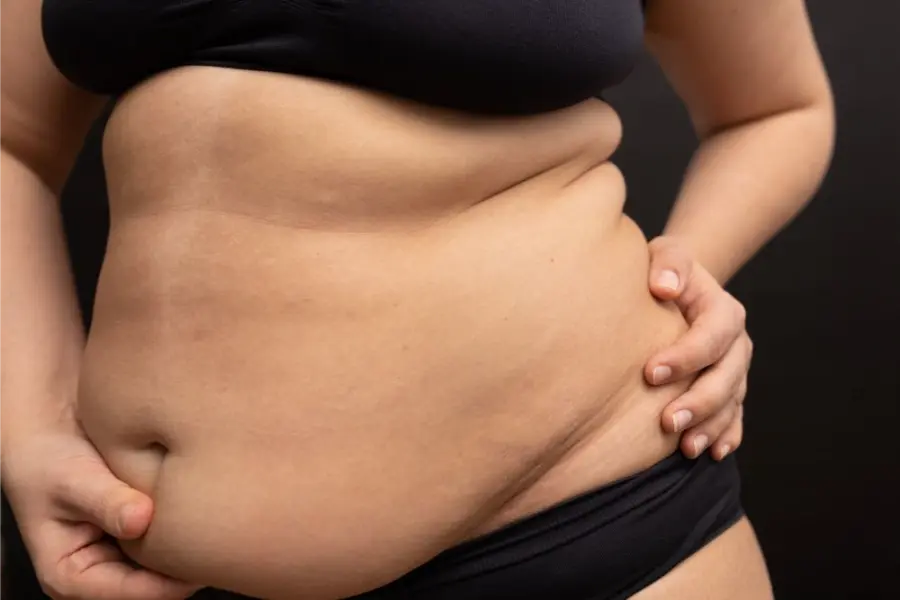
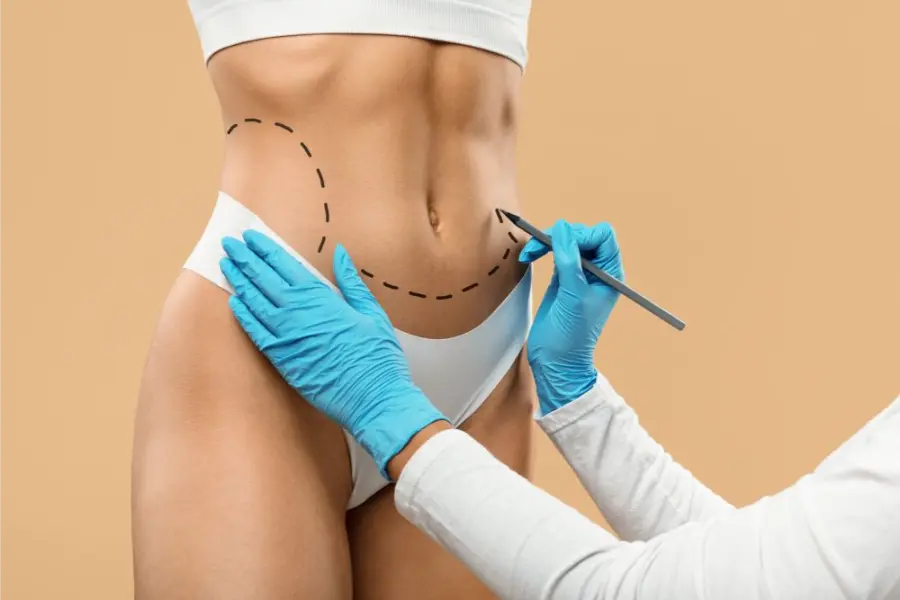
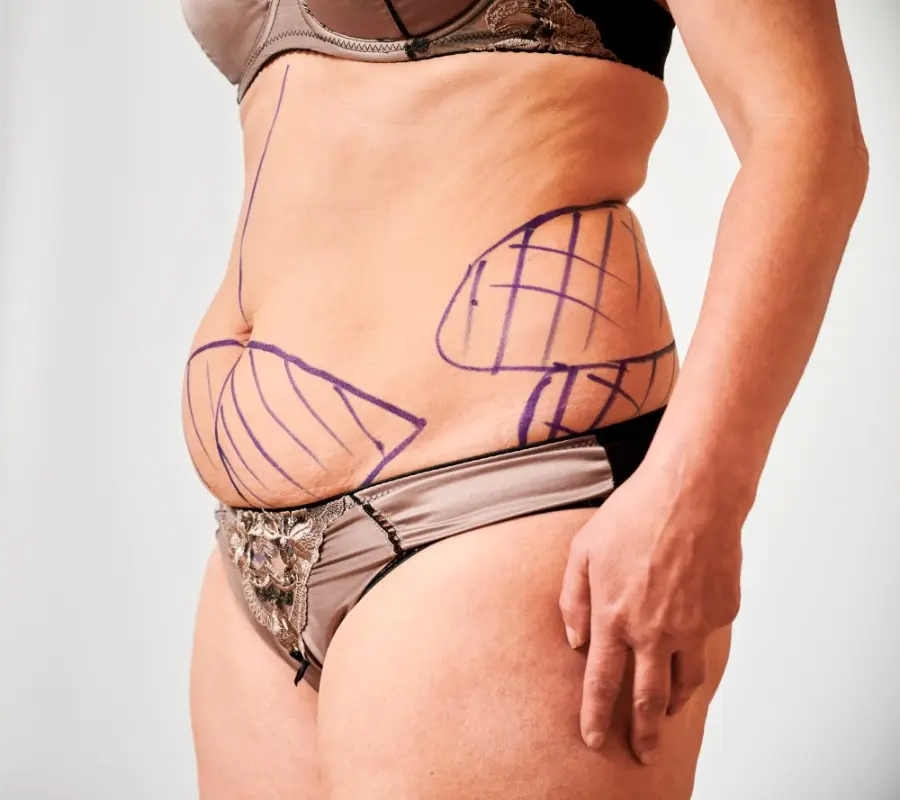
Liposuction has helped many people address stubborn fat that diet and exercise cannot target. A full-body liposuction treatment takes that idea further by targeting multiple areas in one carefully planned approach. This option works well for patients who want balanced results and clear body contouring goals. Many people choose it to remove unwanted fat and support a more defined shape. This blog will break down recovery tips and the timeline for full-body liposuction so you know what to expect. Keep reading to understand how your body heals and how you can support smoother results.
Understanding the Liposuction Procedure & Recovery Basics
A board-certified plastic surgeon performs liposuction surgery by removing fat cells from selected areas. The surgeon focuses on areas that resist change, even with a healthy lifestyle. Full-body liposuction often combines multiple treatment areas into one surgical plan. This approach requires careful post op care.
Liposuction recovery starts as soon as the procedure ends. Your body begins tissue repair right away. Swelling and bruising appear early and signal the start of healing. Most patients feel sore, tight, and tired during the initial phase. These reactions stay normal and expected.
What to Expect in the First Week
The first week sets the tone for your entire healing journey. Significant swelling and bruising appear during this period. Fluid accumulation may also occur in the treated areas. Your surgeon usually prescribes pain medication to help manage pain. Most patients describe the discomfort as pressure rather than severe pain.
You must wear a compression garment at all times during the initial week. Proper compression supports tissues, reduces swelling, and helps the skin adapt to new contours. Gentle movement plays a key role here. Light walking and slow walking encourage circulation and reduce the risk of blood clots. You should avoid heavy lifting and any physical demands during this phase. Focus on rest, hydration, and follow your surgeon’s instructions closely.
Why Compression Garments Matter So Much
Wearing compression garments remains one of the most important recovery tips. Compression helps decrease swelling, supports skin tightening, and improves blood flow. It also helps the skin adjust to the fat cells removed during surgery.
Most surgeons recommend wearing compression garments for several weeks. Proper compression reduces fluid buildup and supports a smoother recovery. Patients who stay consistent often notice better liposuction results over time.
Managing Swelling, Bruising, & Discomfort
Swelling and bruising peak during the first few weeks. Swelling continues even when pain fades. You may notice uneven firmness or mild residual swelling in certain areas. This reaction stays normal during liposuction recovery.
You can minimize swelling by following simple habits:
Maintain a low-sodium diet
Stay hydrated
Avoid alcohol and eliminate toxins
Keep wearing compression garments
These steps encourage lymphatic drainage and support tissue healing. Many patients also benefit from guided lymphatic drainage sessions when approved by their surgeon.
Supporting Healing Through Movement & Circulation
Movement supports healing more than complete bed rest. Gentle movement encourages circulation and improves blood flow. Light walking helps reduce swelling and lowers the risk of blood clots.
During the first few weeks, keep exercise intensity low. Avoid strenuous exercise, running, or weight training. Your body heals faster when you respect its limits. Think of movement as medicine to heal liposuction incisions.
Nutrition & Lifestyle Choices That Aid Recovery
Your recovery process depends heavily on your daily choices. A healthy diet supports tissue repair and helps the body heal. Focus on lean protein, vegetables, fruits, and whole grains. A balanced diet fuels recovery and supports skin elasticity.
Many patients ask about weight changes. Surgeons recommend maintaining a stable weight to protect results. Liposuction removes fat cells permanently, but remaining fat cells can still grow with weight gain. Healthy lifestyle habits protect your new contours.
Gradual Improvements Begin at Week 2-3
During weeks two and three, swelling slowly decreases. Bruising fades, and energy levels improve. Many patients return to desk work and light daily routines during this period.
You may still feel tightness in the treatment area. Mild residual swelling often lingers. Gentle movement and light exercise continue to support healing. Slow walks remain ideal. You should still avoid strenuous exercise and heavy lifting. Your surgeon may adjust compression garment use based on your progress.
Building Toward Normal Activity at Week 4-6
The recovery timeline reaches a turning point around four to six weeks. Most patients regain comfort with daily tasks. Swelling continues to improve, though some areas may still hold fluid.
Many surgeons allow gradual increases in exercise intensity during this stage. Light strength training and controlled movement may begin with approval. Always follow professional guidance to ensure optimal healing. Skin tightening continues as skin elasticity responds to the new shape. Patients who combine liposuction with skin tightening treatments may notice enhanced firmness during this stage.
Understanding the Role of Follow-Up Appointments
Follow-up appointments play a critical role in recovery. These visits allow your plastic surgery provider to track progress and address concerns. Your surgeon checks swelling, healing, and contour changes.
You should attend follow-up appointments as scheduled. These visits help ensure optimal healing and long-term results. Patients who stay engaged in post-op care often achieve better outcomes.
Long-Term Healing & Final Results
Final liposuction results take time. Your body heals gradually, and swelling resolves slowly. Many patients notice ongoing improvements for several months. Mild residual swelling can persist but continues to fade.
Final results usually appear once swelling fully resolves and tissues settle. New contours become more defined, and clothing often fits better. Patients who maintain a healthy lifestyle tend to enjoy lasting benefits.
Common Concerns During the Healing Process
Some patients worry about excess skin after fat removal. Skin elasticity plays a major role here. Younger patients or those with good skin tone often see better skin adaptation. Skin tightening treatments may help in some cases.
Pain levels vary, but severe pain requires immediate medical attention. Sudden swelling, redness, or shortness of breath also requires urgent evaluation due to the risk of blood clots.
Tips for a Smoother Recovery Experience
A smoother recovery depends on consistency and patience. You can support healing by:
Wearing compression garments as directed
Following pain medication instructions
Eating a healthy diet
Staying hydrated
Avoiding strenuous exercise too soon
These habits support tissues and help ensure optimal healing throughout the recovery timeline.
Planning Your Full-Body Liposuction with Dr. Jim Brantner, MD
Recovering from full-body liposuction raises one question for almost every patient: how long will it really take, and am I healing the right way? Swelling, activity limits, and body changes can feel overwhelming without clear medical guidance. Dr. Jim Brantner, MD, works closely with patients to set realistic recovery timelines, manage post-procedure expectations, and support safe healing from day one.
Apart from liposuction, his practice also offers breast augmentation, cosmetic surgery consultations, and personalized post-operative care plans designed around long-term results. If you want expert oversight from consultation through recovery, schedule your consultation or contact us today and take the next step with confidence in your care.
FAQs
Choosing the right surgeon and understanding the process makes recovery easier. Below are common questions patients ask when considering care with Dr. Jim Brantner, MD.
Q1. Why should I choose Dr. Jim Brantner, MD, for liposuction surgery?
A: Dr. Jim Brantner, MD, brings extensive experience as a board-certified plastic surgeon. He focuses on patient safety, detailed planning, and natural-looking body contouring results.
Q2. How does Dr. Brantner guide patients through liposuction recovery?
A: Dr. Brantner provides clear post op instructions, structured recovery plans, and consistent follow-up appointments to support optimal healing and long-term results.
Q3. What body contouring procedures can Dr. Brantner combine with liposuction?
A: Dr. Brantner may combine liposuction with skin tightening or other body contouring procedures when appropriate. He tailors each plan to individual body contouring goals.
Q4. How long does recovery take under Dr. Brantner’s care?
A: Most patients recover within four to six weeks, though healing varies. Dr. Brantner monitors progress closely and adjusts guidance to support each patient’s healing journey.
Q5. How can I maintain my final liposuction results long-term?
A: Dr. Brantner encourages a healthy lifestyle, a balanced diet, and a stable weight to protect final liposuction results and maintain new contours over time.
Filler treatments rank among the top modern aesthetic treatment options. People choose injectable fillers because they offer immediate improvement without surgery. These cosmetic injectables help restore volume, soften wrinkles, and support natural beauty. Many patients want a youthful appearance but also want results that feel balanced. That goal requires more than just a filler injected into the skin. It requires a clear understanding of how long injectable fillers typically last and when you should get a touch-up. This blog will explain how fillers last and how to time maintenance appointments. If you want natural-looking results, keep reading.
What Injectable Fillers Actually Do
Injectable fillers add volume to targeted areas of the face. Providers place dermal filler injections into specific facial features to support structure and smooth fine lines. Most fillers contain gel-like substances that blend with the skin.
Hyaluronic acid fillers lead the field because hyaluronic acid acts as a naturally occurring substance in the body. These fillers attract water and support glowing skin. Other options, such as poly (lactic acid), stimulate collagen over time. Soft tissue fillers help correct volume loss in areas like the cheeks, lips, and under-eye area. This non-surgical approach delivers results without extended downtime.
Types of Dermal Fillers & Why They Matter
The type of filler used plays a major role in how long results last. Hyaluronic acid fillers often last between 6 and 18 months. Some fillers last up to 2 years when placed in areas with less movement. Polylactic acid works differently and builds results gradually.
Lip fillers often fade faster because the facial muscles in that area move constantly. Fillers generally last longer in the cheeks and jawline because those areas experience less muscle movement. Each dermal filler treatment relies on unique properties, so providers always tailor the treatment plan to facial anatomy and aesthetic goals.
How Long Do Dermal Fillers Typically Last
Dermal fillers last for different lengths of time depending on several factors. The type of filler affects duration. The treatment area also plays a role. Faster metabolisms break down fillers sooner. Regular exercise can shorten filler longevity.
Sun exposure can also shorten the lifespan of fillers. Most patients see results lasting anywhere from 6 months to 2 years. Fillers typically fade slowly, so changes appear gradual rather than sudden. This slow fade helps maintain a natural appearance and avoids drastic shifts in facial contours.
Areas That Lose Volume Faster
Certain treated areas lose volume faster than others. Lip fillers often require touch-up treatments sooner because of frequent muscle movement. Smile lines and nasolabial folds also break down filler faster due to daily facial expressions. The under-eye area tends to hold filler longer when providers place it carefully. Cheeks and jawlines often show the longest results. Deeper wrinkles and deeper lines may also require earlier maintenance because they need more support. Providers evaluate each injection site to ensure balance and safety.
Signs That Tell You It’s Time for a Touch Up
Your face gives clear signals when you need a touch-up appointment. Fine lines begin to reappear. Wrinkles look more defined. Volume loss becomes visible again. Sagging skin may return in certain areas. Lip fullness may decrease, and acne scars may appear more noticeable. As a result, the desired look starts to fade.
Many patients notice these changes within a few weeks to months, depending on the filler. A follow-up appointment helps address these shifts before results fully disappear. Touch-ups help maintain facial contours and preserve a more youthful appearance.
Why Touch Up Treatments Matter
Touch-up treatments help you stay ahead of filler breakdown. These small adjustments support natural-looking results and avoid overcorrection. Providers often use less product during a touch-up than during the initial treatment.
Regular follow-up appointments allow providers to track how your skin responds over time. This approach supports consistent results and protects facial anatomy. A touch-up also helps refine symmetry and adjust volume where needed. Maintenance appointments often deliver better long-term outcomes than waiting for fillers to fade completely.
What Happens During a Touch-Up Appointment
A touch-up appointment usually feels quick and straightforward. The provider reviews your aesthetic goals and assesses treated areas. They evaluate muscle movement and facial features. Most providers use a local anesthetic to improve comfort. The filler injected targets areas that lost volume or definition.
The process remains minimally invasive and efficient. Most patients return to daily activities the same day. You may experience temporary swelling or mild redness at the injection site, which fades quickly.
Aftercare & How It Affects Filler Longevity
Proper aftercare plays a key role in how long fillers last. Providers give specific aftercare instructions provided after every treatment. These instructions may include avoiding heavy exercise for a short period. Patients should limit sun exposure and heat. Avoid touching or pressing the treatment area.
Experience temporary swelling as part of the normal healing process. Maintain a healthy lifestyle with a balanced diet and regular exercise. Hydration supports hyaluronic acid fillers and helps maintain skin quality. Proper aftercare protects results and reduces the risk of complications.
Lifestyle Factors That Influence Results
Lifestyle choices influence filler longevity more than many people expect. Faster metabolisms process fillers quicker. Regular exercise improves health but may slightly shorten the results. Sun exposure accelerates skin aging and the breakdown of fillers. Smoking reduces skin quality and collagen support. A healthy lifestyle supports glowing skin and better outcomes. Patients who follow aftercare guidance and attend regular follow-up appointments often enjoy longer-lasting results.
Why Expertise Makes a Difference
Dermal filler treatment requires deep knowledge of facial anatomy. Providers must understand facial muscles, volume patterns, and skin behavior. Precision ensures a natural appearance and balanced results. Experienced providers design a treatment plan based on individual needs. They choose the right type of filler and placement technique. This expertise reduces risks and improves satisfaction. Patients who trust skilled professionals often achieve desired results with fewer adjustments.
Final Thoughts on Timing Your Touch Ups
Injectable fillers offer flexibility and control. They allow patients to refresh their look without surgery. Understanding how long fillers last helps you plan maintenance with confidence. Touch-ups keep results consistent and refined. Most patients benefit from routine evaluations rather than waiting for full fade. A proactive approach supports natural beauty and long-term satisfaction.
Filler Treatment & Touch-Ups with Dr. Jim Brantner, MD
One of the most common concerns with injectable fillers is knowing how long results will last and when a touch-up makes sense without overdoing it. Changes in facial movement, metabolism, and product type can all affect how long fillers hold their shape.
Dr. Jim Brantner, MD, provides clear guidance on filler duration, touch-up timing, and natural-looking maintenance plans based on your facial structure and goals. In addition to injectable fillers, his practice offers mommy makeovers, facial rejuvenation treatments, and detailed aesthetic care under expert medical supervision.
Before scheduling treatment, many patients want clear answers. Below are common questions patients ask when considering dermal fillers with Dr. Jim Brantner, MD.
Q1. How does Dr. Jim Brantner, MD, customize filler treatments?
A: Dr. Jim Brantner, MD, evaluates facial anatomy, skin condition, and aesthetic goals before treatment. He designs each treatment plan to support natural-looking results and facial balance.
Q2. How long do results usually last with Dr. Jim Brantner, MD?
A: Results vary depending on the type of filler used and the treatment area. Many patients see results lasting from several months up to two years with proper care and maintenance.
Q3. Does Dr. Jim Brantner, MD, offer follow-up appointments?
A: Yes. Dr. Jim Brantner, MD, schedules regular follow-up appointments to assess results, plan touch-up treatments, and ensure optimal outcomes.
Q4. What should patients expect after filler injections?
A: Most patients experience temporary swelling or mild redness at the injection site. Dr. Jim Brantner, MD, provides specific aftercare instructions to support healing and longevity.
Q5. Can dermal fillers help with acne scars and deeper wrinkles?
A: Yes. Dr. Jim Brantner, MD, uses dermal fillers to soften acne scars, deeper wrinkles, and volume loss while preserving a natural appearance.
Reverse abdominoplasty is a unique plastic surgery solution for those stubborn upper abdominal concerns that standard procedures often miss. Unlike a typical tummy tuck procedure, which smooths your lower belly, this technique lifts and tightens your skin above your belly button. If you struggle with loose skin in this area, you might find this method especially appealing. Let’s explore how a reverse abdominoplasty works, who it helps, what the surgery involves, and what recovery looks like.
What Is Reverse Abdominoplasty?
A reverse abdominoplasty is a body contouring procedure that focuses on your upper abdominal skin rather than your lower abdomen. It is generally considered when you have already undergone a tummy tuck or when skin laxity is limited primarily to the area above the navel.
Instead of pulling your skin downward, this procedure lifts your remaining skin upward toward the chest. The goal is to remove loose excess skin, fix excess elevated tissue, and improve your upper abdominal contour without repositioning your belly button.
How Reverse Abdominoplasty Differs From a Tummy Tuck
A traditional tummy tuck removes your skin and tissue from your lower abdomen and tightens muscles. In contrast, a reverse tummy tuck works in the opposite direction. Skin is lifted upward, and incisions are placed along the lower breast crease, where scars hide within natural folds.
This method is useful when your abdominal excess loose skin is concentrated above your navel and your lower abdomen has minimal concerns. Some patients may combine both procedures for full abdominal reshaping, but this depends on your anatomy and goals.
Who May Be a Candidate for Reverse Abdominoplasty?
People who experience skin laxity in the upper abdomen after weight changes, pregnancy, or previous surgery may consider this option. It is also considered for patients with excess tissue and excess fatty tissue in the upper abdominal region that does not respond to lifestyle changes.
A consultation with a board-certified plastic surgeon or cosmetic surgeon can help determine whether a reverse abdominoplasty aligns with your needs.
The aesthetic or plastic surgeon evaluates:
Skin quality
Fat distribution
The condition of the remaining tissue
Fixing Excess Skin & Fatty Tissue
The reverse abdominoplasty procedure is all about removing excess skin and fatty excess in the upper abdomen. During surgery, your reconstructive surgeon carefully separates your skin and soft tissue while preserving your vital blood supply. This step is critical for safe repositioning of tissue and healthy recovery.
Some patients may have liposuction added to fix excess fatty tissue, though the main goal remains lifting and reshaping the skin rather than muscle tightening.
The Surgical Procedure Explained
During the surgical procedure, incisions are made along the inframammary fold. This placement allows your aesthetic surgeon to lift your upper abdominal skin upward. The remaining skin is then secured in a higher position, and excess is removed.
A soft tissue sling may be created to support the new contour. This helps stabilize your lifted tissue and maintain the reshaped appearance during the early stages of healing.
Unlike traditional tummy tuck surgery, your belly button usually remains untouched, as the focus is above it.
Importance of Blood Supply & Tissue Handling
Maintaining a healthy blood supply is a priority during reverse abdominoplasty. Careful surgical technique allows the skin and underlying tissue to remain well-perfused as it is repositioned.
This attention to tissue handling supports the healing process and reduces complications related to skin health and recovery.
Reverse Abdominoplasty Recovery & Healing
After surgery, patients generally wear a compression garment to support the abdomen and help control swelling. This garment also helps your skin as it adapts to its new position.
The healing process involves a gradual reduction of tenderness and swelling. Patients are encouraged to follow post-operative guidelines to support proper healing, including incision care and activity limitations.
Most people return to light activities within a few weeks, though full physical routines are resumed more gradually.
Scarring & Appearance After Surgery
Incisions for a reverse abdominoplasty are placed strategically so scars generally hide beneath the breast crease. With time, scars tend to fade and become less noticeable, blending into natural contours.
As swelling subsides, the upper abdominal contour becomes more visible, showing smoother transitions between the chest and abdomen without loose folds of skin.
Combining Reverse Abdominoplasty With Other Procedures
In some cases, a reverse tummy tuck is combined with other plastic surgeries. For example, if you are undergoing breast surgery, you may find it convenient to address upper abdominal concerns at the same time due to the shared incision area.
These decisions depend on your anatomy, your goals, and professional recommendations from a qualified surgeon.
Results & Body Proportion
The goal of reverse abdominoplasty is not any dramatic change, but improved proportion. Removing skin excess and lifting loose skin can help clothing fit better and restore your confidence in your body’s appearance.
Since this procedure targets your upper abdomen, the results are most striking from the side and front, especially when you wear fitted outfits.
Final Thoughts on Reverse Abdominoplasty
A reverse abdominoplasty is a valuable option for those who are struggling with loose upper abdominal skin that cannot be corrected through traditional methods. By lifting the remaining skin, treating excess tissue, and protecting the vital blood supply, the procedure reshapes your upper abdomen with great precision.
Consulting with an experienced surgeon helps you understand expectations, recovery, and suitability for this procedure.
Explore Body Contouring Options With Jim Brantner, MD
If you are considering a reverse tummy tuck or other body contouring procedures, call Jim Brantner, MD, to schedule a consultation. We offer a range of surgical and non-surgical services designed to improve body shape and proportion.
We are offering Tummy Tuck, Liposuction, Mommy Makeover, Breast Augmentation, Breast Lift, Breast Reduction, Upper Arm Contouring, Thigh Lifts, Body Contouring, Injectable Fillers, and Botox®.
Nose reconstruction is a type of nasal surgery that restores function, structure, or appearance after illness, injury, or previous procedures. Since your nose is the centerpiece of your facial harmony, it is natural to wonder about the recovery process. Understanding what to expect after surgery helps you set realistic goals and feel more confident as you heal. Let’s explore the rhinoplasty recovery journey, the changes you might notice, and simple care tips in easy-to-understand terms.
Basics of Nose Reconstruction Surgery
Nose reconstruction is all about repositioning nasal bones, reshaping cartilage, correcting a deviated septum, or restoring your damaged nasal passages. Some procedures resemble a cosmetic nose job, while others are about structural repair after illness or injury. In both cases, recovery follows a predictable pattern that is influenced by surgical technique, your health, and the following of the surgeon’s instructions.
Because our nose contains delicate skin, cartilage, and bone, the healing process takes place in stages rather than all at once.
Rhinoplasty Recovery Process: Weeks Or Months?
Be aware that the full rhinoplasty recovery time varies, but most patients notice gradual improvement week by week. Initial healing happens within the first few weeks, while deeper tissue changes continue beneath the surface for a few months.
Early bruising and swelling usually appear right after rhinoplasty surgery. As days pass, visible signs decrease, though internal swelling may linger a bit longer. The final shape of your nose becomes clear only after the tissues settle fully.
The First Week After Nasal Surgery
The first week stands out as the most noticeable part of recovery. During these early days, you might experience:
Facial swelling
Bruising around the eyes
Pressure in the nose
A dressing may be placed to support the nose’s shape. Cosmetic or plastic surgeons usually recommend keeping the head elevated, even during sleep. Using pillows or rolled-up towels helps maintain this position. This simple step can help reduce swelling and limit pressure on your swollen nasal tissues.
Cold packs or cold compresses may also be suggested for your cheeks, not directly on the nose. Pain is manageable with prescribed pain medication, and severe pain should always be reported to your plastic surgeon immediately.
Breathing & Nasal Passages During Recovery
It is worth noting that temporary congestion is common as the nasal passages adjust. You may feel blocked breathing due to internal swelling rather than mucus. A saline nasal spray is generally used to keep tissues moist.
Patients are advised not to blow their nose during early healing. Blowing can create too much pressure, which increases swelling or disrupts your internal stitches. Therefore, you should sneeze with your mouth open to limit the force inside the nose.
Rhinoplasty Recovery Timeline: Second Week to Fourth Week
By the second week, you will notice a visible reduction in bruising and nasal swelling. External splints are removed, allowing a clearer view of the new contour. But subtle swelling may remain, especially around your nasal tip.
During this phase, daily routines gradually resume. Light activities are allowed, but strenuous exercise must be avoided. Activities that raise your blood pressure can increase nasal swelling and delay tissue adjustment.
Many patients return to work or social activities within 2 to 3 weeks, depending on comfort and appearance.
Internal Healing & Ongoing Changes
Even when your nose looks settled on the outside, deeper layers continue to heal. Cartilage adjustments to the nasal septum evolve slowly. This is why plastic surgeons explain that the internal healing continues long after surface swelling fades.
If you went through open rhinoplasty, you may notice slightly longer swelling at the tip due to the incision approach. This is expected and improves gradually.
Sun Exposure & Skin Care
Protecting your nose from sun exposure is an important part of nose job recovery. Healing nasal skin sometimes reacts strongly to sunlight, causing discoloration or prolonged redness. Hats and shade are recommended when outdoors.
Too much sun may cause lingering color changes around areas of incision. Sunscreen may be approved after early healing, based on guidance from a facial plastic surgeon.
Diet, Hydration, & Daily Habits
A healthy diet supports tissue repair by providing nutrients that are needed for your skin and cartilage recovery. Hydration helps manage swelling and supports blood circulation.
Also, remember that alcohol and excess salt intake can increase swelling, so they must be limited during the early stages of recovery. Smoking is also strongly discouraged, as it can interfere with blood flow to healing tissues.
Following activity limits and rest recommendations supports proper healing throughout the recovery process.
When to Contact Your Plastic or Cosmetic Surgeon
Mild discomfort and swelling are part of the process and usually nothing to worry about. However, some symptoms need quick attention, including:
Sudden bleeding
Sharp pain
Changes in breathing
All these should be reported to the surgeon immediately. And attending follow-up appointments allows your surgeon to monitor progress and guide adjustments as your nose continues to settle.
Emotional Adjustment During Recovery
It is common for you to feel uncertain during recovery, especially while swelling changes day to day. Your nose may look uneven or larger at first. But don’t worry because these changes are temporary.
Understanding the rhinoplasty recovery timeline helps you remain patient as your nose gradually reaches its refined appearance. As swelling resolves, improvements in breathing, contour, and facial balance become clearer.
Final Appearance & Results
Although early improvements appear within weeks, your nose continues to refine for months. The final shape becomes visible as your deeper tissues stabilize and your skin adjusts to underlying support.
You will feel satisfied as healing progresses and your nose blends naturally with your other facial features. Open communication with the nose surgeon during recovery supports confidence at each stage.
Jim Brantner, MD: Advanced Surgical & Non-Surgical Care
If you are considering nose surgery or other procedures within facial plastic surgery or plastic surgery, call Jim Brantner, MD, to book a consultation in Johnson City, Tennessee. We offer surgical and non-surgical services focused on facial harmony and body contouring. These include Neck Lift, Brow Lifts, Eyelid Surgery, Rhinoplasty, Facelifts, Injectable Fillers, Botox®, Juvederm®, Liposuction, Tummy Tuck, Breast Augmentation, and Breast Reduction.
Call us today to book your consultation and learn more about available procedures.
Frequently Asked Questions
How long does nose reconstruction recovery time usually last?
Initial recovery generally takes a few weeks, with swelling slowly decreasing. Internal healing continues for several months as tissues adjust.
Is rhinoplasty recovery different from other nose reconstruction procedures?
The rhinoplasty recovery process is similar in many ways, though complexity, surgical methods, and internal adjustments can influence the timeline.
Can exercise affect rhinoplasty recovery time?
YES, Returning to strenuous exercise too early can increase swelling and gradual healing. Activity limits should follow medical guidance.
When can I see the final shape of my nose after surgery?
Visible changes appear within weeks, but the final shape may take several months as subtle swelling resolves.
Who should I consult for nose reconstruction in Johnson City?
Patients who are searching for care in Johnson City often schedule a rhinoplasty consultation with Jim Brantner, MD, a facial plastic surgeon experienced in nasal and facial procedures.
Dysport is a popular injectable treatment for facial wrinkles, including crow’s feet, frown lines, and forehead wrinkles. Many patients ask, “How long does Dysport last?” and “What factors affect its average duration?” Understanding the factors, treatment process, and post-treatment care can help you get the most from your Dysport treatments. Let’s discuss how long Dysport lasts.
How Dysport Works
Dysport contains botulinum toxin, which temporarily relaxes the facial muscles that cause facial wrinkles. When the facial muscles contract, they create creases and lines over time. By targeting these muscles with Dysport injections, the muscle movement is reduced, softening lines and preventing deeper wrinkles from forming. This process is particularly efficacious in treating frown lines, forehead lines, and crow’s feet.
An experienced injector can identify the correct treatment area for the best Dysport results. Every patient has different facial muscles, so creating a personalized treatment plan is the real deal. The treatment session is quick, usually taking 15 to 30 minutes, and the procedure is FDA approved.
Average Duration of Dysport Results
You might want to know the average duration of Dysport results. On average, how long does Dysport last ranges from 3 to 5 months. Some people may notice effects wearing off slightly sooner, while others experience results that last longer. Factors like metabolism, age, and the strength of facial muscles play a major role.
Repeated Dysport treatments can extend the results. If you want to maintain regular treatments, you generally see more consistent improvements in facial wrinkles and may notice slower recurrence of lines.
Also, follow-up treatments are super important to maintain a youthful appearance, particularly in areas on your face with frequent muscle movement, such as your forehead and area around your eyes.
Factors That Influence How Long Dysport Lasts
Several individual factors affect how long Dysport lasts. Here are some things to keep in mind if you are considering Dysport.
Strength of Your Facial Muscles
If you have strong or highly active facial muscles, you may see results fade more quickly.
Age
Older patients may notice a slightly shorter duration due to changes in skin elasticity and muscle movement.
Lifestyle
Stress, sun exposure, and smoking can influence Dysport results and facial wrinkles.
Skincare Routine
A consistent skincare routine can support longer-lasting Dysport results by keeping your skin hydrated and healthy.
Area of the Treatment
Areas with frequent movement, such as crow’s feet or forehead lines, may require more frequent maintenance treatments.
Understanding these factors helps you set realistic expectations for how long Dysport lasts in your case.
Treatment Process & Post-Treatment Care
The treatment process begins with a consultation with your plastic or cosmetic surgeon, who will:
Evaluate your facial muscles
Identify problem areas
Develop a treatment plan
During the treatment session, the Dysport injections are placed precisely into the targeted treatment area. You may feel slight discomfort, but dont worry because the procedure is minimally invasive.
After treatment, post-treatment care is needed to maximize Dysport results. Patients are generally advised to:
Avoid rubbing the treated area
Limit strenuous activity for 24 hours
Avoid excessive sun exposure
Gentle facial movements can continue immediately, but being careful helps prevent Dysport results from wearing off too quickly.
How to Manage Expectations After Dysport
Patients often ask, “How long will Dysport last before lines return?” You should know that Dysport injections do not permanently stop facial wrinkles. The treatment softens lines by reducing facial muscle contraction, but repeated muscle movement will gradually bring back crow’s feet, frown lines, and forehead wrinkles.
A custom-made treatment plan with follow-up treatments allows for consistent improvement. Many patients schedule Dysport maintenance treatments every 3 to 4 months to maintain results. Your experienced injector can monitor progress and adjust your treatment plan for the best results.
Areas Commonly Treated with Dysport
Dysport treatments can fix several common areas of concern:
Frown lines between your eyebrows
Wrinkles on your forehead
Crow’s feet at the outer corners of your eyes
Fine lines around your chin or your mouth
By targeting these treatment areas, you can achieve a natural look. Proper injection technique is crucial, which is why choosing an experienced injector is super important for Dysport results that look natural.
How to Extend Dysport Results
While Dysport effects gradually diminish, there are ways to extend how long Dysport lasts:
Schedule regular treatments according to the treatment plan made by your doctor.
Minimize sun exposure and wear sunscreen daily.
Avoid excessive alcohol and smoking, as these can accelerate facial wrinkles.
Follow post-treatment care instructions provided by your injector.
By combining these steps with follow-up treatments, you can enjoy smoother skin and softened lines for longer.
To Wrap It All Up
Knowing how long Dysport works helps you have realistic expectations if you are thinking about this FDA-approved shot. It usually lasts 3 to 5 months, depending on how much you move your face and how strong your facial muscles are. Getting Dysport regularly, coming in for follow-up visits, and taking care of your skin after treatment help you get the best results. You can treat areas like crow’s feet, frown lines, and wrinkles on your forehead, and having a treatment plan helps you get the best outcome.
Picking someone with experience to give you Dysport makes a big difference in getting results that look natural and last.
Schedule Your Dysport Consultation with Dr Jim Brantner, MD
If you’re curious about how long Dysport lasts or want to get rid of frown lines, forehead lines, or crow’s feet, call Jim Brantner, MD, today. We offer cosmetic procedures, including Dysport, facelifts, brow lifts, injectable fillers, neck lifts, eyelid surgery, breast lift procedures, liposuction, tummy tuck, and non-surgical treatments.
We’ve worked in Johnson City for years, and you can explore our before-and-after photos on our website to see what our procedures look like. If you’d like information about financing, just give us a call. For the best plastic surgeon in Johnson City, reach out and book your consultation with us.