
Feb 25, 2025 | Uncategorized
Facelifts can restore youth and reverse the signs of facial aging. Still, recovery time varies significantly for each patient depending on factors like health status, surgeon skill, and compliance with post-op instructions. Implementing certain strategies can aid in speeding up recovery. This may include sleeping with the head elevated, avoiding salty foods, and taking all prescribed pain medication as prescribed. Here are some of the best tips to speed up the recovery process of facelift surgery.
Eat a Nutrient-Rich Diet for Skin Repair
Nutritional food selection is an integral component of facelift recovery. Your diet should contain lean proteins to assist tissue repair, antioxidant-rich foods to combat inflammation, and nutrient-dense fruits and vegetables for maximum effect.
Foods such as berries, sweet potatoes, leafy greens, and broccoli contain many essential vitamins and minerals for skin and bone health, such as Vitamin C for improving complexions and Calcium to strengthen bones.
Start planning changes to your diet at least 4-6 weeks before cosmetic surgery. Create a meal plan, prepare healthy meals in bulk, and freeze any extras – this will save both time and effort in recovery and reduce the likelihood of indulging in unhealthy eating afterward.
Stay Hydrated to Promote Faster Healing
Hydration and nutrition are key for a fast recovery from facelift surgery. Be sure to drink plenty of water and consume foods rich in vitamins, minerals, and proteins for maximum recovery speed.
Consistently following your surgeon’s post-op instructions after your facelift surgery will also help reduce swelling, prevent complications, and enable you to reap all its benefits.
Get Plenty of Rest to Support Recovery Process
Strict activity during recovery may strain healing facelift muscles and lead to further complications, so you must follow your physician’s orders and limit activity until it is safe.
At around the four-week mark, most patients should feel ready to resume their usual daily activities without risk of further swelling or bruising. Light exercise such as stretching or yoga may be gradually introduced again at this time if it doesn’t place undue strain on incision sites.
Light cardiovascular exercise may help the blood flow freely to your face; however, listen to what works for you and respect what doesn’t.
Keep Your Head Elevated to Reduce Swelling
A balanced diet and plenty of water are crucial components of successful skin and wound healing, yet smoking and excessive drinking may hinder recovery after facelift surgery.
Swelling and bruising often reach their highest point within 48 hours following facelift surgery, so applying cold compresses to your cheeks may help minimize these effects. Place a washcloth between yourself and the cold pack to reduce frostbite risk.
Sleeping with two to three pillows under your head can also help minimize facial swelling in recovery, making this step particularly important during the first two weeks after facelift surgery.
Stay Away from Hot Environments
Cooling compresses can help alleviate swelling, but heat sources can exacerbate it further. Our facial plastic surgeon advises staying away from environments that create heat during facelift recovery, avoiding spending time outdoors, using heat lamps, or taking hot showers.
Colder temperatures may help speed recovery after a facelift, as hot temperatures can exacerbate tissue inflammation and increase bruising. Furthermore, winter is generally seen as less of an active social season anyway.
A nutrient-rich diet and water consumption are essential elements for successful facelift recovery. Furthermore, avoiding processed and salty meals can reduce inflammation and fluid retention, helping speed recovery. With proper care and consideration, you may experience a faster, smoother, and more rapid healing post-surgery.
Keep Your Head Up
As part of your facelift recovery, your head must be elevated as much as possible to reduce swelling and bruising. Sleeping on a few pillows for several days post-surgery may also aid healing.
By the second week post-surgery, most patients should feel well enough to start moving freely around and engaging in light physical activities that stimulate blood flow. While bruising and swelling may still exist initially, they’ll eventually fade.
Importantly, you must also follow your plastic surgeon’s advice regarding rest and recovery for an expedient healing process. Be sure to attend all follow-up appointments as scheduled! Moreover, you can understand the difference between facelift and botox to choose the best surgery.
Avoid Sun Exposure & Exhausting Activities
Relaxation is key to facelift recovery. Additionally, you must follow all instructions provided by your physician for post-op care, which may include refraining from certain activities that could exacerbate swelling and bruising.
Sleep with your head elevated for maximum efficacy to minimize facial swelling and discomfort after surgery. Sleep on two to three pillows for support during the initial 4-6 weeks after your surgical procedure.
As part of your facelift surgery recovery plan, having someone available can also be invaluable regarding transportation and meal preparation. A supportive environment may also help keep you on schedule with taking medications as prescribed.
Schedule Follow-Up Appointments
An effective facelift requires taking special care to follow all recovery instructions, which may include refraining from strenuous activities, taking medication as directed, and attending all postoperative follow-up appointments to monitor healing.
These appointments allow your surgeon to detect issues early, helping reduce complications and ensure you experience a faster recovery timeframe. We can also make necessary modifications to your care plan as necessary.
Following these tips can speed up the facelift recovery process and achieve a refreshed appearance as quickly as possible. Once residual swelling and bruising subside, your new facial features will emerge beautifully! For any questions about accelerating healing processes quickly or otherwise, contact us.
Conclusion
A smooth and speedy facelift recovery is achievable by adhering to essential post-operative care guidelines. Following these strategies can expedite the healing process, and you can enjoy the rejuvenated, youthful appearance you desire. Stay in close contact with your medical team for personalized advice and support during recovery.
Top Notch Facelift Surgery Clinic | Jim Brantner M.D.
Our clinic specializes in expert facelift procedures, helping you achieve a youthful, rejuvenated look. We also provide personalized post-op care instructions to ensure a smooth recovery. Experience the transformation you deserve with Jim Brantner‘s expert cosmetic surgery services.
From liposuction to thigh lifts, we specialize in body contouring to enhance your natural beauty. Book your consultation today to explore our range of services, including upper arm contouring and vaginal rejuvenation.

Feb 25, 2025 | Uncategorized
Women who are dissatisfied with the appearance of their labia minora may benefit from undergoing labiaplasty surgery, though they must understand both wedge and trim techniques before proceeding. Your surgeon will use the wedge technique to remove a V-shaped section of labia minora tissue, which potentially reduces excess thickness in the center but fails to address asymmetry or lengthening on either end. Let’s discuss the major differences between wedge and trim labiaplasty and understand which is better.
The Wedge Technique Maintains the Labial Border
Trim techniques involve extracting a wedge-shaped tissue section from the inner labia minora, thus shortening and tucking them. They may also produce an attractive light-coloured labial border that appeals to some women.
This method is simple to execute and usually results in minimal visible scarring; however, any surgical procedure involving incisions comes with the risk of infection and other complications.
As this incision is internal, there will be less stress on stitches during healing. This reduces risk but may slow recovery time; however, these risks are minimized with skilled surgery. Here are some of the most common questions to ask a surgeon.
Does Not Remove Pigmentation
The wedge technique preserves color gradation and natural irregularities of labia minora edges for an inconspicuous post-surgery result that won’t look altered by surgery; however, patients may notice darker toning in their labia minora edges.
- Some women prefer the more wrinkled appearance of a labial border, making this issue even more problematic.
- Furthermore, the wedge technique can leave a visible notch at the labia minora, where the surgeon sutures.
- In contrast, trim technique does not have to deal with such complications at the point where the surgeon sews.
Ultimately, which approach will best meet a patient’s cosmetic, comfort, and vaginal health goals will depend on her preferences. Still, both techniques offer great tightening effects to help decrease excess tissue as well as reduce asymmetry as well as hypertrophy in vaginal organs.
Preserves Sensitivity
Wedge labiaplasty is a non-surgical option to shrink labia minora by extracting a wedge-shaped piece of tissue from its interior. However, there can be potential risks involved with this approach, such as cutting off neurovascular connections to remaining labial edges and restricting blood flow to this region.
Wedge techniques may lead to hyperpigmentation on your outer labial edges, which some women may find undesirable. Furthermore, stitched areas may shift out of place before healing occurs and require further repairs.
Though no surgical procedure can guarantee unchanged sensation, Anca can help you choose the best method that fits your goals and needs for reshaping the labia minora. You’ll leave our clinic with lasting results!
Offers a More Natural Appearance
Wedge labiaplasty is an increasingly popular procedure due to its natural-looking results. This procedure removes a V-shaped wedge from your inner labia minora’s wider part and stitches together two cut edges into stitched seams, tightening your labia minora while still providing comfortable sensitivity.
Trimming involves simply trimming away excess outer layers that contain darkly pigmented tissue from your labia minora, providing a sleeker and younger pink appearance that makes smaller labia minora more aesthetically appealing.
Both techniques offer safe, effective results to women looking to reduce the size of their labia minora. Furthermore, using the wedge method helps retain its original tissue color and texture to help ensure your surgery doesn’t look surgically altered.
Offers a More Natural Appearance
The wedge technique may require additional steps, but its results are more appealing. Here, a surgeon will remove a V-shaped wedge of tissue from both sides of your labia minora to reduce their size; any incisions made using this method are hidden well within their natural folds, making scars less visible in underwear wearers.
- Labiaplasty is an effective way to reduce the size of your inner vaginal lips or labia minora.
- Large labia minora can become uncomfortable during exercise or tight clothing wear, so many women turn to labiaplasty.
- As it’s an outpatient procedure that doesn’t require an overnight stay, many opt for it, ensuring their surgeon provides comfortable yet attractive results that last.
- It is crucial when choosing your surgeon carefully to have comfortable and attractive results in years to come.
The Wedge Labiaplasty Technique Give A Natural Look
Under this technique, your surgeon will remove a triangular section of labia minora tissue to preserve its natural border while decreasing tissue protrusion and creating an aesthetically pleasing, balanced appearance that many patients find attractive.
The wedge technique also helps women who wish for less noticeable results to avoid scarring, making the incisions less visible and, therefore, less bothersome. They don’t extend to the clitoral hood so that they can remain concealed more effectively.
Incisions are also not placed near the clitoris, which can reduce friction and discomfort that may be experienced with trim labiaplasty procedures. Unfortunately, stitches could reopen before healing is complete, potentially leading to pain and disfigurement; due to this risk, this method may not be ideal for all patients looking to reduce labia minora size.
Better Recovery Process
Under this surgical method, a plastic surgeon removes a V-shaped section from your labia minora and stitches both front and back portions together, creating a significantly smaller labial area while preserving its natural pigmented edge. The wedge technique employs resorbable sutures, which reduce discomfort during recovery, but there is a small risk that stitched sites could open before fully healing.
When performed expertly, trim techniques can produce outstanding reshaping results while preserving sensation, which is an important consideration when seeking to reshape their bodies. When performed improperly, however, extensive reductions could harm sensitivity – an essential factor when seeking to reshape.
Conclusion
The wedge and trim labiaplasty techniques offer effective solutions for reducing labia minora size, improving comfort, and achieving aesthetic goals. Ultimately, the best approach depends on individual preferences and consultation with an experienced surgeon to achieve the desired balance of aesthetics and function.
Expert Labiaplasty Services by Jim Brantner M.D.
At our clinic, we specialize in labiaplasty procedures, offering both wedge and trim techniques to ensure natural-looking results. Whether you’re seeking to reduce discomfort or achieve your aesthetic goals, our experienced surgeons will guide you to the best solution.
Experience the transformation you deserve with Jim Brantner‘s expert cosmetic surgery services. From liposuction to thigh lifts, we specialize in body contouring to enhance your natural beauty. Book your consultation today to explore our range of services, including upper arm contouring and vaginal rejuvenation.

Jan 28, 2025 | Uncategorized
If you’re contemplating plastic surgery, the first step should be gathering information. Don’t rely solely on blog posts and websites as your source for data; talk with medical experts directly for the most up-to-date advice. Patients who undergo surgery and seek to use it for themselves, not others, tend to be the happiest with the results. There are various things to consider when thinking about plastic surgery.
Why Do You Need Plastic Surgery?
When it comes to plastic or cosmetic surgery, most satisfied patients have a specific idea of what they want corrected and why. These patients don’t sign up for surgery to please a partner or because they feel self-conscious.
As part of your research on plastic surgery procedures and plastic surgeons, it’s wise to seek recommendations about if plastic surgery is right for you, from those who have undergone similar processes and conduct online research. This will equip you with all of the facts surrounding them.
Furthermore, remember that plastic surgery shouldn’t be seen as a magic bullet for body issues – for instance, a facelift may make you appear 10 years younger but won’t help in losing weight; dieting and exercise should always come first before opting for plastic surgery procedures.
Check out Potential Plastic Surgeons
Finding the appropriate surgeon is integral to the success of any surgery procedure. You should feel at ease discussing your goals with them and trust their abilities as providers. Good cosmetic surgeons like Dr. Jin Brantner should encourage questions while providing clear and honest responses.
Before making a decision, it’s also a good idea to research a surgeon’s malpractice and disciplinary history, which you should be able to access via the state medical board.
Finally, it is wise to visit more than one surgeon before making your choice. Doing this lets you compare doctors and find the one you feel most comfortable with. Furthermore, it provides you with an ideal opportunity to ask your surgeon questions and gain more knowledge about what to expect during and after the procedure.
The Risks Carried By The Plastic Surgery
Patients need to understand what they’re getting into when considering cosmetic surgery. Every surgical procedure has some risk involved including infection, which can be prevented with some precautions. Some unforeseen and unknown to unhappy patients, while others are more specific and targeted toward individual cases.
Smokers face greater risks both before and after plastic surgery due to nicotine restricting blood flow. Lifestyle choices also play a part in how surgery unfolds: patients who eat well, adhere to preoperative instructions, and avoid medications and supplements that could interfere with bleeding have lower risks of complications.
Plastic surgery candidates with realistic expectations who realize a surgical procedure cannot solve emotional problems are ideal candidates. Furthermore, they should be willing to spend time away from work and money on necessary cosmetic procedures if required.
Know Your Cosmetic Procedures
Misinformation surrounding cosmetic plastic surgery abounds both online and in magazines, so your surgeon must take the time to provide clear guidance at your consultation on exactly what each procedure involves, including associated risks and benefits.
As your doctor will understand better what results you want to see, bringing photographs may help clarify your goals. Being as specific as possible about them increases the odds that you’ll achieve them successfully.
Dr. Jim Brantner notes that happy patients tend to have realistic expectations about surgery. According to them, most effective cosmetic procedures cannot repair relationships or make people love themselves more; their goal should be to enhance one’s appearance rather than create something new.
Save for the Expenses
Plastic surgery can be costly, and health care flexible spending accounts or health insurance plans usually do not cover elective procedures.
To avoid paying more than necessary, set aside money in a dedicated savings account or generate extra income streams from side hustles until you achieve your goal.
Another option for financing medical procedures is taking out a personal loan. This can help you get the procedure you want done quickly and securely, and it may even help build your credit score if payments are made on time.
Be Patient With Recovery Period
Cosmetic surgery can be an invaluable way to boost your confidence and feel great about specific body parts that have bothered you for some time. But be realistic in your expectations going into it; cosmetic surgery won’t get rid of wrinkles or alter chin or nose structures completely.
Plastic surgery should only be considered when nonsurgical methods have proven insufficient to address weight problems such as diet and exercise. Plastic surgery should only be utilized if noninvasive approaches have failed.
Recovering from most surgical procedures takes time. Expect to feel tired, swollen, and bruised for weeks, if not months, depending on how extensive your surgery was.
Frequently Asked Questions
Here are some questions that our readers have asked us:
What to know before getting plastic surgery?
Before getting plastic surgery, it’s crucial to research the procedure, surgeon, and facility thoroughly. Understand the risks, benefits, and realistic expectations. Ensure the surgeon is a board-certified plastic surgeon, experienced, and specializes in the desired procedure. Discuss concerns, recovery, and follow-up care. Financial aspects, including insurance coverage, should also be considered.
How do you know if plastic surgery is right for you?
Deciding if plastic surgery is right for you involves careful consideration. Reflect on your motivations: Are they realistic and healthy? Ensure you’re well-informed about the cosmetic procedure and its potential outcomes. Discuss with a qualified surgeon, weigh the risks and benefits, and assess if your expectations align with what’s achievable.
What not to do before plastic surgery?
Before plastic surgery, avoid smoking and excessive alcohol consumption, as they can interfere with healing. Certain medications and supplements may also increase bleeding risk, so consult with your surgeon about discontinuing them. Additionally, avoid crash dieting or drastic weight changes, as they can affect surgical outcomes and recovery.
Conclusion
Contemplating plastic surgery is a significant decision that requires careful consideration and thorough preparation. Being well-informed and actively involved in decision-making, including asking questions and seeking multiple opinions, can lead to more satisfying outcomes. By weighing these considerations thoughtfully and consulting with qualified medical professionals, individuals can make informed choices that align with their needs and aspirations.
Consult Jim Bratner M.D. for All Kinds of Plastic Surgeries
Experience the transformation you deserve with Jim Brantner‘s expert cosmetic surgery services. From liposuction to thigh lifts, we specialize in body contouring to enhance your natural beauty. Book your consultation today to explore our range of services, including upper arm contouring and vaginal rejuvenation.
Jan 15, 2025 | Uncategorized
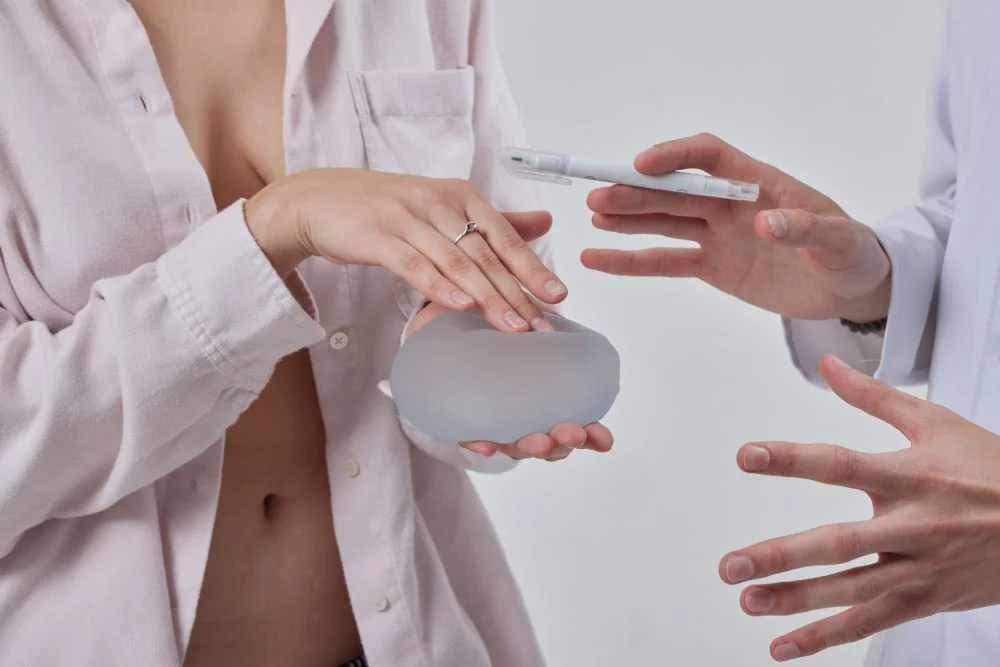
Breast augmentation is an in-demand, popular, and common cosmetic surgery performed worldwide, helping people achieve their desired breast size and shape. However, one aspect of breast augmentation surgery that often confuses patients is the “drop and fluff” process. Understanding how long it takes for breast implants to drop and what you can expect during recovery is mega important for anyone considering or recovering from breast augmentation surgery. So, let’s learn today in this informative blog about how long it takes for breast implants to drop.
What Does It Mean for Breast Implants to “Drop & Fluff”?
Before knowing the timeline, let’s clarify what the “drop and fluff” process is. After breast augmentation surgery, your implants may initially appear higher on your chest, and your breasts might look less natural and firm than expected. Don’t worry, as this is completely normal.
As time passes, the implants gradually settle into a more natural position, and the surrounding tissues get soft and adapt to the new shape. This process is commonly called “fluffing” and “dropping”. Let’s explore this more and know the difference between the two.
What is Dropping?
Dropping refers to the downward movement of the breast implants into the natural breast tissue pocket created during the breast surgery. At first, the implants sit higher because the tight muscles and skin are adjusting to their new size and shape.
What is Fluffing?
Fluffing, on the other hand, is different. As the breast implant drops, the breast tissue and skin stretch, allowing the implants to “fluff” out, giving the breasts a more natural appearance. This is when the implants take on their final shape and size.
How Long Does It Take for Breast Implants to Drop?
The timeline for breast implants to drop and fluff generally varies from patient to patient, depending on factors like the patient’s unique anatomy, implant placement, and the type of implant. However, most breast augmentation patients can expect the process to take from 3 to 6 months. Let’s shed more light on how long it takes for breast implants to drop.
The Immediate Postoperative Period (Week 1-2)
In the first few weeks after breast surgery is done, your implants will likely sit high on your chest, and your breasts may feel firm and a bit tight. This is due to swelling and the natural response of your skin and muscles to the implants. You may also experience discomfort during this phase of surgery, but this is completely normal, and you don’t have to worry about this as your body adjusts to the implants.
You must carefully follow your plastic surgeon’s post-operative care instructions during this time. Also, avoid sleeping on your stomach, heavy lifting, and strenuous activities to ensure proper healing. Your cosmetic or plastic surgeon may also recommend wearing a supportive surgical bra to help with positioning and swelling.
The Initial Drop (Week 3-6)
By Week 3-6, you may notice some changes in the position of the implants. The swelling reduces, and the implants gradually move downward into the breast pocket. However, there is a possibility that they might still appear slightly high and also firm at this stage. This is especially true for larger implants or those placed under the muscle.
In this case, you should be patient during this period. The drop and fluff process is slow and gradual; rushing your recovery can lead to risks or complications. Trust the process, stay calm, and remember that your body needs time to adjust. If you still feel uncomfortable or worried, discuss with your plastic surgeon everything in detail.
The Fluffing Begins (Month 2-3)
Around the second or third month after the breast surgery, you’ll likely see more noticeable changes in your breast shape. The implants will continue to drop, and the surrounding breast tissue will start to fluff out, which is part of the process. This is the point when your breasts will begin to take on a natural shape and appearance and feel softer to the touch.
And if you have textured implants, the drop and fluff process may take longer than smooth implants. Textured implants adhere slightly to the surrounding tissue, slowing their movement.
However, they can still provide a long-term position, a more stable one, especially for patients with less natural breast tissue. It’s necessary to mention again that recovery is gradual and slow, so you have to be calm and patient and follow what your surgeon tells you.
The Final Stages of Settling (Months 4-6)
Around four to six months after getting breast implants, they should have settled into their final shape and position, making your breasts look and feel more natural and balanced. It might take up to a year for them to fully settle for some people, especially if they have larger implants or tight skin. If one breast looks different from the other, there’s no need to worry at all– it’s normal for implants to settle at different rates.
Important Factors that Influence the Drop and Fluff Process
Several factors influence how quickly and smoothly your breast implants settle: here is a list of those factors that you must keep in mind.
- Patient’s anatomy
- Skin tightness
- Type of implants
- Implant placement
- Size of implants
What Can You Do to Aid the Drop and Fluff Process?
While the drop and fluff process depends on your body’s natural healing response, there are a few things you can do to support a safe and smooth recovery:
Gentle Massage
Some board-certified plastic surgeons recommend gentle breast massages to help implants settle more quickly. However, this should only be done if your surgeon advises it.
Stay Hydrated & Eat Healthy
Proper hydration and consuming a well-balanced diet support your body’s healing process. Nutrients play a super significant role in skin and tissue repair. Eat and drink healthy, and yes, also avoid smoking and consuming alcohol while you are recovering from breast surgery.
Be Patient & Relax
The most important thing you can do is be patient and calm. The breast implant drop and fluff process takes time, and every patient’s timeline is unique and different. Rushing the process of becoming too worried and anxious about the results too early can cause unnecessary stress. So relax.
Follow Post-Operation Instructions
Adhering to your plastic surgeon’s after-operative care guidelines is the game changer. This includes attending follow-up appointments, avoiding activities that could strain your healing breasts, and also wearing the recommended support garment.
When Should You Consult Your Doctor or Plastic Surgeon?
It’s completely normal for the drop and fluff process to vary, but there are certain signs that may be a signal for a consultation with your surgeon: keep in mind the following :
- If one breast implant drops more than the other and doesn’t seem to be catching up, you must discuss it with your surgeon.
- If you notice hard lumps or your breasts remain excessively firm, this could be a sign of a complication that may require medical attention.
- While some discomfort is expected, persistent or severe pain should not be ignored.
Conclusion
It’s important to understand how long it takes for breast implants to settle and soften after the breast surgery. This process may take some time, but the final results are definitely worth it.
Your breasts will gradually look and feel more balanced and more natural, allowing you to fully enjoy the benefits of your breast enhancement. It’s also important to remember that every person’s experience is different. By following your surgeon’s advice after surgery and being patient, you can ensure an easy recovery and beautiful, natural-looking results.
Contact Dr. Jim Brantner for the Best Cosmetic Surgery
If you are considering breast surgery and seeking experienced and skilled plastic surgeons, reach out to Dr. Jim N. Brantner today. We are Johnson City Cosmetic Surgeons and Reconstructive & Plastic Surgery Specialists and strive to provide people with amazing results and full satisfaction.
You can read the reviews of our satisfied clients to gain more confidence in our expertise. With years of experience in the field, we ensure that you will achieve the results you desire.
Apart from breast surgeries, we also specialize in facial rejuvenation, body lifts, tummy tucks, liposuction, advanced anti-aging solutions, skincare treatments, laser-based rejuvenation treatments, Sculpsure, Rhinoplasty, mommy makeover, Botox, neck and facelifts, laser therapies, and more. Contact us today to schedule a consultation.

Dec 31, 2024 | Uncategorized
The New Year is a time for fresh starts and positive change. For many people, it’s also the best moment to take steps toward boosting self-confidence and addressing concerns about their appearance or nasal function. If you’ve been considering rhinoplasty—whether for functional or cosmetic reasons—there’s no better time than the New Year to make it happen. Here’s why this season is perfect for scheduling your nose surgery.
You Have Time to Plan Your Rhinoplasty Procedure
The start of the year comes at a slower pace. The hustle and bustle of the New Year holiday season is behind you, and many of you will find yourself with more downtime. This extra breathing room makes it easier to plan your rhinoplasty surgery. Whether scheduling consultations with cosmetic surgeons or finding time for pre-surgery preparations, January provides the perfect window to organize everything without the stress of the holidays looming.
Take advantage of this time to:
Winter Is Great for Recovery
One of the best-kept secrets about scheduling plastic surgery in the winter is how the season aligns with the recovery process. Rhinoplasty requires some downtime, whether it’s a reconstructive procedure, nose reshaping surgery, or revision rhinoplasty. Here’s why winter works so well:
- The cooler temperatures make it easier to stay indoors and cozy while you recover.
- Hats, scarves, and masks help conceal swelling and nasal packing while you heal.
- The sun’s harmful rays can interfere with your healing process and cause discoloration.
- Winter’s shorter days reduce your risk of overexposure.
Start Your Year with Renewed Confidence
There’s something great about tackling a New Year’s resolution head-on; improving your self-image is surely the most impactful way to build confidence. For those self-conscious about their nose’s shape, rhinoplasty offers life-changing benefits. Nose reshaping surgery can fix aesthetic concerns like asymmetry or nasal bones, while functional rhinoplasty can correct issues like a deviated nasal septum or nasal airway obstruction.
By scheduling your rhinoplasty nasal surgery around the new year time, you’re giving yourself the gift of transformation and starting the year on a high note.
Maximize Vacation Time
Many people take time off work around the New Year holidays and may still have some unused vacation days. Scheduling your nose job early in the year allows you to use these vacations to recover without dipping too deeply into your PTO. Also, many workplaces slow down in January, making it easier to step away without disrupting major responsibilities or projects.
Be Ready for Spring & Summer
Another major reason to schedule your rhinoplasty procedure during the New Year is that it ensures you’ll be fully recovered by spring. Most patients see a noticeable improvement in swelling within 4 to 6 weeks. However, final results can take up to a year. By acting now, you’ll be confident in your new look and able to enjoy special events, warmer weather, and vacations.
Address Functional & Aesthetic Concerns Together
The New Year offers an excellent opportunity to tackle aesthetic and functional concerns simultaneously. Many rhinoplasty surgeons specialize in combining functional and cosmetic procedures. For example:
- Deviated Septum Repair
- Reconstructive Surgery
- Revision Rhinoplasty (also known as revision surgery)
Take Advantage of Flexible Schedules with Plastic Surgeons
January sees fewer people scheduling common plastic surgery procedures, making it super easy to secure the consultation and surgery dates you want. Be it cosmetic nose reshaping or reconstructive surgery, starting early in the year ensures you’ll have options to choose the best rhinoplasty surgeons and plan your procedure at your convenience. The new year is around the corner, so don’t wait; schedule that appointment right now!
Insurance & Financial Planning
The New Year often aligns with new insurance plans or renewed benefits. If your rhinoplasty surgery involves correcting functional issues like a deviated septum, your insurance plan may cover part of the procedure. This is an excellent time to:
- Check your insurance coverage.
- Use flexible spending accounts (FSAs)
- Use health savings accounts (HSAs) for eligible expenses.
- Plan your budget without any hurry for any out-of-pocket costs for cosmetic rhinoplasty.
What to Expect During Rhinoplasty Recovery?
Whether performed under local or general anesthesia, recovery from a rhinoplasty procedure requires care and patience. Here’s a general timeline to help you plan:
First Week
Expect possible bruising, nasal packing, and sand welling. Avoid strenuous activities.
Second Week
Most visible swelling and bruising subside, and you can return to work or school.
Months Ahead
Subtle swelling continues to diminish, and final results begin to take shape.
Choosing the Right Rhinoplasty Surgeons
Your rhinoplasty surgery’s success depends on your plastic surgeon’s experience, skill, and expertise. When selecting a surgeon, look for:
- Board certification in plastic or cosmetic surgery.
- Experience with revision rhinoplasty, functional rhinoplasty, and cosmetic rhinoplasty.
- Positive patient reviews, testimonials, GBP reviews, and before-and-after photos.
Consulting with an experienced plastic surgeon ensures you’ll get a natural-looking outcome that aligns with your goals.
Conclusion
The New Year represents a fantastic opportunity for transformation, and scheduling a rhinoplasty is the best way to embrace that change. Whether you’re addressing cosmetic concerns, functional issues, or both, starting the process now ensures you’ll be ready to face the new year with renewed self-assurance.
From fixing nasal bones and cartilage to correcting a deviated septum or undergoing secondary rhinoplasty, the possibilities are endless with today’s advanced rhinoplasty techniques and tools. So why wait? Step toward a better you by consulting top rhinoplasty surgeons and taking the first step toward achieving your dream nose this New Year.
Call Jim Brantner, M.D., for an Expert Rhinoplasty Procedure.
If you’re scoping out an experienced, top-notch plastic surgeon around Johnson City, Tennessee, visit Jim Brantner, M.D., and his team! We’ve covered all your cosmetic needs, from facial rejuvenation and body lifts to tummy tucks, liposuction, and anti-aging treatments.
Whether you’re thinking about a little Botox, rhinoplasty, or ready for a complete mommy makeover, this is your plastic surgery facility. Don’t wait—call our rhinoplasty expert TODAY, and let’s get you looking and feeling like a million bucks!

May 16, 2022 | Uncategorized, Mommy Makeover
It seems like every day there’s a new “mommy makeover” trend popping up on social media. From Botox to boob jobs, it can be hard to decide what, if any, procedures are right for you. Luckily, we’ve got the low-down on how to plan out your own mommy makeover, so you can achieve the results you’re looking for without breaking the bank.
Every mother’s journey is different, so it’s important to do your research before deciding on any particular procedures. The first step is identifying your goals. Whether you want to regain your pre-pregnancy body or simply refresh your appearance, be sure to realistic about what you can expect from a mommy makeover.
What is a Mommy Makeover Surgery?
A mommy makeover is a combination of procedures that are performed together to help a mother regain her pre-pregnancy body. The most common procedures included in a mommy makeover are breast augmentation, breast lift, tummy tuck, and liposuction.
How to Choose a Surgeon For Your Mommy Makeover?
When choosing a surgeon for your mommy makeover, it’s important to look for board certified plastic surgeons who are experienced in performing the procedures you’re interested in. Be sure to ask about their training and experience, as well as how often they perform mommy makeovers. It’s also a good idea to look at before and after photos of their previous patients.
What are the Risks of Mommy Makeover Surgery?
As with any surgery, there are always risks involved. The most common risks associated with mommy makeover surgery include infection, bleeding, and blood clots. There is also a risk of developing capsular contracture, which is when the scar tissue around the implants hardens and squeezes the implants.
How Much Does a Mommy Makeover Cost?
The cost of a mommy makeover can vary depending on the procedures you choose to have done. The average cost of a mommy makeover is between $5,000 and $10,000. However, if you choose to have multiple procedures done, the cost can increase.
How to Prepare for Mommy Makeover Surgery?
Before having mommy makeover surgery, it’s important to consult with your surgeon to ensure that you are a good candidate for the procedures you want to have done. You should also be prepared for a lengthy recovery period, as most mommy makeovers require several weeks of downtime.
Mommy Makeover Recovery Time
The recovery time for a mommy makeover can vary depending on the procedures you have done. However, most women can expect to take 4-6 weeks off from work and other activities. During this time, it’s important to rest and avoid strenuous activity. You should also avoid lifting anything heavier than 10 pounds.
When Will I see Results From My Mommy Makeover?
Most women will see a noticeable difference in their appearance immediately after surgery. However, it can take up to several months for the full results of your mommy makeover to be visible.
Tummy Tuck & Liposuction Are Critical Components
A mommy makeover is not complete without a tummy tuck and liposuction. By combining these two popular procedures, you can achieve amazing results.
A tummy tuck will remove excess skin and fat from the stomach area, while liposuction will help to contour the body and give you a more sculpted look.
The Benefits of a Mommy Makeover
If you’re considering a mommy makeover, breast implants are a great way to achieve the results you want. Breast implants can help to restore volume and shape to the breasts, giving you a more youthful appearance.
Implants come in a variety of sizes, so it’s important to consult with your surgeon first. There are many benefits to having a mommy makeover, including:
• Improve Your Self-Confidence
Self-confidence is one of the most important things a mother can have. After having children, many women feel self-conscious about their bodies. A mommy makeover can help you regain your confidence and feel better about yourself.
• Regain your pre-pregnancy body
With a mommy makeover, you can say goodbye to your post-pregnancy body and regain your pre-pregnancy figure. With the help of a skilled surgeon, you can achieve the body you’ve been dreaming of.
• Refresh your appearance
A mommy makeover can also help you refresh your appearance and look younger. With the combination of procedures, you can achieve amazing results that will leave you looking and feeling your best.
• Boost Your Energy Levels
After having a mommy makeover, you’ll have more energy to take care of your family and enjoy your life. With your new body, you’ll feel like you can take on the world. With the help of a mommy makeover, you can achieve the body and life you’ve always wanted.
• Feel Better About Yourself
A mommy makeover can help you feel better about yourself and your post-pregnancy body. With the help of a skilled surgeon, you can achieve amazing results that will leave you feeling confident and beautiful.
• Get Back To Your Pre-Pregnancy Activities
With a mommy makeover, you can get back to your pre-pregnancy activities and enjoy your life. You can finally say goodbye to your post-pregnancy body and get back to the things you love. women feel self-conscious about their bodies. A mommy makeover can help you regain your confidence and feel better about yourself.
Potential Side Effects of Mommy Makeover Surgery
Mommy makeover surgery is a major operation and, as with any surgery, there are potential risks and side effects. Some of the potential side effects of mommy makeover surgery include:
- Bleeding
- Infection
- Swelling
- Bruising
- Pain
- Numbness
- Scarring
In most cases, the side effects of mommy makeover surgery are minor and temporary. However, it’s important to talk to your surgeon about the potential risks and side effects before having surgery.
The Bottom Line
A mommy makeover can help you regain your pre-pregnancy body and improve your self-confidence. However, it’s important to talk to your surgeon about the potential risks and side effects before having surgery. With the help of a skilled surgeon, you can achieve amazing results that will leave you feeling confident and beautiful.
Dr. Jim Brantner provides Mommy Makeover Surgery, Liposuction, Tummy Tuck, Breast Augmentation and other plastic surgery procedures . He is a board certified plastic surgeon and his private practice is dedicated to helping patients achieve their desired results. To learn more about Mommy Makeover surgery or to schedule a consultation, contact Dr. Brantner today.
